
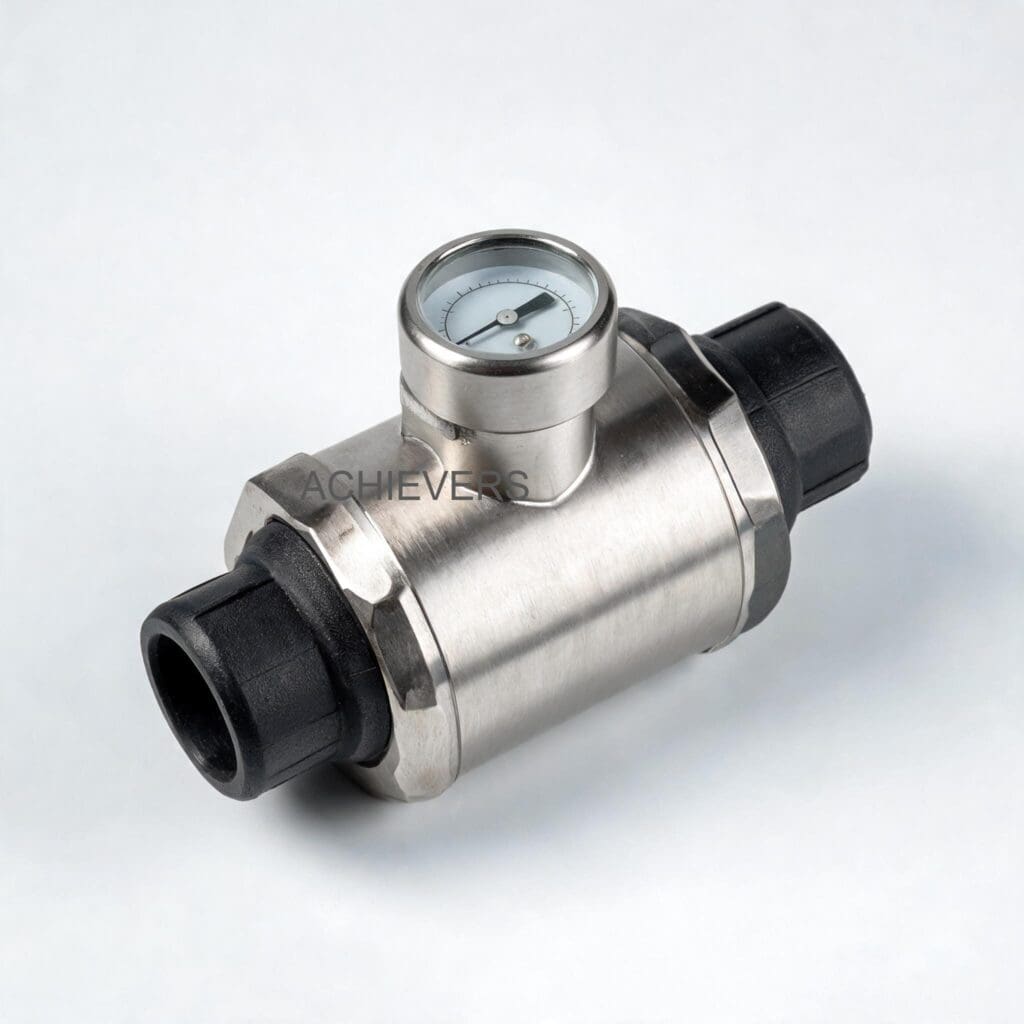
You are upgrading your plant’s fuel infrastructure. You know you need an तेल प्रवाह मीटर to track consumption, stop pilferage, and manage inventory. But when you look at the specs, you hit a wall: Analog mechanical dial? Local digital LCD? Or a Pulse/Modbus output wired straight to your PLC?
Make the wrong choice here, and you are either replacing fried electronics after the first monsoon, losing data during a power dip, or paying your technicians to walk around with clipboards manually recording dials in 2024.
This guide strips away the marketing fluff. We are comparing oil flow meter analog vs digital vs pulse output options specifically for Indian industrial environments—where furnace oil gets thick, voltage fluctuates, and dust is a daily reality. Read this before you buy an oil flow meter for boiler fuel oil line upgrades or generator skids.
Quick Reference: Selecting Your Output
- Analog Dial: Best for completely off-grid sites, high-vibration areas, and simple manual logging. Bulletproof but dumb.
- Digital Display (Local LCD): Best for batching, visual operator feedback, and precise local audits. Requires battery replacements or stable local 24VDC.
- Pulse / RS485 Modbus: The only choice for DCS/SCADA integration, automated dosing, and centralized control rooms.
1. Overview of the Oil Flow Meter Family
Before arguing over displays, you must understand the measurement engine. For industrial lube oils, heavy base oils, and furnace oils (FO), turbine meters fail. You need positive displacement—specifically, the Oval Gear mechanism.
एक तेल प्रवाह मीटर utilizing oval gear technology traps a precise volume of fluid between two rotating gears. Because it counts distinct pockets of liquid, it ignores pressure drops and easily handles the high viscosity of Indian furnace oils heated up to 150°C. Once the physical gears turn, how that rotation translates into data is where your three options come in.
- Analog/Mechanical Dial: A direct gear train connects the internal oval gears to a mechanical counter on top. No electricity required.
- Digital Display: A magnetic pickup senses the gear rotation and displays the flow rate and totalized volume on a local LCD screen.
- Pulse/4-20mA/RS485 Output: The meter generates raw electronic signals (pulses per liter or a continuous 4-20mA loop) and sends them via cable to a remote PLC. The meter itself may or may not have a screen.
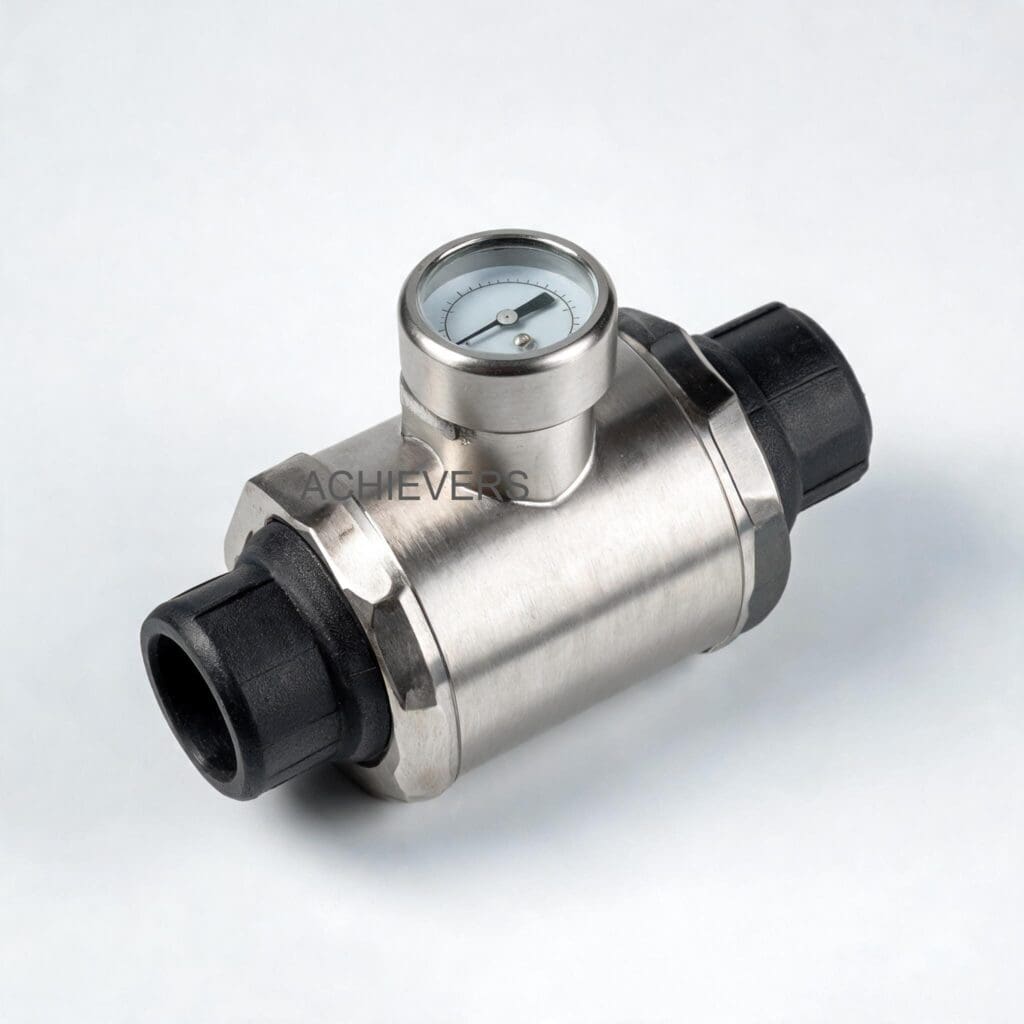
2. विशिष्टताओं की आमने-सामने तुलना
When comparing an oil flow meter supplier specifications comparison, you need to know exactly what is standardized across the base unit and what changes based on the readout head. All data below reflects standard high-quality aluminum alloy oval gear meters.
| विशेषताएँ / विनिर्देश | Analog Mechanical Dial | Digital LCD Display | Pulse / 4-20mA / RS485 Modbus |
| :— | :— | :— | :— |
| प्रवाह सीमा | 1.0 LPH to 24000 LPH | 1.0 LPH to 24000 LPH | 1.0 LPH to 24000 LPH |
| लाइन साइज़ अनुकूलता | 1/4" to 6" (006mm – 150mm) | 1/4" to 6" (006mm – 150mm) | 1/4" to 6" (006mm – 150mm) |
| Base Accuracy | +/- 0.5% | +/- 0.5% | +/- 0.5% |
| repeatability | 0.02% | 0.02% | 0.02% |
| अधिकतम तापमान | Up to 150°C (Furnace Oil) | Max 80°C (LCD limit) | Up to 150°C (Remote electronics) |
| Power Requirement | None (Mechanical) | Battery or 24VDC | 24VDC / 230VAC |
| Data Auditability | Manual logging only | Local history / resettable | Full digital audit trail via SCADA |
| Register Head Rotation | Yes, 90º intervals | Yes, 90º intervals | N/A (Blind transmitter option) |
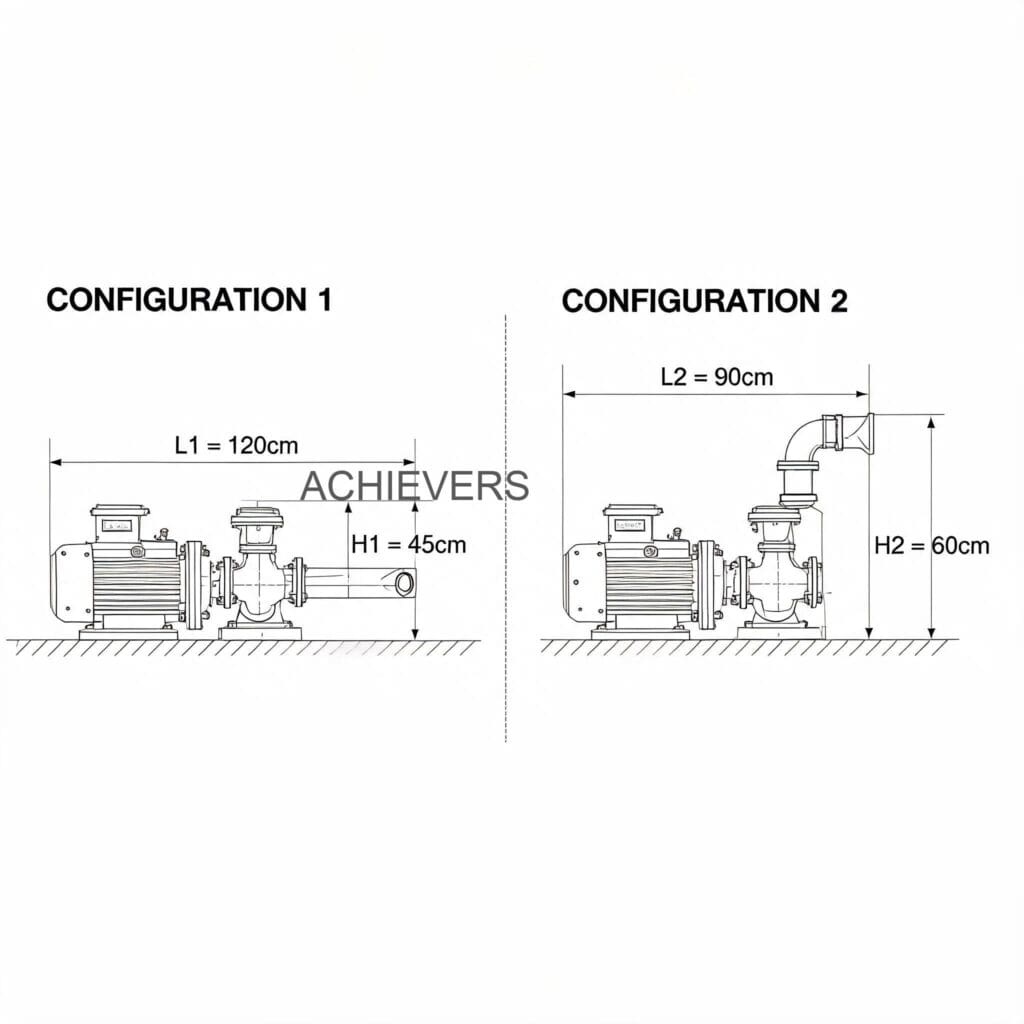
3. अनुप्रयोग तुलना तालिका
Indian site conditions destroy under-specified equipment. You cannot install a delicate digital screen next to a vibrating 10-ton Thermax boiler, nor can you rely on analog dials when the Legal Metrology Act requires strict digital records for tax audits. Match your application to the hardware.
| अनुप्रयोग परिदृश्य | अनुशंसित विकल्प | इंजीनियरिंग कारण |
| :— | :— | :— |
| High Viscosity Furnace Oil (up to 150°C) | Analog or Blind Pulse | High radiant heat will melt or blacken local LCD screens. Keep electronics remote. |
| Automated Boiler Feed Line | Pulse / 4-20mA | Direct integration into the burner management system (BMS) for precise air-fuel ratio control. |
| Mobile Tanker Offloading | Digital LCD | Operator needs immediate, clear batch totals. Rotatable head allows reading from any angle. |
| Remote DG Set Monitoring | RS485 Modbus | Transmits total fuel consumed to the central BMS without running hundreds of meters of analog wire. |
| Hazardous Area (Zone 1/2) | Pulse (Intrinsically Safe) | Easier to wire through Zener barriers than certifying complex local digital enclosures. |
| Corrosive / Washdown Areas | Analog Mechanical | No electronic boards to short out during heavy monsoon rains or aggressive plant washdowns. |
| High Accuracy Lube Mixing | Digital with Pulse | Operator can verify the local screen while the PLC controls the dosing valves simultaneously. |
| Gravity-Fed Low Pressure Lines | Any Option | Oval gear provides low pressure drop regardless of the display head mounted on top. |
Red Flag Warning:
Do not run standard Pulse output cables alongside high-voltage VFD motor cables. Electromagnetic interference (EMI) will induce false pulses. Your PLC will record thousands of liters of "phantom" flow. Always use shielded twisted-pair cables for pulse and 4-20mA signals, and ground the shield at the PLC end only.
4. कुल लागत तुलना
Procurement teams often look only at the capital expenditure (CAPEX). Site operators know the operating expenditure (OPEX) is where the real costs hide. Here is a realistic look at the total cost of ownership over a 5-year lifecycle.
| Meter Output Type | Initial Purchase Range (INR) | वार्षिक रखरखाव पर ध्यान केंद्रित करें | Expected Lifespan | Best ROI For |
| :— | :— | :— | :— | :— |
| Analog Dial | ₹25,000 – ₹60,000 | Gear lubrication, dial calibration | 10+ Years | Independent standalone machines, dusty mining sites. |
| Digital LCD | ₹35,000 – ₹85,000 | Battery replacement, PCB inspection | 5-7 वर्ष | Mobile bowsers, ईंधन प्रवाह मीटर skids, localized batching. |
| Pulse/Modbus | ₹45,000 – ₹1,20,000+ | Cable integrity, PLC loop calibration | 7-10 वर्ष | Heavy industry, centralized tank farms, power plants. |
5. निर्णय मार्गदर्शिका: आपके पौधे के लिए कौन सा उपयुक्त है?
Still unsure which configuration to order? Here are 8 real-world industrial scenarios. Find yours and spec your meter accordingly.
1. Boiler Fuel Oil Line (Heavy Furnace Oil)
Furnace oil must be heated (often up to 150°C) to flow. Local digital screens fail under continuous radiant heat.
सिफारिश: Use a blind Pulse output meter. The raw oval gears handle the heat and thick viscosity, while the electronic signal is sent safely to a remote control room.
2. Distributed Diesel Generator (DG) Sets
If you manage a campus with 15 different DG sets, sending a technician to manually read 15 analog dials daily is a waste of labor and invites "ghost" readings.
सिफारिश: RS485 Modbus. You can daisy-chain multiple meters onto a single communication cable back to your central SCADA.
3. Edible Oil Processing (Vegetable / Cooking Oil)
Food processing requires frequent washdowns with caustic chemicals.
सिफारिश: IP67 Digital LCD or Analog. Ensure the meter body is constructed of appropriate materials (often Stainless Steel, though aluminum is suitable for non-corrosive mineral oils) and rely on local digital batching to measure precise volumes into mixing vats.
4. Remote Mining Construction Sites
Your diesel bowser is operating in heavy dust, extreme heat, and high vibration. Power is erratic.
सिफारिश: Analog Mechanical. It requires zero power. The step-less calibration system ensures accuracy even when battered by rough terrain.
5. Lube Oil Blending Plants
You are mixing heavy base oils with viscous additives. Accuracy is paramount because additive costs are incredibly high.
सिफारिश: Digital LCD with Analog 4-20mA output. The operator needs a local screen to verify the run, while the 4-20mA loop provides real-time flow rate feedback to the automated proportioning valves.
6. Marine Engineering / Ship Engine Rooms
Space is cramped, vibrations are constant, and the environment is highly corrosive.
सिफारिश: Analog Dial. The robust construction ignores the harsh engine room vibrations, and you never have to worry about a power failure erasing your daily consumption logs.
7. Aviation Refueling Vehicles
Fuel must be metered perfectly, and operators need instant visual confirmation.
सिफारिश: Digital LCD with automatic additive injector control. The electronic register can be easily removed and rotated to 90º orientations, allowing the operator to read the display regardless of how the truck is parked.
8. Petrochemical Tanker Unloading
You are unloading 20,000 liters of base oil. You need a legally verifiable total to compare against the supplier's invoice.
सिफारिश: Digital LCD with Pulse output. The local display gives the truck driver a verified printout/reading, while the pulse output logs the exact receipt volume into your plant's SAP/ERP system to prevent short-changing.
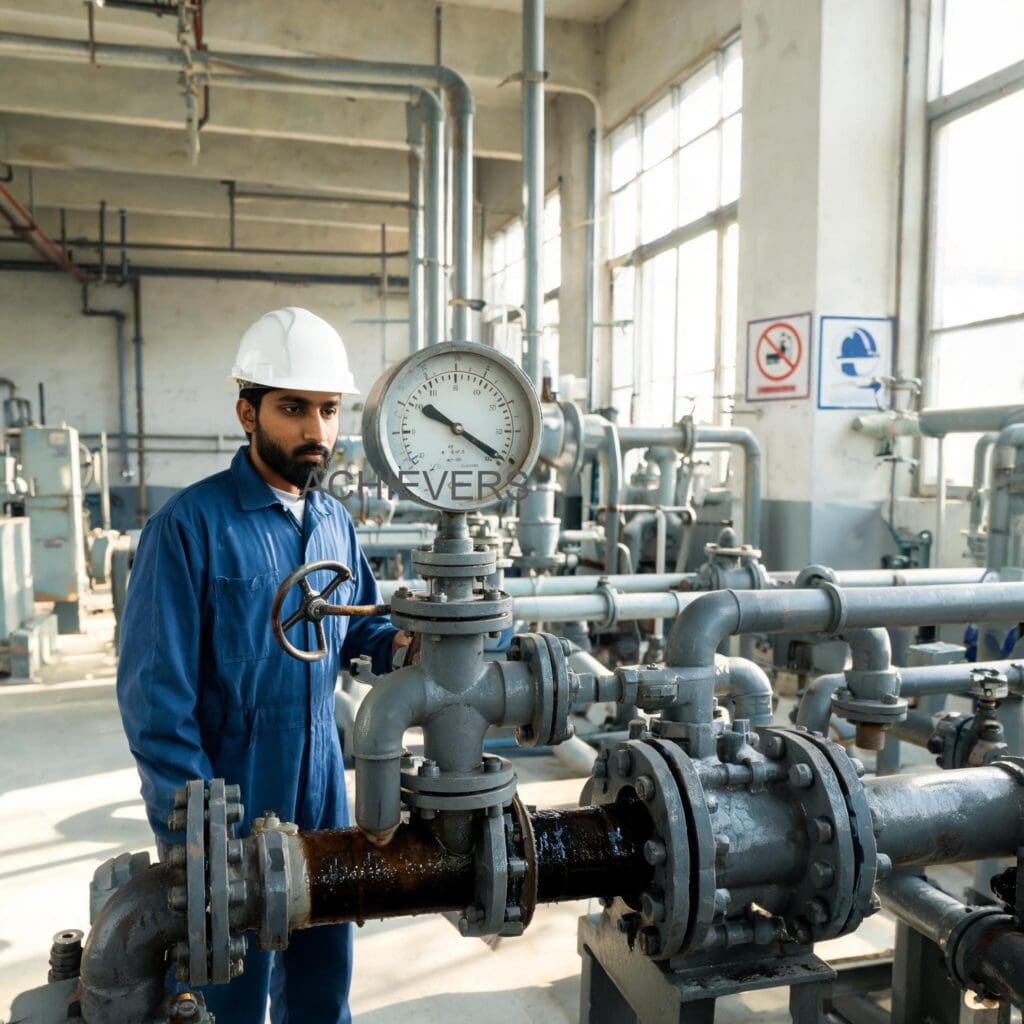
6-Step Standard Operating Procedure for Calibrating Digital & Pulse Meters
Indian industrial sites suffer from contaminated fuel and hard water ingress. Over time, internal wear or sludge build-up will cause the meter's accuracy to drift from its factory +/- 0.5% rating. Follow this procedure every 6 months to maintain accuracy on digital and pulse-output meters.
- Isolate the Line: Shut off upstream and downstream block valves. Ensure the line is depressurized.
- Clean the Integrated Strainer: Oval gear meters jam if solid debris enters the chamber. Remove the integrated mesh strainer, clean it with a suitable solvent, and blow it dry with compressed air. Reinstall.
- Prepare the Proving Tank: Place a certified, Legal Metrology-stamped proving tank (e.g., 200 Liters) at the discharge nozzle.
- Execute the Test Run: Flow exactly 200 Liters into the proving tank at your normal operating flow rate.
- Calculate the Error Factor: Compare the proving tank volume against the meter’s LCD reading or PLC pulse count.
- Formula: ((Meter Reading – Tank Volume) / Tank Volume) x 100 = % Error.
- Adjust the K-Factor: Access the digital register's calibration menu (or the PLC scaling block). Adjust the K-factor (pulses per liter) by the error percentage to realign the step-less calibration system. Run a second test to verify +/- 0.1% repeatability.
अक्सर पूछे जाने वाले प्रश्न
Q: Can a digital oil flow meter survive Indian summer temperatures?
A: Standard LCD screens will begin to black out if ambient or fluid temperatures exceed 70°C-80°C. If you are pumping heated furnace oil (up to 150°C), you must specify a high-temperature blind meter with a remote pulse transmitter, keeping the electronics away from the heat source.
Q: Why is my PLC showing flow when the pump is turned off?
A: This is classic electromagnetic interference (EMI). If your pulse output cable is routed in the same cable tray as VFDs or heavy motor power cables, the electromagnetic noise induces false voltage spikes that the PLC counts as flow pulses. Reroute the cable or use properly grounded shielded twisted-pair wire.
Q: How often do I need to replace the battery in a digital local display?
A: High-quality digital registers use lithium batteries that typically last 2 to 4 years depending on the display's sleep settings and usage frequency. However, if your meter features a 4-20mA or Modbus output, it is usually loop-powered by the external 24VDC PLC supply, eliminating the need for battery replacements entirely.
Q: Will viscosity changes affect my analog meter's accuracy?
A: One of the major advantages of oval gear design is its immunity to viscosity fluctuations. Whether your lube oil is cold and thick in the morning or hot and thin in the afternoon, the mechanical gears trap the exact same volume. Accuracy remains consistent at +/- 0.5%.
Q: What happens if the power fails during a batch transfer?
A: Analog meters are unaffected. Pure digital LCDs with internal batteries retain all data. However, if you are relying strictly on a pulse output to a PLC, and the PLC loses power without an UPS, the pulses generated during the blackout will be permanently lost.
Q: Do I need a straight pipe run before installing an oval gear meter?
A: No. Unlike turbine or ultrasonic flow meters, positive displacement oval gear meters are not affected by external flow profile distortions. You can install elbows or valves immediately upstream of the meter without degrading the +/- 0.5% accuracy.
Q: How does the Modbus output benefit large tank farms?
A: An RS485 Serial Modbus output allows you to daisy-chain up to 32 flow meters on a single 2-wire cable. Instead of running 32 individual pairs of analog cables back to the control room, you run one network cable. It provides flow rate, total volume, and diagnostic data directly to your SCADA system.
Stop guessing your fuel consumption and stop replacing fragile meters that aren't built for your site conditions. Whether you need the rugged simplicity of a mechanical dial for a mining site, or a high-temperature Modbus-enabled meter for your boiler feed line, we have the exact specification you need. Contact Chintan Engineers today at sales@chintanengineers.in or call +91-9574992851 with your fluid type, flow rate, and line size—we will engineer the right dispensing solution for your plant.