
Steel plants in India operate on razor-thin margins where every drop of fuel counts. Whether you are running ladle preheaters, reheating furnaces, or operating a bank of heavy-duty DG sets for continuous power during grid fluctuations, unmonitored fuel lines are a massive financial blind spot. Relying on dipstick measurements in day tanks or theoretical consumption calculations based on operating hours is no longer acceptable. A 2% variance in a plant consuming 10,000 liters of High-Speed Diesel (HSD) or Light Diesel Oil (LDO) daily translates to a loss of lakhs of rupees monthly due to pilferage, inefficient burner performance, or undetected pipeline leaks.
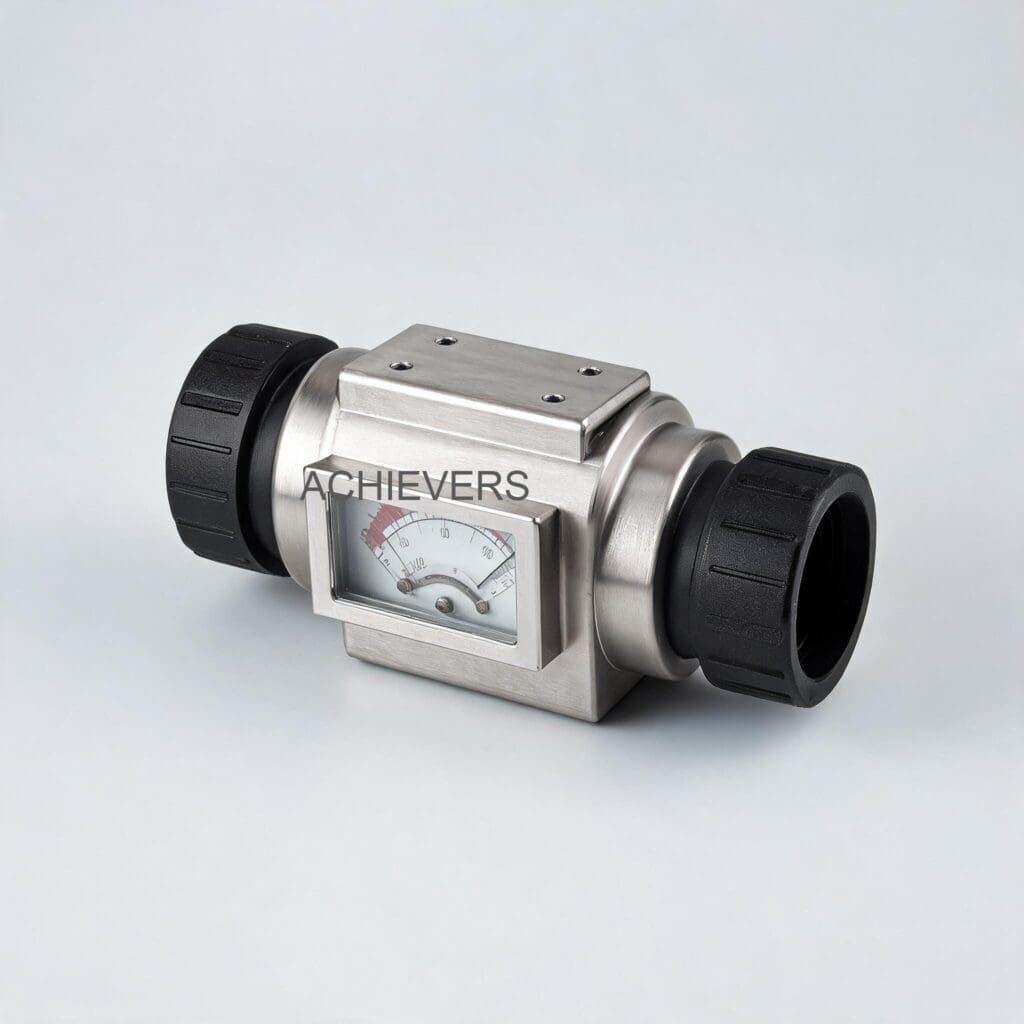
To stop leakage, reconcile bulk receipts against actual consumption, and pinpoint abnormal burn rates, you need a highly accurate, vibration-resistant measurement solution. Generic commercial meters fail rapidly in the extreme conditions of a steel plant. You require an industrial-grade डीजल फ्लो मीटर engineered specifically for the heat, abrasive dust, and continuous operational demands of metallurgical environments. This guide breaks down exactly how and where to deploy metering across your plant to lock down fuel accountability.
Quick Reference: Steel Plant Fuel Metering Checklist
- Accuracy Target: Must be +/- 0.5% or better for meaningful reconciliation.
- श्यानता सीमा: Ensure capability between 8-5000 mPas (critical for plants switching between HSD, LDO, and Biodiesel blends).
- दाब मूल्यांकन: Verify line pressure does not exceed 50 psi (3.5 bar).
- Vibration Immunity: Essential for lines mounted near furnace blowers and massive DG engines.
- डेटा आउटपुट: 9×4 digit electronic counter for local shift readings, resettable for daily batching.
1. Industry Overview: The Fluid Challenge
Fluid handling in the Indian steel industry presents a unique set of harsh parameters. Fuel lines traverse long distances from bulk underground storage to elevated day tanks, and finally down to the combustion zones. Ambient temperatures near blast furnaces, electric arc furnaces (EAF), and ladle preheating stations easily exceed 50°C. Furthermore, the air is saturated with conductive iron dust and abrasive particulate matter that can compromise sensitive electronics.
Typical plants utilize HSD for critical backup generators and mobile equipment, while heavily relying on LDO for furnace applications due to its lower cost. However, LDO has variable viscosity depending on ambient temperature, especially during North Indian winters. A standard turbine meter will lose accuracy dramatically as fluid viscosity changes. Your measurement device must be independent of viscosity variations.
Furthermore, fuel contamination is a stark reality in Indian supply chains. Adulterated fuel, suspended rust from aging mild steel pipelines, and monsoon-related moisture ingress wreak havoc on precision internal components. The measurement device must feature highly strong, sturdy construction with a flawless finish to prevent internal scoring, while maintaining an accuracy of +/- 0.5% to ensure the shift-in-charge can accurately match the day tank drop to the actual burner output.
2. Product Capabilities Matched to Industry Needs
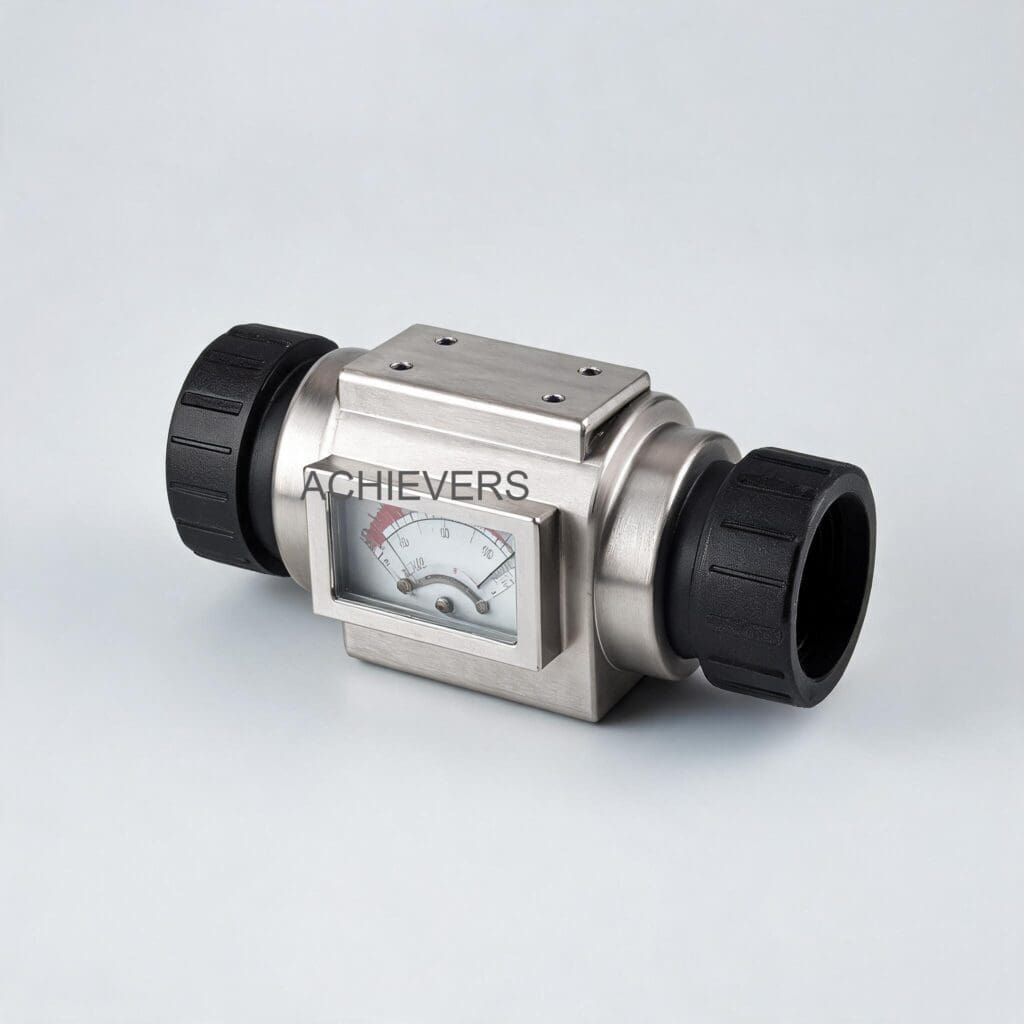
You cannot drop a standard petrol pump meter into a steel plant and expect it to survive. The डीजल फ्लो मीटर is purpose-built to bridge the gap between high accuracy and extreme industrial durability.
| Industry Requirement | Diesel Flow Meter Feature | How It Addresses the Need |
| :— | :— | :— |
| Varying Fuel Types (HSD/LDO/Biodiesel) | Viscosity independent (8-5000 mPas) | Maintains +/- 0.5% precision whether pumping thin summer HSD or thick winter LDO without recalibration. |
| High Vibration Environments | उच्च कंपन प्रतिरोध | Prevents false pulse counts and mechanical wear when installed near heavy DG sets or ladle preheater blowers. |
| Shift-wise Reconciliation | Resettable Counter & Ticket Printer option | Allows operators to print batch tickets per shift (Print Flow Meter With Ticket Printer variant) to stop internal pilferage. |
| Varying Pipeline Sizes | Accessible in 1/2" to 4" inch diameters | Scales from small 1/2" DG set return lines up to large 4" main furnace supply headers. |
| Low-Pressure Transfer Lines | Operating Pressures up to 50 psi / 3.5 bar | Perfectly matched for gravity-fed day tank lines and low-pressure circulation loops before the high-pressure burner pumps. |
| Data Visibility | 9×4 digit Electronic Counter | Provides clear Flow Rate Indication and Totalised Flow, unaffected by localized electrical noise. |
| Long-Term Capital Investment | Flawless finish & profoundly strong build | Ensures steady performance with minimum maintenance, delivering a longer operational life in corrosive environments. |
| Standardized Piping Connections | Flange Type variants available | Allows for rapid bolt-on installation and removal during annual plant maintenance shutdowns without cutting pipes. |
Red Flag Warning:
Never install a flow meter in a steel plant fuel line without a dedicated upstream Y-strainer (minimum 40-60 mesh). Rust scale from bulk tanks and particulate contamination in Indian diesel will jam the internal mechanisms, causing pressure spikes and flow restriction to your critical burners.
3. Typical Installation Scenarios in This Industry
Scenario A: Ladle Preheater Fuel Tracking
Ladle preheaters are notorious for untracked fuel consumption. Because they run intermittently—firing hard to bring a ladle to temperature, then throttling down to maintain it—generic meters struggle with the erratic flow profile.
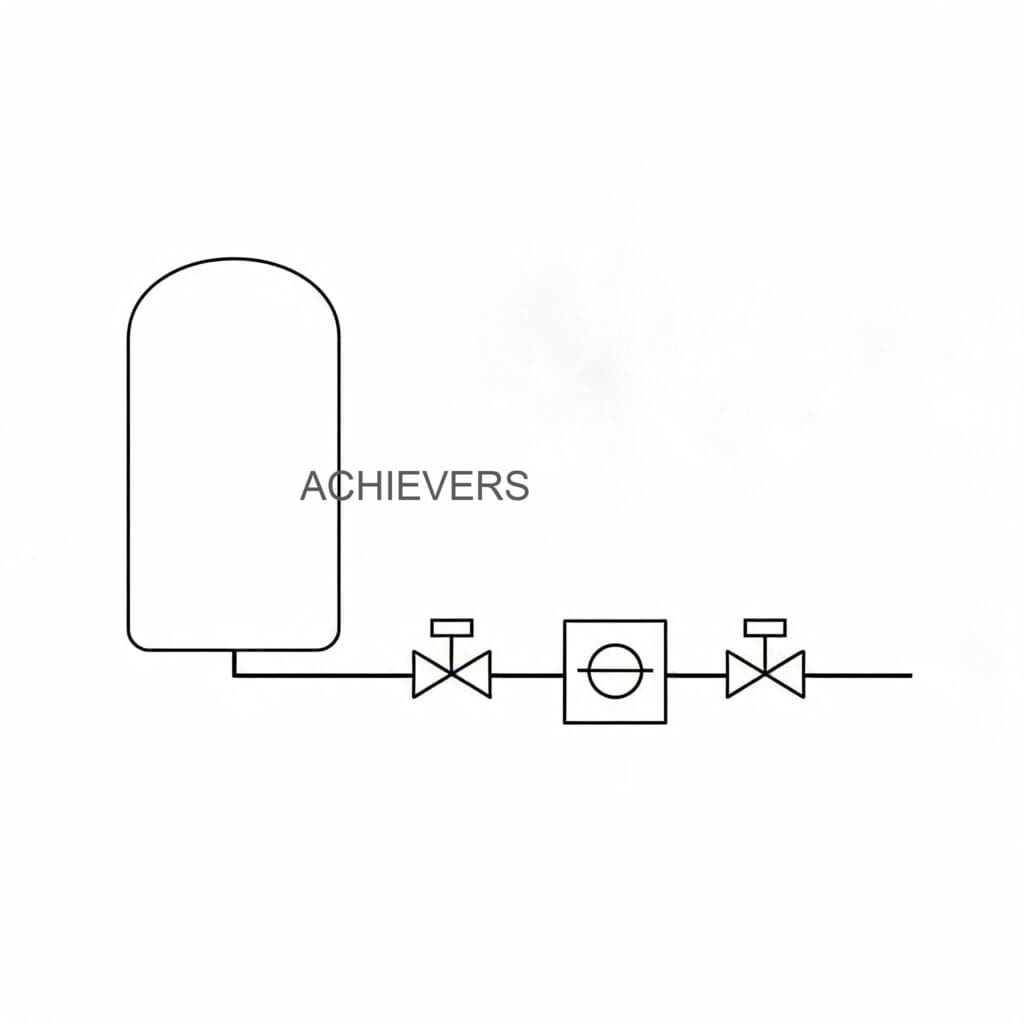
- Setup: Install a 1" or 1.5" डीजल फ्लो मीटर on the low-pressure supply line feeding the preheater manifold.
- विन्यास: Utilize the resettable counter. At the start of every shift, the operator resets the counter. At the end of the shift, the totalized flow is logged against the number of ladles processed.
- Key Settings: Ensure the meter is installed downstream of a pressure regulator to keep line pressure strictly below the 50 psi (3.5 bar) threshold before the fuel hits the high-pressure injection stage.
Scenario B: Backup DG Set Differential Metering
Steel plants rely on massive diesel generators (often 1000kVA to 2500kVA) to keep critical cooling water pumps and EAF controls running during grid failures. Modern DG engines do not burn all the fuel drawn by the transfer pump; a significant portion is returned to the day tank. Measuring only the supply line results in wildly inflated consumption data.
- Setup: Install two meters—one on the supply line and one on the return line.
- विन्यास: Use smaller 1/2" or 1" meters. The true fuel consumption is calculated as
Total Supply - Total Return = Actual Burn. - Key Settings: Because DG set skids vibrate violently, the "High Vibration Resistance" of this meter ensures the mechanical and electronic counters do not register phantom flow caused by engine resonance.
Scenario C: Reheating Furnace Main Supply Reconciliations
For a continuous reheating furnace, massive volumes of fuel are transferred from the underground storage to the main overhead day tank. This is where bulk discrepancies occur.
- Setup: Install a large 3" or 4" Flange Type meter at the inlet of the day tank.
- विन्यास: Utilize the Print Flow Meter with Ticket Printer functionality. When the transfer pump stops, a ticket is printed showing the exact volume transferred.
- Key Settings: This ticket is cross-referenced with the invoice from the bulk fuel supplier (IOCL, BPCL, etc.) to immediately identify short-deliveries or transit pilferage.
4. Compliance, Accuracy, and Certification Requirements
Operating industrial fuel lines in India requires adherence to strict safety and metrological standards.
- Legal Metrology Act (LMA): If you are using the meter to verify receipts from a third-party vendor or for internal billing between different corporate cost centers within a mega-plant, the meter's +/- 0.5% accuracy is crucial. It ensures you have the technical data to dispute short-deliveries with transport vendors.
- PESO (Petroleum and Explosives Safety Organization): While diesel is a Class B/C petroleum product, installations in hazardous zones (especially where fuel is stored in bulk) require sturdy construction and explosion-proof electrical ratings. The robust mechanical nature of these positive displacement and electronic meters ensures safe operation.
- BIS Standards: Indian ambient conditions mandate equipment that can handle severe temperature gradients. The robust design handles ambient temperatures seamlessly without the housing warping or seals degrading.
5. ROI and Operational Benefits
Investing in industrial-grade dispensing and metering solutions like a dedicated Fuel Dispenser for mobile equipment or static meters for furnaces yields an aggressive return on investment.
| Benefit Category | Typical Improvement | Indian Industry Context |
| :— | :— | :— |
| Pilferage Reduction | 1.5% to 3% drop in "missing" fuel | In a plant spending ₹50 Lakhs/month on diesel, stopping a 2% leak saves ₹1 Lakh monthly. |
| Burner Optimization | 5% to 10% increase in fuel efficiency | Correlating exact fuel flow with combustion air ratios helps engineers tune furnace burners accurately. |
| Inventory Holding Costs | Improved to 99.5% accuracy | Reconciling the 9×4 digit electronic counter against ERP software prevents emergency out-of-stock situations. |
| Maintenance Uptime | 40% fewer meter replacements | "Profoundly Strong" construction reduces the need to replace cheap, broken meters every quarter. |
6. Standard Operating Procedure: Installation and Commissioning
To achieve the stated +/- 0.5% accuracy, proper installation by your maintenance team is non-negotiable. Follow this strict procedure when installing the flow meter on a furnace or DG set line:
- Isolate the Line: Shut off all upstream supply valves and lock out/tag out (LOTO) the fuel transfer pumps. Drain the residual diesel from the pipeline segment into a safe secondary containment vessel.
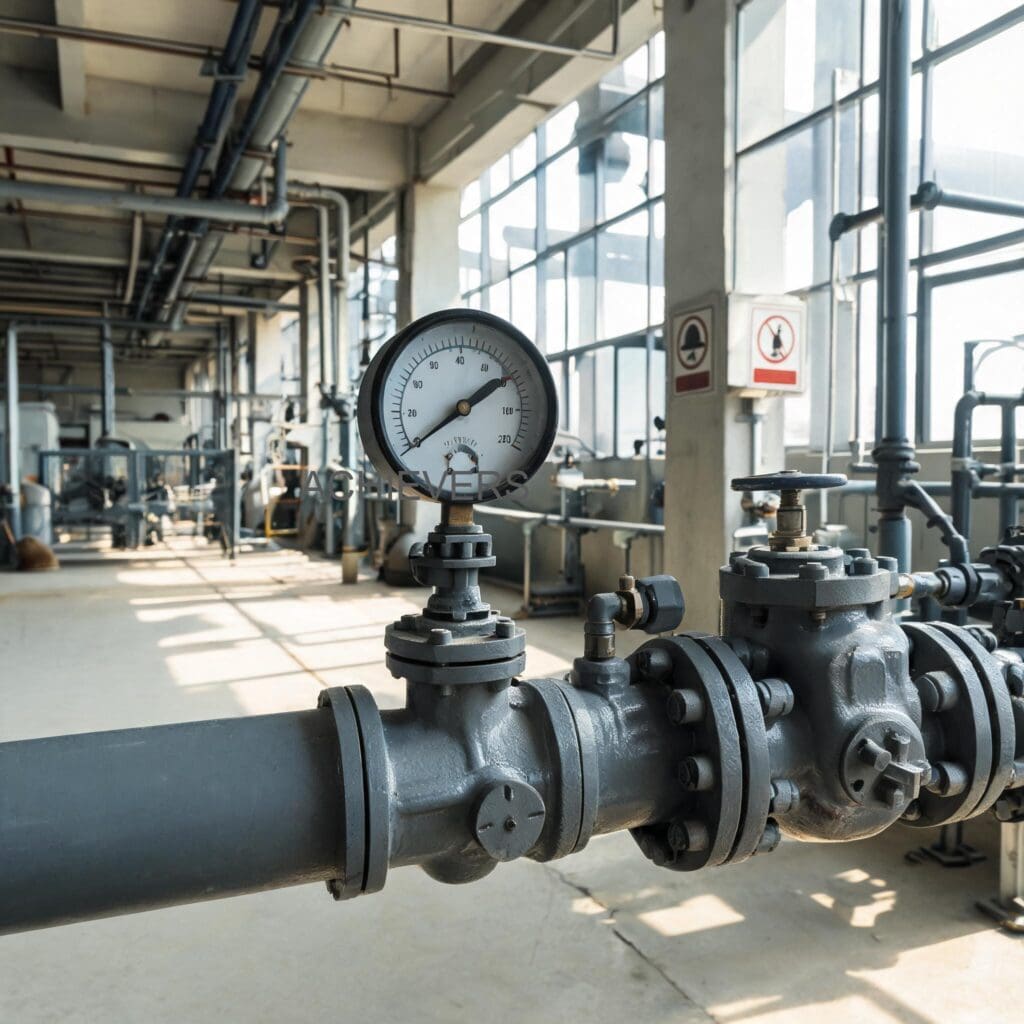
- Verify Line Pressure: Install a pressure gauge temporarily to confirm the operating pressure is well within the 50 psi (3.5 bar) limit of the meter. If pressure exceeds this, install a pressure reducing valve (PRV) upstream.
- Install the Y-Strainer: Cut the pipe and weld/thread in flanges for a Y-strainer. The strainer must be installed exactly 5 to 10 pipe diameters upstream of the flow meter to ensure turbulent flow is minimized and debris is caught.
- Position the Meter: Bolt the Flange Type meter into the line. Ensure the flow direction arrow cast into the body of the meter matches the actual fluid flow direction.
- Ensure Full Pipe Operation: The meter must be installed in a configuration where the pipe is always 100% full of liquid. Avoid installing at the highest point of a piping loop where air pockets can form, as air passing through the meter will register as false volume.
- Construct a Bypass Loop: Install a bypass line with an isolation valve around the flow meter. This allows you to divert fuel and keep the furnace running during annual meter calibration or maintenance.
- Purge Air from the System: Open the upstream valves slowly. Open the bleed valve (if present) or a downstream connection to allow trapped air to escape before the fluid hits the meter. High-velocity air can damage internal components.
- Zero and Test: Power up the 9×4 digit electronic counter. Run a known quantity of fuel (e.g., into a calibrated 200-liter drum) to verify the factory calibration. Reset the batch counter to zero.
7. Selection Checklist for This Industry
Before generating a purchase order, plant procurement and maintenance heads must specify the following parameters to ensure the right meter variant is supplied:
- Line Size: Specify the exact pipe diameter (accessible in 1/2" to 4").
- Flow Rate Minimum/Maximum: Calculate the lowest trickle flow and the maximum burst flow. The meter has a wide array of flow ranges, but must be sized to operate mostly in its middle range.
- द्रव श्यानता: Confirm the fluid. If running LDO in winter, note the maximum viscosity (must be within 8-5000 mPas).
- Operating Pressure: Confirm the line pressure is below 50 psi (3.5 bar).
- रिश्ते का प्रकार: Specify Flanged (preferred for high-vibration steel plants) or Threaded.
- Display Requirements: Confirm the need for the 9×4 digit Electronic Counter for Flow Rate Indication and Totalised Flow.
- Printing Needs: Specify if the "Print Flow Meter With Ticket Printer" variant is required for physical shift handovers.
- अभिविन्यास: Determine if the installation pipeline runs horizontally or vertically to ensure the counter display is readable by operators.
अक्सर पूछे जाने वाले प्रश्न
Q: Will this meter handle Light Diesel Oil (LDO) during North Indian winters when it becomes very thick?
A: Yes. The meter is entirely independent of viscosity and is rated to handle fluids ranging from 8 to 5000 mPas. LDO, even at low winter temperatures, falls comfortably within this range, ensuring your +/- 0.5% accuracy is maintained without recalibration.
Q: My furnace feed pump operates at 6 bar. Can I use this meter?
A: No. This specific flow meter is rated for operating pressures up to 50 psi (approximately 3.5 bar). For a 6 bar system, you must install the meter on the low-pressure transfer side (e.g., gravity feed from the day tank) before the high-pressure booster pump.
Q: How do we prevent the meter from counting air when the day tank runs dry?
A: You must install an air eliminator upstream of the flow meter. If air passes through a positive displacement or electronic meter, it spins the mechanism, registering false volume. Keeping the pipe flooded and using an air eliminator solves this.
Q: Can we connect the 9×4 digit electronic counter to our plant's central SCADA system?
A: Industrial electronic flow meters typically offer pulse output capabilities that can be wired directly to PLCs or SCADA systems for real-time central monitoring, alongside the local display.
Q: How often does the meter require calibration in a dusty steel plant?
A: Thanks to its highly strong construction and high vibration resistance, drift is minimal. However, under Legal Metrology best practices and internal ISO audits, we recommend verifying calibration every 12 months using a certified master measure.
Q: Is it safe to mount this directly on the skid of a 1500kVA DG set?
A: Yes. The unit features High Vibration Resistance specifically designed for challenging industrial placements like DG skids. However, utilizing flexible steel braided hoses for the final connection to the engine isolates the most extreme resonance.
Q: We suspect internal fuel theft during night shifts. How can this meter help?
A: Utilize the "Print Flow Meter With Ticket Printer" configuration. Require the night shift supervisor to print a timestamped ticket at the start and end of the shift. This creates an unalterable physical paper trail that must match the physical inventory dip.
To stop fuel pilferage and lock down your furnace efficiency, exact measurement is your only defense. Contact Chintan Engineers today with your required pipe size (1/2" to 4"), target flow rate, and specific steel plant application (furnace, DG set, or transfer line) to get a customized Diesel Flow Meter solution engineered for your site conditions.