
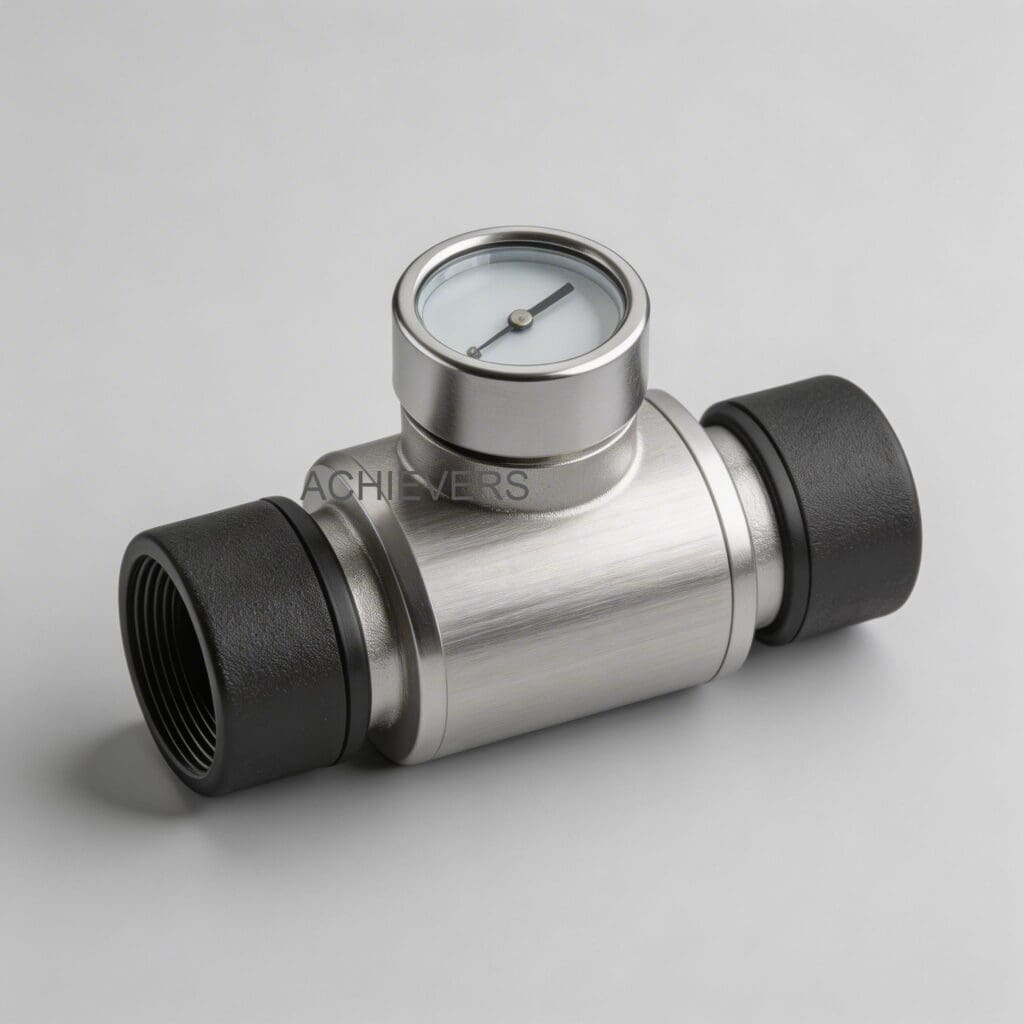
An unexpected failure in a viscous oil line doesn’t just stop a pump; it cascades. Boilers shut down, mixing plants halt, and production schedules collapse. In Indian industrial plants, where you are dealing with fluctuating fuel qualities, high particulate loads, and extreme ambient temperatures, reactive maintenance is a fast track to downtime costing upwards of ₹5,00,000 per shift.
You installed an तेल प्रवाह मीटर because you needed precision—+/- 0.5% accuracy and +/- 0.1% repeatability. But maintaining that accuracy with heavy base oils or 150°C furnace oil requires a strict, proactive service schedule. Viscous fluids hide abrasive particulates, while heat and line pressure relentlessly test seals and oval gears. This guide delivers a direct, field-tested preventive maintenance schedule to keep your meters accurate and your lines moving.
QUICK REFERENCE: Oil Flow Meter Preventive Checklist
- [ ] Daily: Visual leak check at flanges and register base.
- [ ] साप्ताहिक: Monitor line pressure drop (indicates strainer clogging).
- [ ] महीने के: Blow down and clean the integrated mesh strainer.
- [ ] त्रैमासिक: Verify 4-20mA and RS485 MODBUS signal integrity.
- [ ] Bi-Annually: Inspect cover O-rings and torque flange bolts.
- [ ] वार्षिक: Master meter calibration check and oval gear inspection.
1. Product Overview and Critical Wear Components
To maintain an तेल प्रवाह मीटर, you must understand its mechanical reality. This is a positive displacement meter utilizing an oval gear design. As viscous oil pushes through the chamber, it forces two machined gears to rotate, displacing an exact volume of fluid per revolution.
Because the tolerances between the gears and the aluminum alloy measuring chamber are incredibly tight, even microscopic particulate bypass can cause scoring.
Critical Wear Points:
- Integrated Mesh Strainer: The first line of defense. If this fails or clogs, the meter starves, causing cavitation, or passes debris that locks the gears.
- Oval Gears and Shafts: Constant friction points. Subject to wear if lubricating properties of the fluid drop or if abrasive contaminants enter.
- O-Rings and Chamber Seals: Degrade faster when handling high-temperature furnace oil (rated up to 150°C).
- Electronic Register: The digital display and transmission board (handling 4-20 mA and RS485 MODBUS). Vulnerable to Indian monsoon humidity and plant vibration.
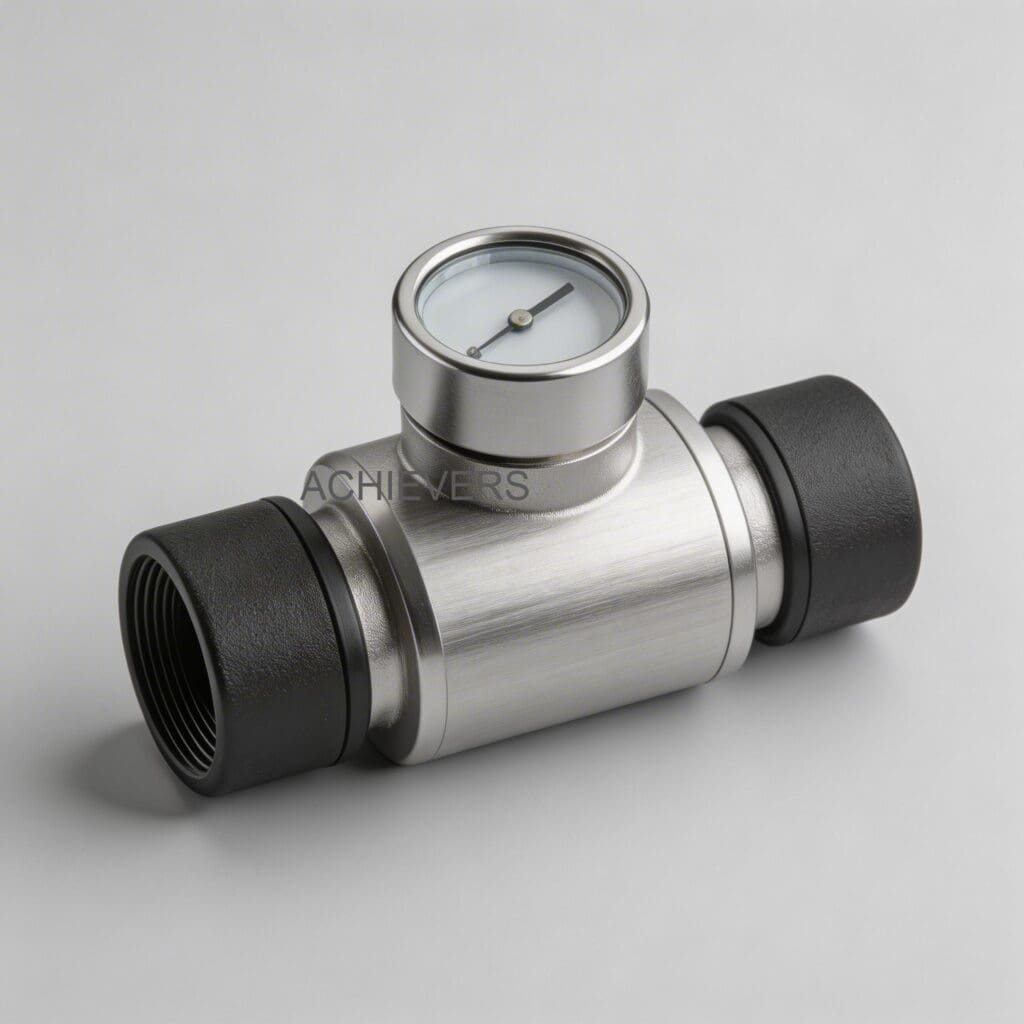
Specifications Baseline
Before performing maintenance, verify your operating parameters align with the meter’s design limits. Pushing beyond these specs accelerates wear exponentially.
| विनिर्देश | Technical Limit | Maintenance Impact |
| — | — | — |
| प्रवाह सीमा | 1.0 एलपीएच से 24,000 एलपीएच तक | Operating below 1.0 LPH may cause slippage; exceeding 24,000 LPH accelerates gear wear. |
| लाइन आकार | 6mm to 150mm (1/4" to 6") | Dictates flange torque values and replacement O-ring sizes. |
| अधिकतम तापमान | 150 डिग्री सेल्सियस तक | Critical for Furnace Oil. Exceeding limits hardens standard seals. |
| Accuracy / Repeatability | +/- 0.5% / +/- 0.1% | Worn gears or bypassing seals immediately degrade these figures. |
| Data Output | 4-20 mA, RS485 MODBUS | Loose terminal connections cause erratic control room readings. |
| Material | हल्के एल्यूमीनियम मिश्र धातु | Avoid highly caustic chemical flushing that attacks aluminum. |
2. Preventive Maintenance Schedule
Downtime is eliminated through routine. Below is the mandatory maintenance schedule for any तेल प्रवाह मीटर operating in heavy industrial environments like lube blending plants or power generation boiler feeds.
| Task | आवृत्ति | Responsible | Est. Time | नोट्स |
| — | — | — | — | — |
| Visual Leak Inspection | Daily | Line Operator | 5 mins | Check flanges, register mating surface, and strainer cap. |
| Display & Output Check | Daily | Line Operator | 5 mins | Ensure digital display is active; verify control room is receiving RS485 data. |
| Strainer Delta-P Check | Weekly | Maintenance Tech | 10 mins | Monitor pressure upstream/downstream. Drop indicates clogging. |
| Strainer Cleaning | Monthly | Maintenance Tech | 30 mins | Remove and wash integrated mesh in solvent. Blow dry. |
| Wire Terminal Inspection | Quarterly | Electrical Tech | 15 mins | Check 4-20mA and RS485 terminals for vibration loosening or corrosion. |
| O-Ring / Seal Inspection | Bi-Annually | Maintenance Tech | 45 mins | Inspect cover seals for hardening or flattening. Replace if brittle. |
| Rotational Friction Test | Bi-Annually | Maintenance Tech | 30 mins | Spin gears manually (system isolated) to check for binding/drag. |
| Master Calibration Check | हर साल | Metrology / QC | 2 hours | Compare against a calibrated prover or master meter. |
| Oval Gear Inspection | हर साल | Maintenance Tech | 1 hour | Remove gears, check for edge scoring, pitting, or shaft wear. |
| Housing Flushing | हर साल | Maintenance Tech | 1 hour | Flush chamber to remove heavy sludge buildup in dead zones. |
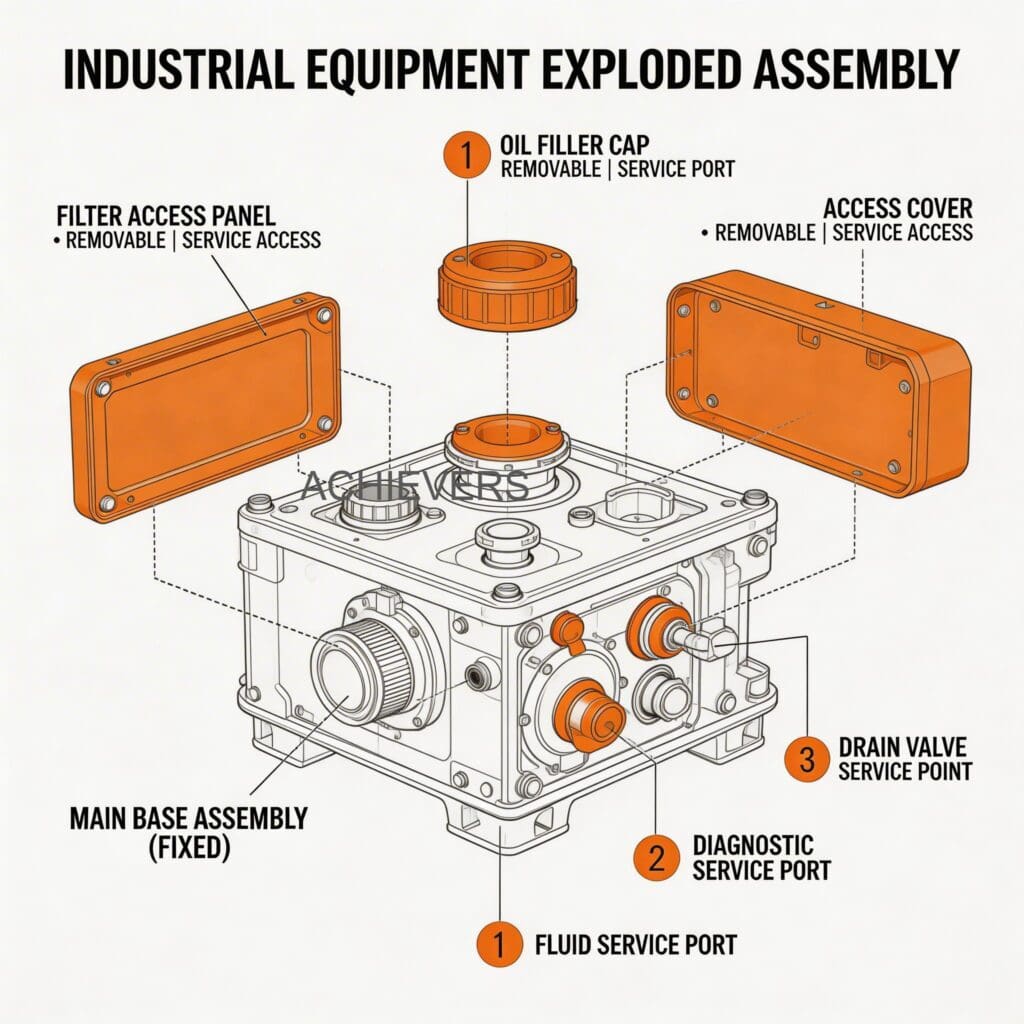
3. Step-by-Step Procedures for Key Tasks
Do not let untrained personnel open a positive displacement meter. The tight tolerances mean improper reassembly will immediately degrade accuracy.
Procedure 1: Integrated Strainer Cleaning
Indian industrial oils often carry high rust and dust loads. The integrated mesh strainer must be kept pristine.
- Isolate the Meter: Close the upstream and downstream isolation valves to block flow.
- Depressurize the Line: Open the bleed valve or carefully loosen the strainer housing bleed screw to relieve all line pressure. Never open a pressurized hot oil line.
- Drain the Housing: Place a catch pan beneath the meter and open the drain plug to remove residual oil.
- Remove Strainer Cap: Unbolt the strainer cover. Keep the cover O-ring safe and inspect it for compression damage.
- Extract the Mesh Element: Pull the stainless steel mesh cylinder out. Do not twist or crush the mesh.
- Clean the Element: Submerge the mesh in a compatible solvent (like mineral spirits or commercial degreaser). Use a soft bristle brush to remove heavy sludge. Do not use wire brushes.
- Blow Dry: Use compressed air (max 30 PSI) blowing from the inside out to dislodge stubborn particles.
- Reassemble and Prime: Insert the clean strainer, replace the O-ring (lubricate lightly with clean line oil), and tighten the cap bolts in a crisscross pattern. Slowly open the upstream valve to prime the meter and purge air before opening the downstream valve.
RED FLAG WARNING: Air Ingress
Never hit an empty positive displacement meter with a high-pressure pump surge. The sudden rush of air followed by dense oil will cause the oval gears to spin at massive over-speed, potentially shattering the shafts or gears. Always crack valves slowly to bleed air and prime the chamber.
Procedure 2: Oval Gear Chamber Inspection & Seal Replacement
If accuracy drifts beyond +/- 0.5%, the gears or seals are the likely culprits.
- Isolate and Flush: Valve off the meter, relieve pressure, and flush the chamber with a light solvent if handling heavy viscous oils (like Furnace Oil) to make handling easier.
- Remove the Register: The register top can be rotated 90º or removed entirely. Unbolt it carefully, taking care not to yank the magnetic pickup wiring.
- Unbolt the Front Cover: Remove the heavy cover bolts using a star-pattern sequence to prevent warping the aluminum alloy faceplate.
- Extract the O-Ring: Remove the main cover seal. Discard it. Never reuse a flattened or baked O-ring.
- Mark Gear Orientation: Before removing the oval gears, use a permanent marker to note their exact meshing alignment and which side faces outward. They must go back in the exact same orientation.
- Remove and Inspect Gears: Slide the gears off their shafts. Inspect the gear teeth for scoring, metal transfer, or sharp edges. Inspect the shafts for grooving.
- Clean the Chamber: Wipe down the aluminum housing interior with a lint-free cloth. Ensure no rag fibers are left behind.
- Reassemble with New Seals: Slide gears back on shafts in the correct alignment. Install a new OEM O-ring. Bolt the cover back on, torquing fasteners to manufacturer spec in a crisscross pattern.
4. On-Site Spare Parts to Stock
Supply chain delays shouldn't cause production stops. For operations running 24/7, maintain the following spare parts inventory for your flow meters.
| Part Description | Type | Recommended Qty | When to Replace |
| — | — | — | — |
| Integrated Mesh Strainer | Consumable | 2 per meter | If mesh is torn, crushed, or permanently clogged with baked oil. |
| Complete O-Ring Kit | Consumable | 3 sets per meter | Anytime the meter is opened, or during bi-annual PM. |
| Oval Gear Set | Wear Part | 1 set per 3 meters | If accuracy drops beyond calibration limits or teeth show visible scoring. |
| Magnetic Pickup Sensor | Electronics | 1 per site | If flow is occurring but the digital display registers zero. |
| Display Battery (if applicable) | Consumable | 2 per meter | Annually, or when low-battery indicator flashes. |
| Cover Fastener Kit | Hardware | 1 set per meter | If bolt threads strip or heads round off during maintenance. |
(Note: If your facility also runs lighter fuels alongside heavy oils, ensure you are utilizing a dedicated ईंधन प्रवाह मीटर for those lines, as the viscosity differences dictate different calibration profiles and gear clearances.)
5. Diagnosing Maintenance-Related Failures
When a meter fails in the field, it leaves physical evidence. Use this diagnostic table to trace operational failures back to maintenance gaps.
| Failure Symptom | Missed Maintenance Task | Corrective Action |
| — | — | — |
| Erratic or jumping flow readings | Air purging / Seal inspection | Bleed air from the line. Check suction side of pump for air leaks. Replace meter O-rings. |
| Severe pressure drop across meter | Strainer cleaning | Isolate meter and clean the integrated mesh strainer immediately. |
| Meter passing fluid but not registering | Gear inspection / Sensor check | Check if gears are stuck due to debris. Inspect magnetic pickup sensor and RS485 wiring. |
| Accuracy reading consistently low | Gear replacement / Strainer | Viscous fluid is bypassing the gears. Inspect for worn gear teeth or a damaged measuring chamber. |
| Oil leaking from the register base | Seal replacement | The dynamic seal between the measuring chamber and electronic register has failed. Replace immediately. |
| Display fading or blank | Terminal inspection | Check 24V power supply, battery, and ensure no moisture has entered the register housing. |
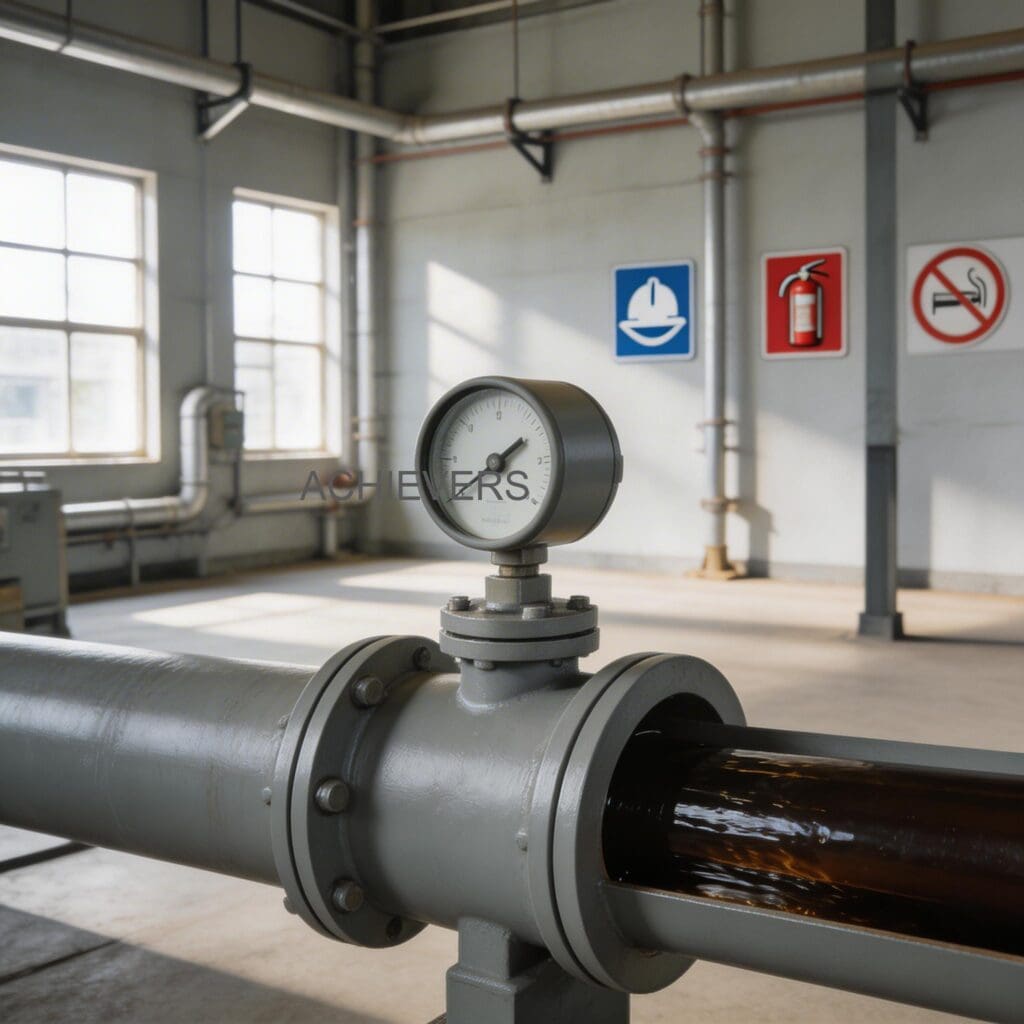
6. Extending Service Life in Indian Conditions
Indian industrial sites present unique environmental challenges that drastically shorten equipment life if ignored.
High Ambient Heat & Furnace Oil:
Handling Furnace Oil up to 150°C while ambient summer temperatures hit 45°C means thermal expansion is a constant threat. Ensure the meter is installed with proper pipe supports to prevent thermal pipe strain from warping the lightweight aluminum alloy body.
Dust and Airborne Particulate:
In cement, mining, and construction applications, abrasive dust settles on the equipment. When technicians open the meter for service, this dust falls into the chamber. Always power-wash or heavily wipe down the exterior of the meter पहले loosening a single bolt.
Monsoon Humidity:
Coastal plants face extreme humidity. Condensation inside the electronic register will short out the RS485 MODBUS and 4-20mA output boards. Place industrial-grade silica gel packets inside the register housing and ensure cable glands are tightly torqued and sealed with weather-proof potting if necessary.
Contaminated Power Grids:
Voltage fluctuations will fry the digital display. Always run the meter's electronic power through a stabilized UPS or install surge protection at the panel handling the 4-20mA loop.
अक्सर पूछे जाने वाले प्रश्न
Q: How often does an Oil Flow Meter handling Furnace Oil need calibration?
A: For critical applications like boiler fuel tracking, verify calibration every 6 to 12 months. High-temperature, high-viscosity oils cause faster wear on internal clearances, which slowly degrades the +/- 0.5% accuracy over time.
Q: The digital display is working, but my PLC is not receiving the RS485 MODBUS signal. What is wrong?
A: Usually, this is caused by vibration loosening the terminal connections inside the register, or moisture causing oxidation on the contacts. Verify the wiring, check the terminating resistor, and ensure the baud rate matches your PLC settings.
Q: Can I use water to flush the meter during maintenance?
A: Absolutely not. Water causes immediate rusting on internal steel shafts and provides zero lubrication when the meter is restarted. Always flush with a compatible light petroleum solvent, like diesel or mineral spirits.
Q: My pressure drop across the meter has spiked to 2 Bar. Is the meter broken?
A: Not necessarily. A sudden pressure drop is almost always a clogged integrated mesh strainer. The meter is restricting flow because the mesh is completely blinded by debris or cooled, coagulated oil. Clean the strainer.
Q: Is this meter Legal Metrology or PESO certified for custody transfer in India?
A: Standard industrial models are designed for internal process monitoring and automation systems. If you require Legal Metrology stamping for direct commercial billing, you must specify this during procurement so the exact approved model and stamping procedures are applied.
Q: Can I use this meter for both heavy lube oil and light diesel?
A: While mechanically capable, positive displacement meters are calibrated for specific viscosity ranges. Slippage increases with thinner fluids. If you switch from highly viscous base oil to light diesel, the meter will likely under-register and require recalibration.
Q: The meter makes a loud knocking sound during operation. What is happening?
A: Knocking indicates air pockets (cavitation) passing through the chamber, or large solid debris being crushed by the oval gears. Stop the pump immediately, bleed the air, and inspect the strainer for tears.
Regular maintenance isn't just about keeping the meter running; it’s about trusting the numbers on your control screen. If your facility is struggling with inaccurate readings, frequent strainer clogs, or you need to upgrade your viscous fluid handling capabilities, it’s time to consult the experts. Contact Chintan Engineers with your specific fluid type, flow rate (LPH), operating temperature, and site conditions, and our technical team will engineer a dispensing and metering solution built for your exact reality.