
Fuel theft, inaccurate reconciliation, and equipment downtime are bleeding Indian industrial operations dry. When evaluating fluid transfer infrastructure, plant managers and procurement heads routinely fixate on the upfront purchase price of monitoring equipment. This is a critical engineering and financial mistake. In high-volume environments like mining sites, petrochemical plants, and large-scale construction projects, a minor measurement discrepancy of even 1% can result in unrecorded losses worth lakhs of rupees annually.
To bridge the gap between perceived costs and actual financial impact, you must run a comprehensive diesel flow meter total cost of ownership calculation. The initial capital expenditure (CapEx) for metering hardware usually represents less than 20% of the lifetime cost of the asset. The remaining 80% is hidden in installation complexity, calibration drift, filter blockages, and operational downtime. This analysis strips away the marketing fluff to provide a blunt, technically rigorous look at the real numbers. By breaking down the capex, maintenance, and operational efficiencies, you can confidently calculate the Diesel Flow Meter ROI in India and stop treating fuel monitoring as a sunk cost.
QUICK REFERENCE: Indian Site Deployment Checklist
- Verify baseline fuel pilferage/loss percentage before installation.
- Ensure Legal Metrology Act compliance for custody transfer applications.
- Install secondary filtration (Y-strainers) upstream to protect meter rotors.
- Mandate a UPS or power conditioner for electronic counter variants.
- Lock and seal all bypass valves to prevent unmetered fuel diversion.
1. उत्पाद का अवलोकन और लागत संदर्भ
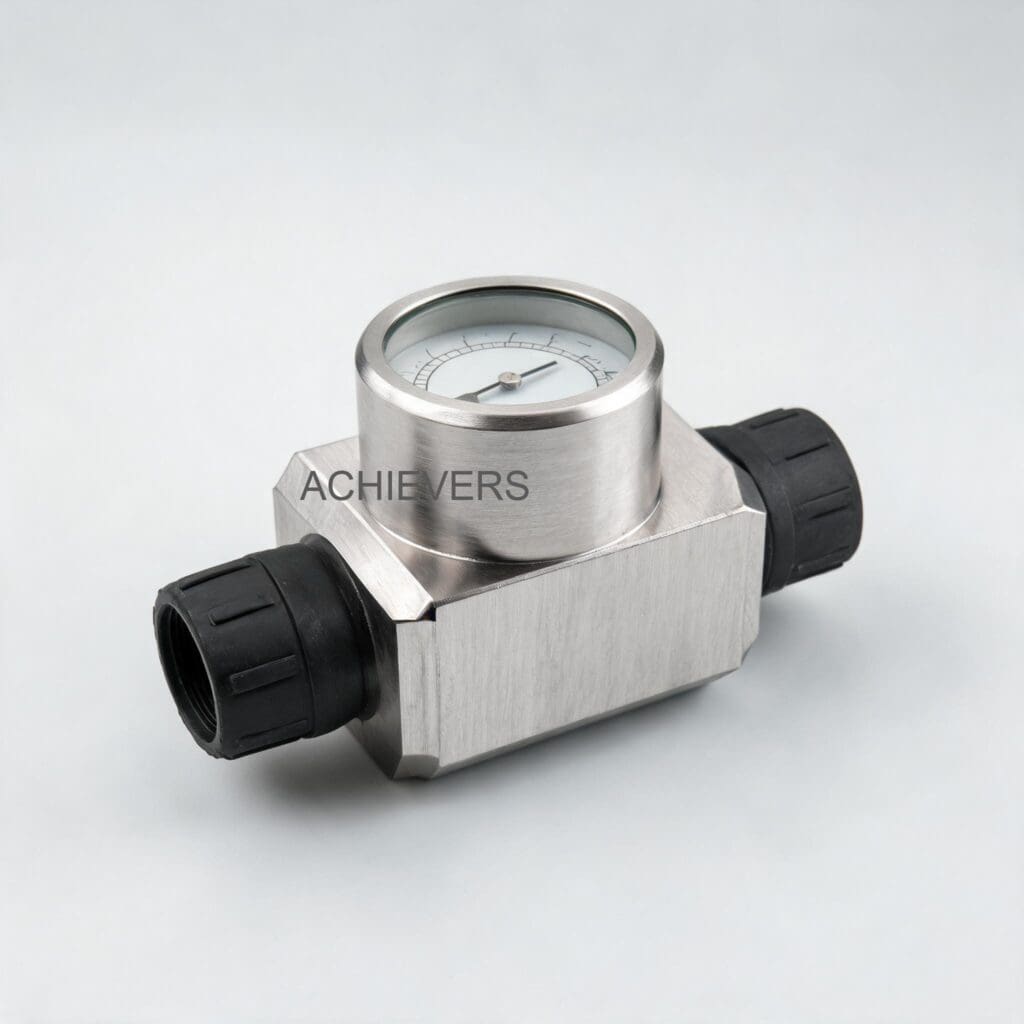
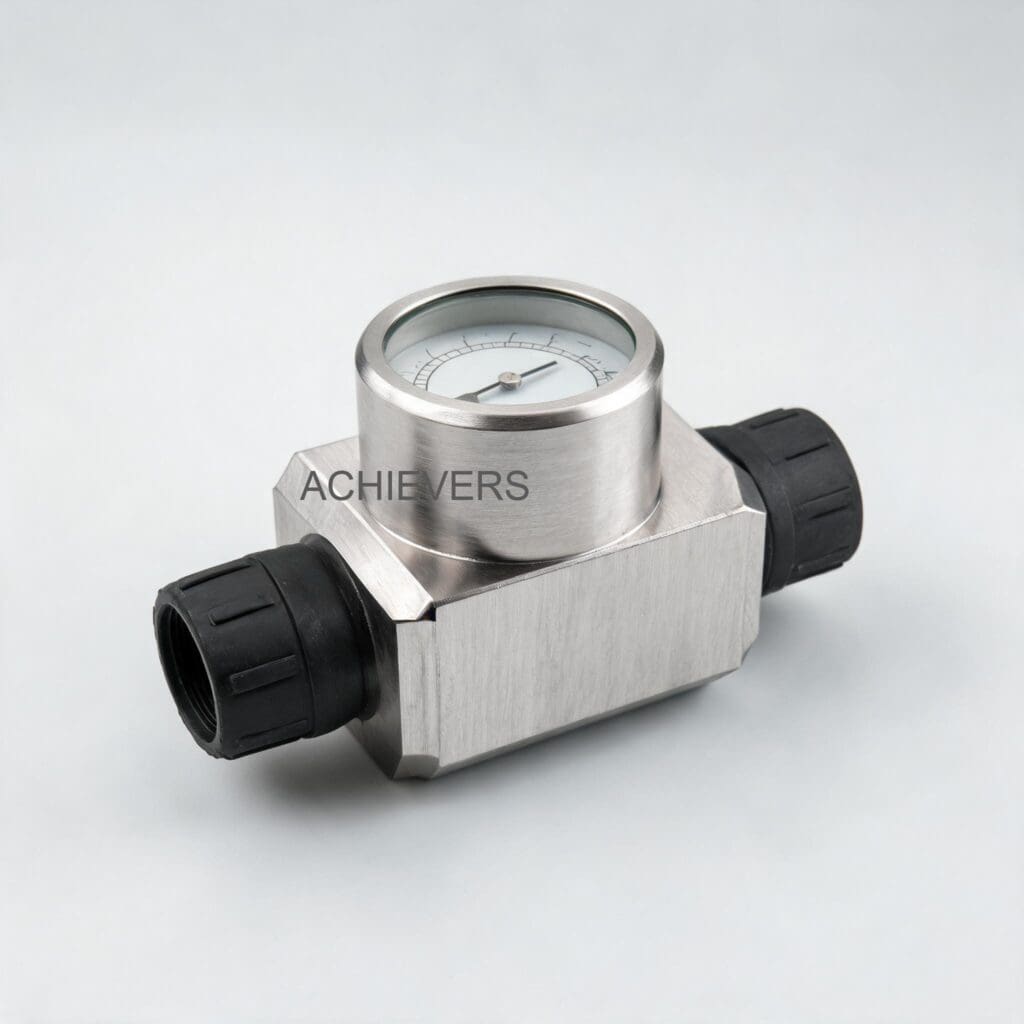
A डीजल फ्लो मीटर is a precision-engineered volumetric measuring instrument designed for the accurate tracking of middle distillate fuels. In industrial applications ranging from power generation to commercial oil storage, these meters are tasked with handling flux measurement under demanding operational conditions. Unlike basic rotameters, modern positive displacement and turbine flow meters process fluid with minimal sensitivity to viscosity changes within their operational band.
When you buy diesel flow meter for industrial fuel monitoring, you are investing in accountability. The hardware acts as the primary financial firewall between your storage infrastructure and fuel consumption endpoints. A high-quality unit features robust construction capable of withstanding high vibration and operates independently of viscosity fluctuations between 8 to 5000 mPas. Equipped with a 9×4 digit electronic counter, it provides both real-time flow rate indication and totalized flow data. With an accuracy rating of +/- 0.5%, the meter ensures that every drop of diesel solvent or biodiesel transferred is mathematically accounted for, effectively closing the loop on inventory reconciliation.
2. स्वामित्व की कुल लागत का विवरण
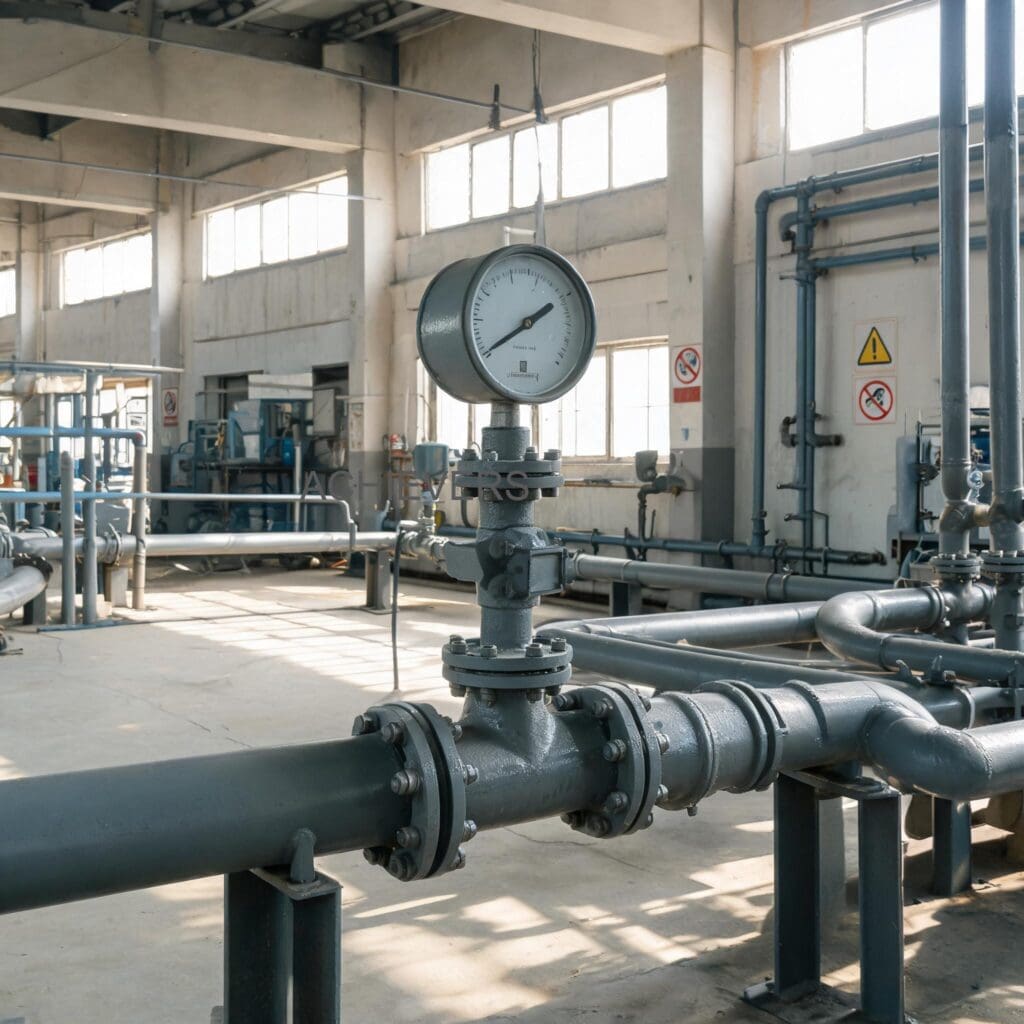
Understanding the actual lifecycle cost requires looking beyond the vendor quotation. The Indian industrial environment—characterized by high ambient temperatures, heavy particulate contamination, and erratic power grids—accelerates wear and tear. A true TCO model accounts for every rupee spent from procurement to decommissioning over a standard 5-to-7-year asset lifecycle.
| लागत घटक | सामान्य सीमा (INR) | आवृत्ति | नोट्स |
| — | — | — | — |
| Initial Equipment Purchase | 25,000 – 1,50,000 | Once | Varies by flange size (1/2 to 4 inch) and counter type. |
| स्थापना और पाइपिंग संशोधन | 10,000 – 35,000 | Once | Flange alignment, welding, bypass line creation, and isolation valves. |
| Upstream Filtration (Y-Strainer) | 5,000 – 15,000 | Once | Mandatory in India to catch rust and tank sludge before it destroys the meter. |
| Initial Calibration & Stamping | 3,000 – 8,000 | Once | Legal Metrology certification for custody transfer applications. |
| वार्षिक रखरखाव अनुबंध (एएमसी) | 8,000 – 20,000 | वार्षिक | Periodic inspection, cleaning, and moving part lubrication. |
| Periodic Recalibration | 4,000 – 10,000 | वार्षिक | NABL lab verification to correct mechanical drift and ensure 0.5% accuracy. |
| Consumables & Minor Spares | 2,000 – 7,000 | Bi-Annual | O-rings, gaskets, and replacement electronic counter batteries. |
| Operational Downtime (Planned) | 15,000 – 50,000 | वार्षिक | Lost operational time during isolation for maintenance and calibration. |
| End-of-Life Replacement | 20,000 – 1,20,000 | Every 5-7 Years | Core measuring unit replacement; flanges and piping usually retained. |
3. निवेश पर लाभ (आरओआई) की गणना: वास्तविक भारतीय उदाहरण
To determine the diesel consumption tracking flow meter payback period, we must map the costs against the quantifiable reduction in fuel losses. In the Indian logistics and manufacturing sectors, undocumented fuel loss (pilferage, short deliveries, and unrecorded dispensing) typically ranges from 2% to 5% of total volume. Here is a conservative, step-by-step ROI calculation for a mid-sized manufacturing plant operating backup diesel generators and a small material handling fleet.
- Establish the Baseline Consumption: The plant consumes 20,000 liters of diesel per month. At an average industrial rate of INR 90 per liter, the monthly fuel spend is INR 18,00,000.
- Quantify Existing Losses: Historical reconciliation shows a standard discrepancy of 3% between purchased volume and actual generator/fleet output. This equals 600 liters lost per month.
- Calculate Financial Bleed: 600 liters x INR 90 = INR 54,000 lost per month, translating to INR 6,48,000 in untracked financial losses annually.
- उपकरण पूंजीगत व्यय का निर्धारण करें: The plant procures a high-accuracy industrial डीजल फ्लो मीटर sized at 2 inches with a 9×4 electronic counter. Total upfront cost including GST is INR 65,000.
- Add Installation and Auxiliaries: Piping modifications, an upstream Y-strainer, isolation valves, and installation labor add INR 25,000. Total initial investment = INR 90,000.
- Project the Intervention Impact: Implementing the meter with its +/- 0.5% accuracy reduces the undocumented loss from 3% down to a maximum of 0.5%.
- Calculate Monthly Savings: The 2.5% recovered volume equals 500 liters saved per month. 500 liters x INR 90 = INR 45,000 saved every month.
- सरल प्रतिपूर्ति अवधि निर्धारित करें: Total Investment (INR 90,000) divided by Monthly Savings (INR 45,000) = Exactly 2 Months. Within 60 days, the equipment has paid for itself.
4. लागत तुलना: उपलब्ध दृष्टिकोण
Plant managers often attempt to cut corners by relying on outdated measurement methods or basic mechanical devices. A proper diesel flow meter price vs savings analysis requires comparing the available technological approaches across upfront costs, recurring expenses, and inherent reliability.
| दृष्टिकोण | Upfront Cost | Annual Cost (Maint/Loss) | शुद्धता | Reliability | के लिए सर्वश्रेष्ठ |
| — | — | — | — | — | — |
| Manual Dipstick / Sounding Tape | Very Low (Under INR 2,000) | Extremely High (Theft/Human Error) | +/- 3% to 5% | Poor (Operator Dependent) | Small syntax tanks, non-critical low-volume storage. |
| Basic Mechanical Nutating Disc | Low (INR 10,000 – 25,000) | Moderate (Frequent drift) | +/- 1% to 2% | Moderate (Prone to wear) | Agricultural use, temporary construction sites. |
| High Accuracy Electronic Flow Meter | Moderate (INR 25,000 – 1,50,000) | Low (Routine calibration only) | +/- 0.5% | High (Vibration resistant) | Industrial plants, transport fleets, bulk dispensing. |
| Coriolis Mass Flow Meter | Very High (INR 3,00,000+) | Low (High calibration cost) | +/- 0.1% | Very High | Petrochemical refineries, absolute custody transfer. |
RED FLAG WARNING: The Bypass Trap
Never install a flow meter without sealing the bypass line. Unscrupulous operators will intentionally open bypass valves to route fuel around the meter, rendering your investment useless. Always secure isolation and bypass valves with numbered, tamper-evident wire seals. If you are integrating this into a complete dispensing station, ensure seamless compatibility with your ईंधन डिस्पेंसर control systems.
5. बजट में शामिल करने योग्य छिपे हुए खर्च
When executing large-scale procurement, failing to budget for the peripheral ecosystem required to keep the meter running will result in project overruns. In the Indian industrial context, the operating environment introduces specific hidden costs that must be factored into your CapEx and OpEx budgets.
- Mandatory Upstream Filtration: Indian diesel often contains suspended particulate matter, tank rust, and silica dust from transport bowsers. You must budget for high-quality Y-strainers or basket filters (100-micron mesh). A jammed rotor due to unfiltered debris will void warranties and halt operations.
- Power Conditioning and UPS: Electronic counters with 9×4 digit displays are sensitive to voltage spikes. In remote mining or plant sites with dirty power from generators, installing a dedicated UPS or voltage stabilizer is a non-negotiable hidden cost to prevent logic board failure.
- NABL Calibration Logistics: Maintaining the +/- 0.5% accuracy requires periodic master-meter proving. Budget for the logistics of either sending the unit to an accredited lab or hiring a mobile calibration unit to visit your site annually.
- Piping and Flange Modifications: Meters cannot be forcefully bolted into misaligned pipes. Stresses on the meter body will distort the measuring chamber. You must account for the cost of skilled welders to cut, align, and perfectly mate the 1/2" to 4" flanges.
- Air Elimination Equipment: If your pump draws air due to low tank levels or suction leaks, the meter will register air as fluid, causing gross over-reporting. Installing an air eliminator tank upstream of the meter is a critical hidden cost in long-suction setups.
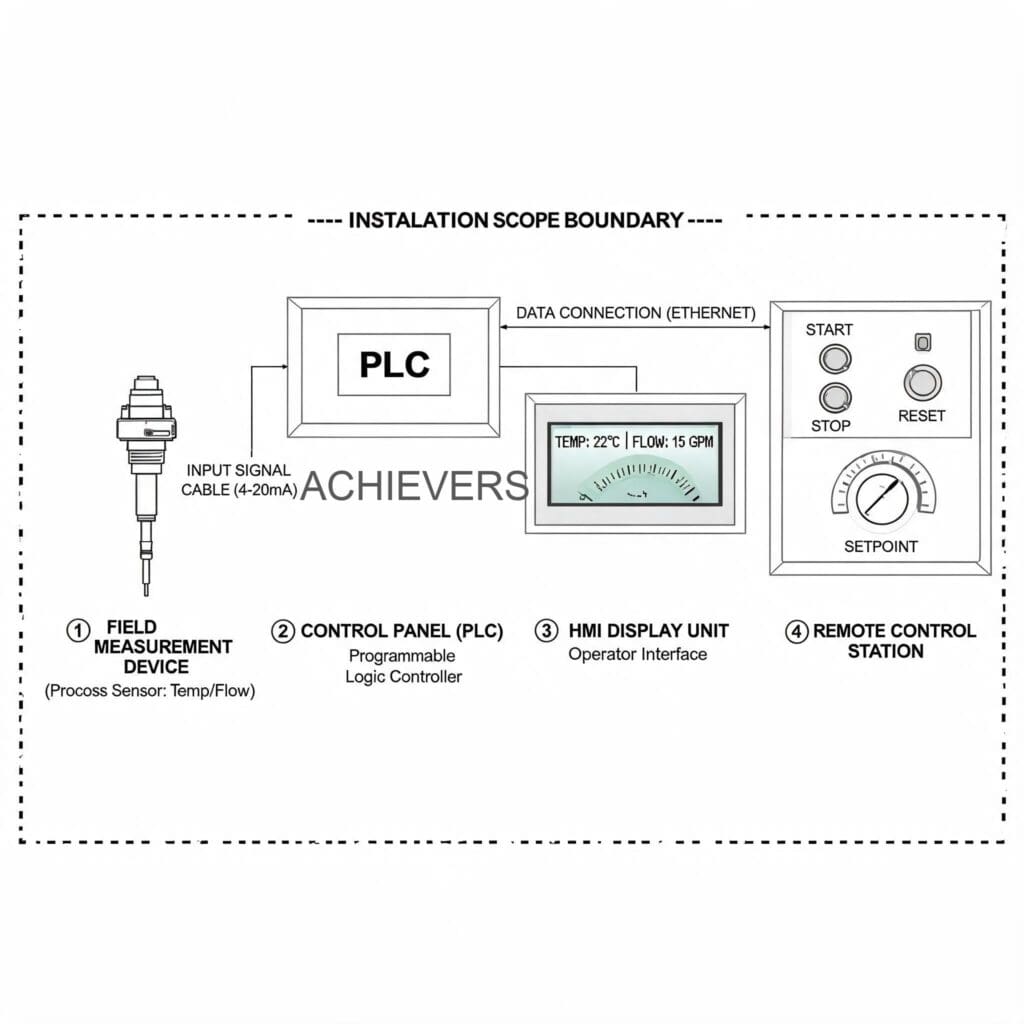
- Integration and Software Licensing: If you intend to pull the totalized flow data into a central ERP or Fuel Management System (FMS), budget for the communication modules (RS485/Modbus), wiring, and software integration fees.
6. प्रबंधन के समक्ष खरीद को कैसे उचित ठहराया जाए
Engineers often struggle to secure budget approvals because they pitch technical specifications instead of financial outcomes. Management does not care about operating pressures up to 50 psi; they care about stopping revenue leaks. Use this proven framework to justify the CapEx to your procurement heads and finance directors.
- Establish the Financial Bleed: Do not talk about fluid dynamics. Present the historical data showing the volumetric discrepancy between fuel purchased and fuel consumed. Convert those missing liters into a hard INR figure.
- Highlight Regulatory Compliance: If your facility engages in the internal sale of fuel to subcontractors or transport partners, point out that using uncalibrated or highly inaccurate meters violates Legal Metrology regulations, opening the company to severe legal risk and fines.
- Present the Equipment Capabilities as Risk Mitigators: Explain that the proposed unit operates independently of viscosity (8-5000 mPas), meaning temperature swings between Indian summers and monsoons will not affect accuracy. Note its high vibration resistance, ensuring longevity in heavy plant environments.
- Show the Total Cost of Ownership: Present a transparent 5-year TCO calculation. Show that while the upfront cost is higher than a manual system, the annualized cost is negligible.
- Deliver the Payback Timeline: Use the ROI framework to demonstrate that the equipment will pay for itself in under 3 to 6 months purely through recovered pilferage and eliminated dispensing errors.
- Define the Cost of Inaction: Conclude your pitch by showing how much money the company will permanently lose over the next 12 months if the purchase is delayed.
Technical Specifications Summary
To ensure seamless integration with your existing fluid handling infrastructure, verify these core parameters against your site requirements prior to procurement.
| विनिर्देश | Technical Parameter | Application Impact |
| — | — | — |
| Accuracy Standard | +/- 0.5% | Ensures precision tracking for financial reconciliation. |
| Available Diameters | 1/2" to 4" inch | Scales from small generator lines to bulk unloading headers. |
| Viscosity Range | 8 – 5000 mPas | Maintains accuracy regardless of fuel temperature/density shifts. |
| Maximum Pressure | Up to 50 psi / 3.5 bar | Compatible with standard industrial transfer pump outputs. |
| Display Configuration | 9×4 digit Electronic | Provides clear, resettable batch tracking and lifetime totalization. |
अक्सर पूछे जाने वाले प्रश्न
Q: Can this meter handle biodiesel and other diesel solvents without degrading?
A: Yes. The internal components are highly strong and fabricated specifically for middle distillates, including commercial diesel, biodiesel blends, and industrial oil solvents, ensuring a long operational life.
Q: How often does the meter require calibration in an Indian industrial setting?
A: For internal monitoring, an annual calibration check is recommended. If the meter is used for custody transfer or billing subcontractors, you must follow the recalibration schedule mandated by local Legal Metrology authorities.
Q: Will extreme summer temperatures affect the measurement accuracy?
A: No. The positive displacement/volumetric design is independent of viscosity within the 8 to 5000 mPas range, meaning the volumetric measurement remains stable even as fuel thins out in high heat.
Q: What happens if the pump pressure surges beyond normal levels?
A: The equipment is rated for operating pressures up to 50 psi (3.5 bar). Sustained pressure beyond this requires pressure relief valves in the pipeline to protect the meter's internal seals from rupturing.
Q: Do I need a power source for the display?
A: Yes, the 9×4 digit electronic counter requires electrical power. You must ensure a stable, conditioned power supply to prevent digital reset errors or logic board damage from voltage fluctuations.
Q: Why is my new flow meter reading higher than the actual dispensed volume?
A: This is almost always caused by air in the suction line. Volumetric meters measure all fluid passing through them, including air pockets. You must install an air eliminator upstream to resolve this.
Q: Is it difficult to reset the counter between different filling batches?
A: Not at all. The electronic counter features a dedicated resettable function for flow rate and batch indication, while simultaneously maintaining a secure, non-resettable totalized flow count for management auditing.
Stop allowing unmetered fuel to erode your operational margins. Accurate fluid measurement is not an overhead expense; it is a critical revenue protection strategy. Contact Chintan Engineers today with your required flow rate, line size, and site conditions to receive a technical evaluation. Our engineers will help you select the exact configuration necessary to eliminate pilferage, streamline your reconciliation, and secure an immediate return on your investment.