
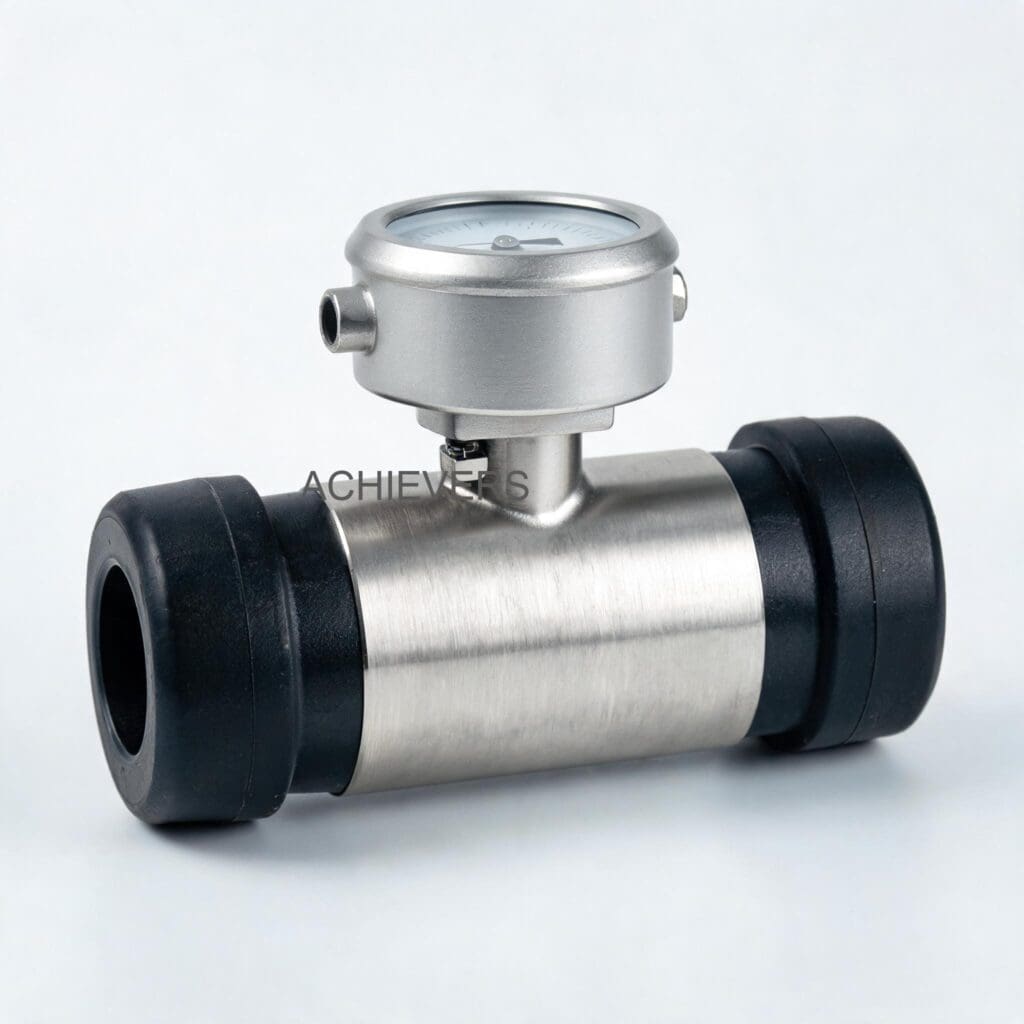
Most industrial plant managers drastically underestimate the total cost of ownership (TCO) for flow measurement systems. You buy a basic turbine meter because the sticker price is low, only to watch it fail against high-viscosity furnace oil. Meanwhile, unaccounted fuel consumption bleeds your operating budget. For boiler burners, diesel generators, and bulk oil transfer lines, measurement errors directly translate to burned cash.
This guide breaks down the real TCO of an industrial तेल प्रवाह मीटर, moving beyond the initial purchase price to include installation, maintenance, downtime, and calibration. More importantly, it provides a hard, mathematical ROI model to justify the upgrade by tying capital expenditure directly to measurable loss reduction.
QUICK REFERENCE CHECKLIST: OIL FLOW METER PROCUREMENT
- [ ] द्रव श्यानता: Verified maximum viscosity at operating temperature.
- [ ] Flow Range: Matches the 1.0 LPH to 24,000 LPH optimal operating window.
- [ ] Integration: Confirmed requirement for 4-20 mA or RS485 MODBUS output.
- [ ] Line Size: Verified pipe diameter matches 6mm to 150mm (1/4" to 6") options.
- [ ] Strainer: Ensured integrated mesh strainer is included in the installation plan.
1. उत्पाद का अवलोकन और लागत संदर्भ
एक औद्योगिक तेल प्रवाह मीटर built on positive displacement (oval gear) technology is not a commodity—it is a financial control instrument. When dealing with heavy base oils, viscous additives, or high-temperature furnace oils up to 150°C, fluid dynamics shift. Turbine meters slip, and manual sounding introduces human error.
By isolating specific volumes of liquid in interlocking oval gears, this type of flow meter measures highly viscous liquids with exceptional accuracy, independent of changes in downstream pressure or viscosity.
Core Specifications (From Product Data)
| विनिर्देश | Technical Parameter | Application Impact |
| — | — | — |
| प्रवाह सीमा | 1.0 एलपीएच से 24,000 एलपीएच तक | Covers everything from micro-dosing to bulk tanker offloading. |
| लाइन आकार | 6mm to 150mm (1/4" to 6") | Scalable across various industrial piping infrastructures. |
| Accuracy / Repeatability | +/- 0.5% reading / +/- 0.1% | Ensures precise financial accounting of fuel and raw materials. |
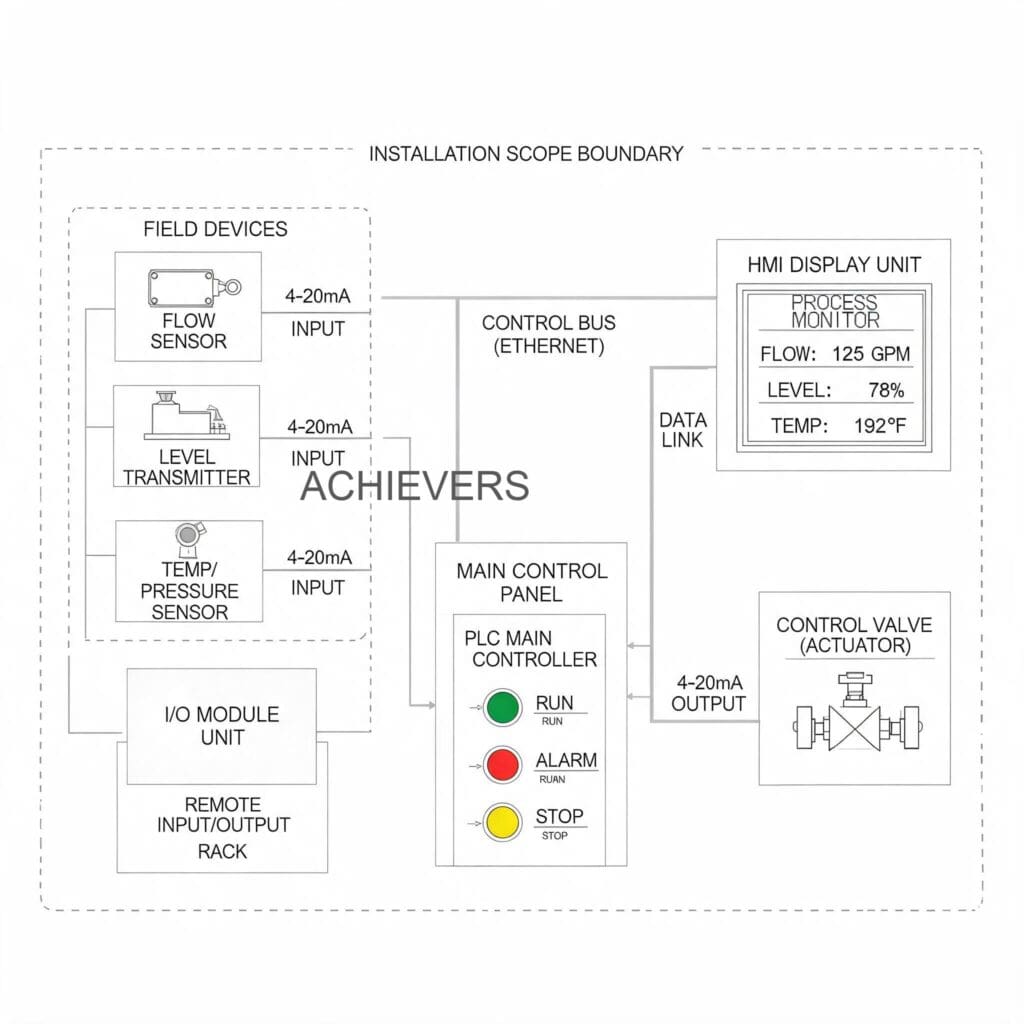
| Outputs | 4-20 mA, Serial RS485 MODBUS | Direct integration into SCADA and automation systems. |
| Temperature Rating | 150 डिग्री सेल्सियस तक | Safely handles pre-heated heavy furnace oils. |
2. स्वामित्व की कुल लागत का विवरण
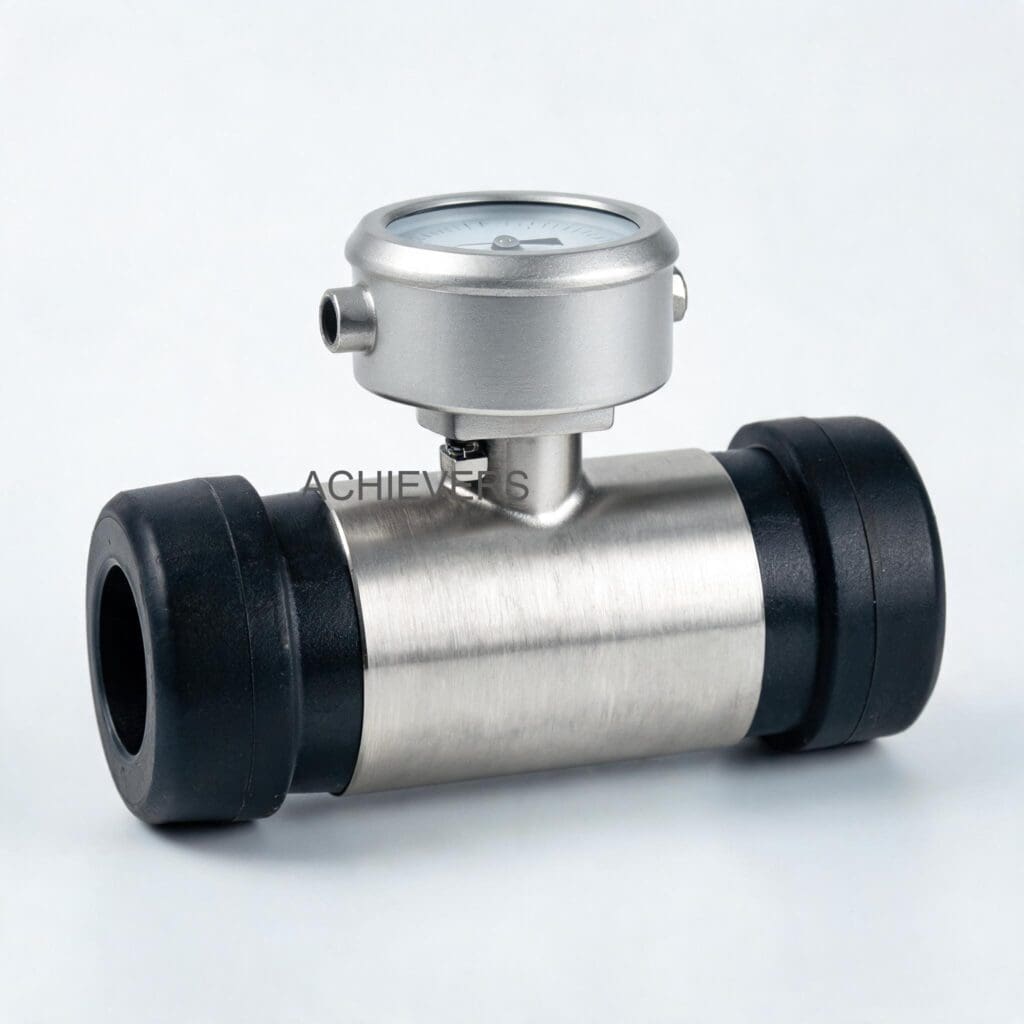
A procurement strategy focused solely on the capital expenditure (CapEx) guarantees long-term operational expenditure (OpEx) blowouts. The real TCO of an तेल प्रवाह मीटर spans its entire 10-to-15-year lifecycle.
| लागत घटक | Typical Share of TCO | आवृत्ति | नोट्स |
| — | — | — | — |
| Initial Purchase Price | 15% – 20% | Once | Capital cost of the oval gear meter, register, and housing. |
| Installation & Piping | 10% – 15% | Once | Flange modification, welding, and bypass line creation. |
| System Integration | 5% – 10% | Once | Wiring 4-20 mA/MODBUS to PLCs and SCADA systems. |
| Commissioning & Calibration | 5% | Initial | Proving the meter under actual site operating conditions. |
| Routine Maintenance | 15% – 20% | वार्षिक | Cleaning the integrated mesh strainers and gear inspection. |
| Consumables & Spares | 10% | As needed | Replacement seals, O-rings, and strainer meshes. |
| Periodic Recalibration | 15% | Annual/Bi-annual | Certified lab calibration to maintain +/- 0.5% accuracy. |
| Energy Costs (Pressure Drop) | 5% – 10% | Continuous | Energy required by pumps to overcome inline resistance. |
RED FLAG WARNING: Do not install a precision oval gear meter without an upstream strainer. Welding slag, pipe scale, or degraded fuel particulates will jam the mechanical gears. The cost of a catastrophic gear failure far exceeds the cost of routine strainer maintenance.
3. निवेश पर लाभ (आरओआई) की गणना: वास्तविक औद्योगिक उदाहरण
To secure budget approval, you need a blunt payback model. Here is an 8-step calculation demonstrating how tighter measurement control pays for the hardware.
Assume an industrial boiler consumes 5,000 liters of furnace oil per day. Currently, usage is tracked via tank dipsticks with an estimated 2.5% error rate due to thermal expansion and human error.
- Establish Baseline Consumption: 5,000 Liters / day x 300 operational days = 1,500,000 Liters annually.
- Quantify the Margin of Error: A 2.5% manual measurement error equates to 37,500 Liters of unaccounted or wasted fuel per year.
- Determine Target Accuracy: Upgrading to an oval gear meter provides +/- 0.5% accuracy, reducing the error margin by 2.0%.
- Calculate Annual Rescued Volume: 2.0% of 1,500,000 Liters = 30,000 Liters of oil saved from undocumented burn or pilferage.
- Assign Financial Value to Losses: At a hypothetical cost of $1.00 per Liter, the plant is losing $30,000 annually to measurement inaccuracy.
- Calculate Total Installed Cost: Assume the meter, flanging, integration, and commissioning totals $6,000.
- Compute Net Annual Savings: $30,000 (rescued oil) – $500 (annual maintenance) = $29,500 net savings year one.
- Determine the Simple Payback Period: Total Installed Cost ($6,000) / Monthly Savings ($2,458) = 2.44 months.
The meter pays for itself in less than one financial quarter.
4. लागत तुलना: उपलब्ध दृष्टिकोण
Plant engineers generally choose between four methods for monitoring oil lines. As accuracy increases, so does the initial cost—but the annual losses decrease exponentially.
| दृष्टिकोण | Upfront Cost | Annual Maintenance | शुद्धता | के लिए सर्वश्रेष्ठ |
| — | — | — | — | — |
| Manual Tank Sounding | Zero / Minimal | High (Labor intensive) | +/- 2% to 5% | Small, non-critical day tanks where precision doesn't impact ROI. |
| Basic Turbine Meters | बहुत कम | कम | +/- 1% to 2% | Clean, non-viscous liquids like standard diesel. Slips with heavy oil. |
| Oval Gear Oil Flow Meter | मध्यम | मध्यम | +/- 0.5% | Viscous lube oils, furnace oils, and automated batching systems. |
| Coriolis Mass Flow Meter | Very High | कम | +/- 0.1% | Custody transfer, extreme precision blending in massive refineries. |
Note: For standard automotive or heavy machinery diesel applications where high-viscosity resistance isn't required, a standard ईंधन प्रवाह मीटर may offer a more cost-effective TCO profile.
5. बजट में शामिल करने योग्य छिपे हुए खर्च
When executing procurement for global plant sites, omitting integration and site-specific conditions will ruin your TCO projections. Budget for these six hidden variables:
- Filtration Upgrades: Positive displacement meters require clean fluid. If your current lines lack Y-strainers or integrated mesh strainers, you must factor in the cost of installing and cleaning them.
- Control System Integration: The meter features a digital display, but utilizing the 4-20 mA or RS485 MODBUS output requires PLC programming, cable runs, and SCADA system mapping.
- Viscosity-Induced Pressure Drops: Pushing heavy base oils through mechanical gears creates pressure drop. Ensure your existing transfer pumps have the head pressure to overcome this without increasing energy consumption significantly.
- Calibration Downtime: Removing the meter for its annual ISO/API-compliant calibration requires shutting down the line. Budget for the installation of bypass piping and isolation valves during initial setup.
- Fluid Temperature Variations: Viscous fluids are often heated. Ensure thermal expansion compensation is factored into your automation logic, or discrepancies will appear between mass and volume.
- Spares Inventory: While the aluminum alloy construction is robust, O-rings and gear sets wear over time. Maintaining a critical spares inventory onsite prevents days of costly unmetered operation.
6. प्रबंधन के समक्ष खरीद को कैसे उचित ठहराया जाए
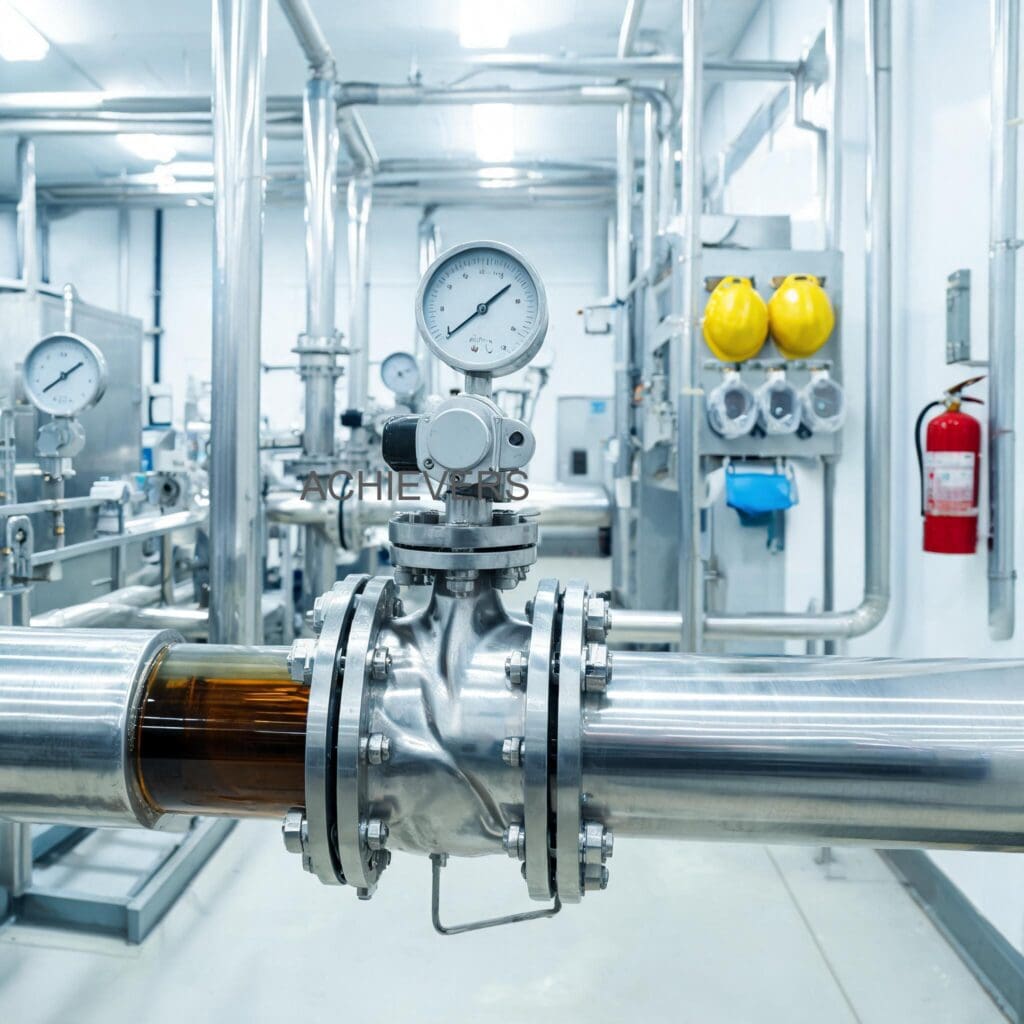
Engineers know why they need better flow meters; the challenge is convincing the CFO. Use this 6-step framework to secure approval:
- Baseline the Current State: Document the variance between purchased fuel invoices and estimated boiler consumption over the last 90 days.
- Quantify the Financial Bleed: Convert that volume variance into hard currency. Show exactly how much money is unaccounted for monthly.
- Highlight the Solution Capability: Explain how step-less calibration, 0.1% repeatability, and oval gear technology eliminate viscosity-based measurement errors.
- Present the Total Cost: Provide a transparent, fully-loaded CapEx request that includes the meter, piping mods, strainers, and PLC integration.
- Show the Payback Period: Present the ROI calculation. A payback period under 6 months is generally rubber-stamped by global corporate finance teams.
- Argue the Risk Reduction: Emphasize that automated RS485 MODBUS data collection eliminates human error, stops manual data-entry falsification, and ensures compliance with environmental reporting standards.
अक्सर पूछे जाने वाले प्रश्न
Q: Can this meter handle high-viscosity furnace oil?
A: Yes. Oval gear technology is specifically designed for viscous liquids. It operates efficiently with low to highly viscous lube oils and furnace oils, maintaining accuracy without the slippage common in turbine meters.
Q: What is the maximum temperature rating?
A: The standard construction handles high-temperature heavy oils, including pre-heated furnace oil up to 150°C.
Q: Does the display orientation limit where I can install the meter?
A: No. The register top can be easily removed and rotated in 90-degree increments, ensuring the display is always readable regardless of vertical or horizontal pipe orientation.
Q: How often does the meter require calibration?
A: While it features step-less calibration for consistent accuracy between levels, annual verification is recommended for heavy industrial use to maintain the specified +/- 0.5% accuracy.
Q: Do I need an external filter?
A: The unit is provided with an integrated mesh strainer. However, for heavily contaminated lines, a primary bulk Y-strainer upstream is highly recommended to protect the internal gears.
Q: Will it cause a massive pressure drop in my lines?
A: It features a low pressure-drop design, making it suitable for both pump-driven and gravity-fed inline applications.
Q: What automation outputs are available?
A: The electronic digital display provides both an analog 4-20 mA output and Serial RS485 MODBUS output, allowing seamless integration into process automation systems and fuel dispensers.
Stop letting measurement errors drain your operational budget. If you are ready to tighten your fuel accounting and implement a flow measurement system that pays for itself in months, contact our technical sales team today. Provide your fluid type, maximum viscosity, flow rate, and pipe size, and we will configure the exact meter specifications required for your industrial site.