
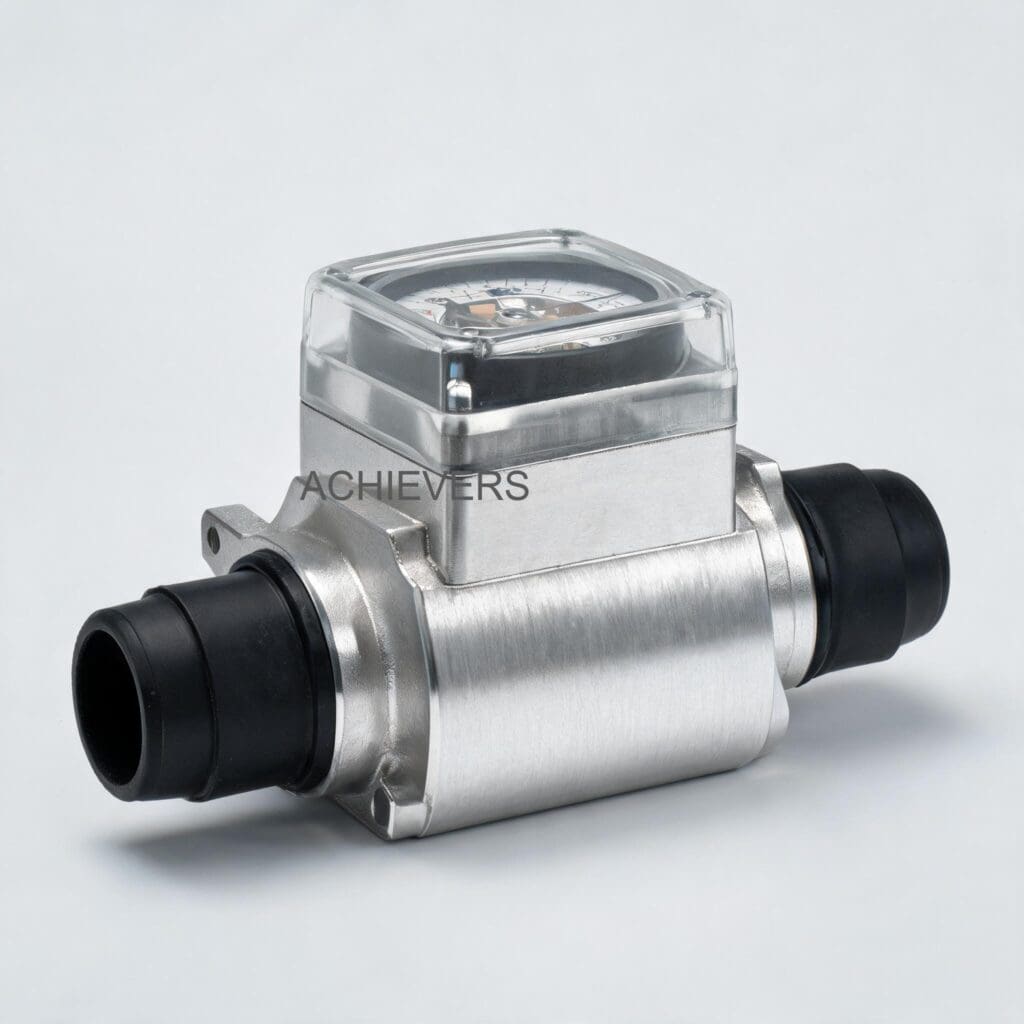
Unplanned downtime at an industrial fuel transfer site costs thousands of rupees per hour. When dealing with bulk unloading or heavy equipment refueling, a डीजल फ्लो मीटर drifting out of calibration by just 1% on a 10,000-liter daily transfer means losing 100 liters of fuel daily. At current Indian fuel prices, that is a massive operational leak.
To maintain the precise +/- 0.5% accuracy your equipment is engineered for, you need a rigorous, field-ready preventive maintenance schedule. This guide provides site operators and fleet managers with the exact procedures required to keep dispensing lines running flawlessly amidst Indian heat, heavy monsoon humidity, and high-particulate environments.
QUICK REFERENCE: Daily Maintenance Checklist
- [ ] Visual inspection of flange joints and body seals for weeping leaks.
- [ ] Verify the 9×4 digit electronic counter display is clear and resets to zero smoothly.
- [ ] Listen for grinding noises or excessive vibration during fluid transfer.
- [ ] Log the cumulative totalizer reading against physical dipstick measurements from the storage tank.
1. Product Overview and Critical Wear Components
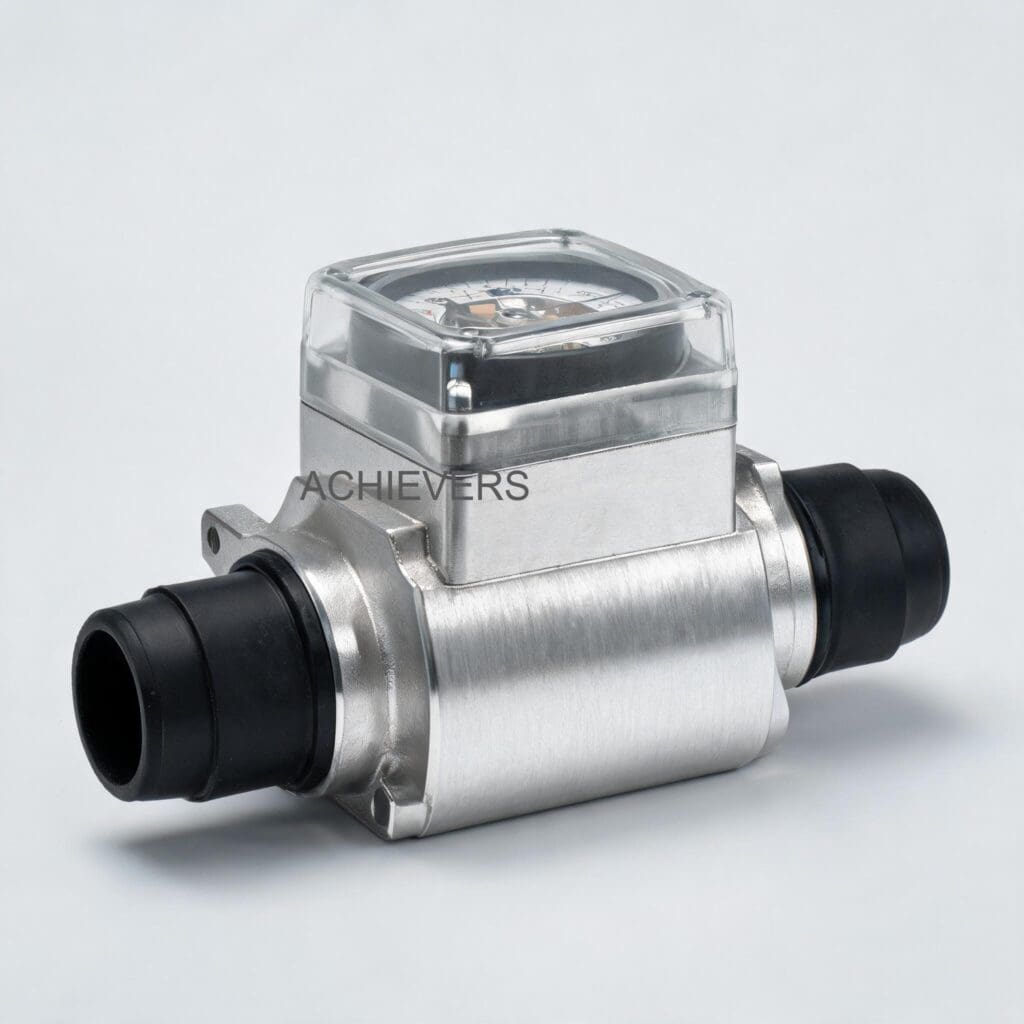
Your डीजल फ्लो मीटर is built for high vibration resistance and longevity, but it contains specific consumable and wear parts that require scheduled attention. Understanding the operating parameters is the first step in effective maintenance. If you push the meter beyond its rated 50 psi (3.5 bar) operating pressure, you will prematurely blow out O-rings and damage the internal measurement rotors.
Technical Specifications and Operating Limits
| विनिर्देश | Rating / Parameter |
| — | — |
| आयतनिक सटीकता | +/- 0.5% precision |
| Connection Sizes | Available in 1/2" to 4" inch diameters |
| Max Operating Pressure | Up to 50 psi / 3.5 bar |
| Viscosity Range | 8 – 5000 mPas (Independent of Viscosity) |
| Readout / Display | 9×4 digit Electronic Counter (Flow Rate & Totalised) |
| Feature Set | Resettable counter, High vibration resistance |
The critical wear points in this system are the internal meshing gears (or rotors), the dynamic seals isolating the measurement chamber from the electronic display, and the upstream strainer mesh.
2. Preventive Maintenance Schedule
Neglecting maintenance leads to pressure drops, flow restrictions, and false totalizer readings. Implement this schedule across your maintenance team to ensure continuous, accurate operation.
| Task | आवृत्ति | Responsible | Est. Time | नोट्स |
| — | — | — | — | — |
| Visual leak inspection | Daily | Site Operator | 5 mins | Check all flange connections and body joints |
| Display functionality check | Daily | Site Operator | 2 mins | Ensure 9×4 digit display shows clear, non-flickering characters |
| Strainer/filter blowdown | Weekly | Maintenance Tech | 15 mins | Critical for dusty Indian construction/mining sites |
| Y-Strainer mesh cleaning | Bi-weekly | Maintenance Tech | 30 mins | Prevents line pressure dropping below operational minimums |
| O-ring & seal inspection | Monthly | Maintenance Tech | 20 mins | Look for fuel weeping; check Viton/Nitrile degradation |
| Mechanical gear lubrication | Quarterly | Site Mechanic | 45 mins | Applicable for linkages on non-electronic drive variants |
| Accuracy calibration check | Quarterly | Site Engineer | 1 hour | Use Legal Metrology approved 20L/50L proving measure |
| Terminal & wiring inspection | द्वि-वार्षिक रूप | Electrician | 30 mins | Check for oxidation due to monsoon moisture ingress |
| Internal chamber cleaning | द्वि-वार्षिक रूप | Specialist Tech | 2 hours | Remove sludge, rust, and particulate buildup from rotors |
| Full Metrology certification | हर साल | Third-party | 4 hours | Statutory Legal Metrology/PESO requirement in India |
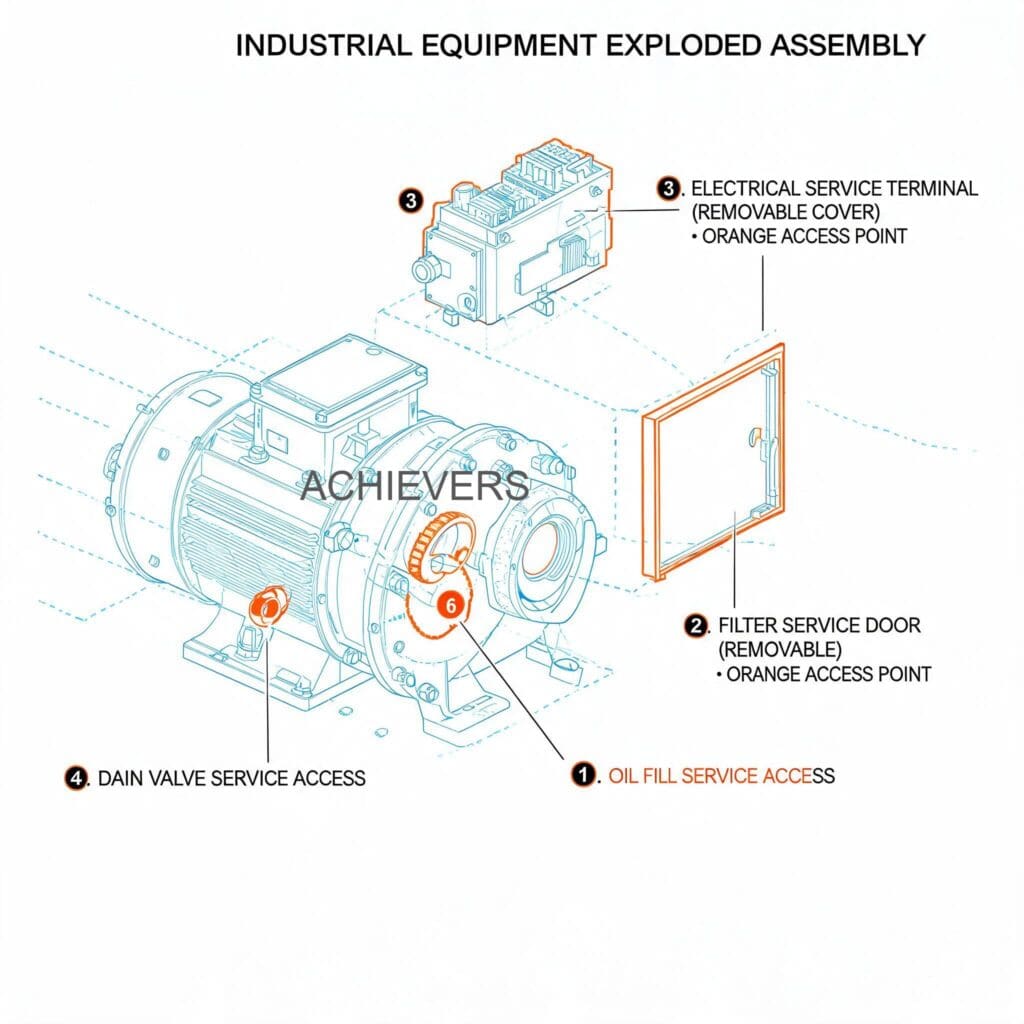
3. Step-by-Step Procedures for Key Tasks
Strainer and Filter Cleaning Procedure
Indian diesel supplies frequently suffer from adulteration and high particulate contamination (rust, silica, and tank sludge). If the strainer clogs, the pump cavitates, and the resulting air pockets will cause the डीजल फ्लो मीटर to over-register.
- Isolate the meter completely by locking out and tagging out (LOTO) the main transfer pump.
- Close the upstream and downstream isolation gate valves to block the fuel flow.
- Relieve line pressure securely using the designated bleeder valve, ensuring pressure drops to zero from the maximum 50 psi limit.
- Place an appropriately sized drip pan beneath the strainer housing to capture residual diesel.
- Unbolt the strainer cover carefully. Inspect the cover's O-ring for any signs of flattening, swelling, or cracking.
- Extract the stainless steel wire mesh basket and hold it up to a light source to check for ruptures or tears in the mesh.
- Wash the mesh thoroughly in a clean solvent bath. Use a soft-bristle nylon brush to scrub away hardened sludge and rust. Use compressed air (max 30 psi) from the outside-in to blow out stubborn trapped particles.
- Reinstall the clean mesh basket. Fit a new cover O-ring if the old one is deformed, torque the cover bolts in a star pattern to ensure even pressure, and slowly open the upstream valve to verify there are no leaks before restarting the pump.
Accuracy Verification Procedure
To guarantee the +/- 0.5% precision specification, you must verify the meter against a known standard.
- Procure a Legal Metrology certified proving measure (typically a 20L or 50L conical stainless steel can).
- Pre-wet the internal surfaces of the proving can with diesel and let it drain for exactly 30 seconds before beginning the test.
- Turn on the electronic display and use the reset button to bring the 9×4 digit resettable counter to exactly zero.
- Start the delivery pump and dispense diesel into the proving can at your site's standard operating flow rate.
- Stop the fuel flow instantly when the fluid level reaches the nominal capacity mark on the prover's neck.
- Allow any surface foam to settle completely, then read the meniscus level on the graduated scale of the prover.
- Note the actual physical volume in the prover and compare it against the totalized volume shown on the meter's electronic counter.
- Calculate the percentage error: ((Meter Reading – Prover Volume) / Prover Volume) * 100. If the error exceeds +/- 0.5%, open the calibration port and adjust the electronic K-factor or mechanical adjustment screw according to the manufacturer's spec, then repeat the test.
PRO TIP: Avoiding Air Entrapment
Always install an air eliminator upstream of your meter. In Indian unloading setups, pipes frequently run dry at the end of a tanker decantation. If air passes through the measuring chamber, the rotors will spin rapidly, falsely registering volume and destroying your accuracy metrics.
4. On-Site Spare Parts to Stock
Supply chain delays shouldn't cause site downtime. Keep these specific components in your site inventory.
| Part Description | Component Type | Recommended Qty | When to Replace |
| — | — | — | — |
| Stainless Strainer Mesh Basket | Consumable | 2 per meter | Upon seeing ruptured mesh or permanent heavy clogging |
| Flange O-Rings (Viton) | Consumable | 4 sets | Monthly inspection reveals fuel weeping or pressure loss |
| Electronic Display Board | Critical Spare | 1 per site | Blank screen, flickering 9×4 digits, or unresponsive reset |
| Measuring Rotors/Gears | Wear Part | 1 set | Drop in accuracy despite recalibration; scoring on rotors |
| Tamper-evident Calibration Seals | Security | 10 per site | Must be replaced after every accuracy adjustment |
5. Diagnosing Maintenance-Related Failures
If you run a broader setup, ensure your preventive maintenance integrates with your ईंधन डिस्पेंसर checklist. Similarly, if you utilize an तेल प्रवाह मीटर for viscous lubricants, recognize that while your diesel meter handles 8-5000 mPas, highly viscous sludge from lack of maintenance will cause the same mechanical drag failures.
| Failure Symptom | Missed Maintenance Task | Corrective Action |
| — | — | — |
| High pressure drop / Sluggish flow | Weekly strainer blowdown | Isolate, remove, and deep-clean Y-strainer mesh |
| Meter registers flow but no liquid exits | Air eliminator / Suction check | Bleed air from lines, tighten suction side flanges |
| Drifting accuracy (> 0.5% error) | Quarterly calibration verification | Run proving can test, adjust calibration K-factor |
| Display numbers flickering/dead | Bi-annual terminal inspection | Clean oxidized battery contacts and wiring harness |
| Weeping fuel at flange joints | Monthly seal inspection | Replace Viton O-rings and re-torque flange bolts |
| Meter gears completely seized | Bi-annual internal cleaning | Dismantle chamber, remove hard particulate scoring |
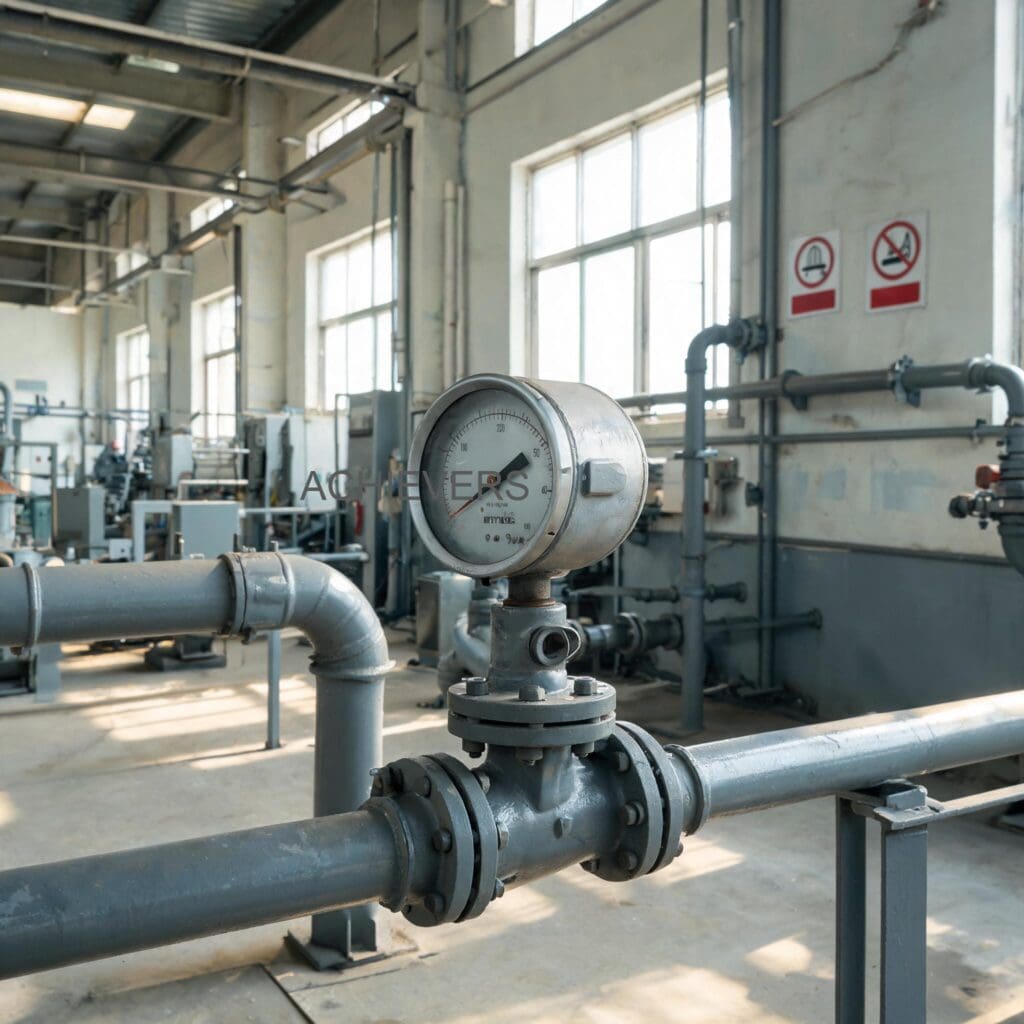
6. Extending Service Life in Indian Conditions
Operating in India brings unique environmental challenges that standard European or American maintenance manuals often overlook.
Managing High Ambient Heat: The 9×4 digit electronic counter can suffer from contrast fading under direct 45-degree Celsius summer sunlight. Always install a simple metallic weather canopy over the meter installation to protect the LCD/LED displays and prevent internal fuel expansion from skewing volumetric readings.
Combating Monsoon Humidity: High humidity environments cause rapid oxidation of electronic terminals. Annually apply a dielectric conformal coating to the exposed PCB connections inside the display head. Ensure cable entry glands are tightened securely with rubber grommets to prevent water ingress during heavy rains.
Power Quality and Voltage Fluctuations: For meters wired into site mains rather than battery power, Indian industrial estates are notorious for voltage spikes. Install a localized surge protector or voltage stabilizer on the dispensing circuit. A power surge can scramble the totalizer memory or fry the main circuit board.
Handling Dirty Fuel: Indian diesel, especially when transported in older road bowsers, often contains rust scale and water. Do not rely solely on the meter's internal strainer. Install a dedicated 10-micron water-absorbing particulate filter directly upstream of the meter.
अक्सर पूछे जाने वाले प्रश्न
Q: How often must I calibrate my industrial diesel meter in India?
A: For internal accounting, a quarterly calibration check using a standard 20L proving measure is recommended. If the meter is used for commercial custody transfer, it must be officially stamped and certified by the Department of Legal Metrology annually.
Q: What causes my 9×4 digit electronic counter to reset randomly?
A: Random resets are typically caused by voltage fluctuations, poor grounding at the installation site, or loose battery terminals vibrating during high-flow transfers. Check the wiring harness and ensure the pipeline is properly earthed.
Q: Can this meter handle high-viscosity biodiesel blends?
A: Yes. The meter is designed to be independent of viscosity within a range of 8 to 5000 mPas, making it highly suitable for standard diesel, biodiesel blends, and heavier fuel oils without losing the +/- 0.5% accuracy.
Q: Why is my meter under-registering the fuel transferred?
A: Under-registration usually points to internal fluid bypass. This happens when the internal measuring rotors or the chamber walls are severely worn down by abrasive particles, allowing fuel to slip past the gears without turning them.
Q: Do I need PESO certification for a private depot meter?
A: If the meter is integrated into an explosive/hazardous zone defined by the Petroleum and Explosives Safety Organisation (PESO), the equipment and its electrical enclosures must carry the appropriate flameproof/intrinsically safe certifications, even for private use.
Q: What is the maximum operating pressure allowed?
A: The equipment is rated for operating pressures up to 50 psi (3.5 bar). Exceeding this limit will cause catastrophic seal failure and potential rupture of the measuring chamber.
Q: How do I clean the strainer without spilling fuel on site?
A: Always use the upstream and downstream isolation valves to block flow, then utilize the line bleeder valve to depressurize the system into a small container. Place a wide drip tray under the flange before loosening the bolts.
To secure long-term reliability for your site's fuel transfer operations, you need equipment engineered for the reality of Indian industrial environments. Reach out to our technical team at Chintan Engineers with your required flow rates, pipe sizes, and site conditions, and we will configure the exact dispensing and measurement solution your facility needs.