
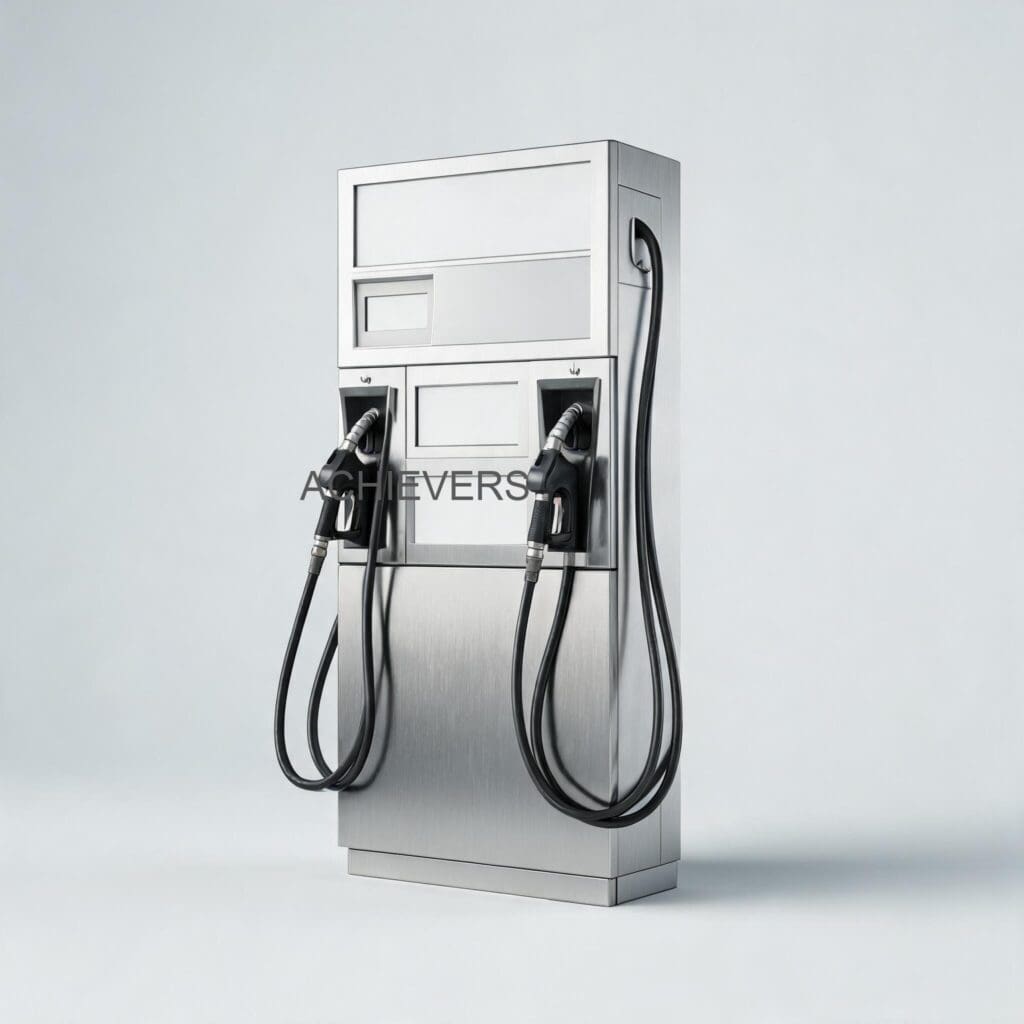
Indian industrial sites run on diesel. Whether you are operating a fleet of mining excavators in Odisha, running backup generators for a pharma plant in Baddi, or fueling forklifts in a logistics hub, diesel is one of your top recurring expenses. Yet, many plant managers and procurement heads still treat diesel handling like an afterthought, relying on gravity-fed drums, manual dipsticks, and basic logbooks.
This approach bleeds money. Unrecorded issues, daily pilferage, operator spillage, and inaccurate manual reconciliation cost Indian industrial operators lakhs of rupees annually. You cannot manage what you do not accurately measure. Upgrading to a professional, metered dispensing system is not just about modernization; it is about stopping revenue leakage at the source. This cost and ROI analysis breaks down exactly what it takes to own and operate a commercial-grade dispensing unit in India, and how quickly it pays for itself.
Quick Reference: TCO Readiness Checklist
- Does your site dispense more than 500 liters of diesel daily?
- Are you relying on manual logbooks for fuel reconciliation?
- Do you experience unexplained fuel shrinkage exceeding 1% per month?
- Is your current pump running without an air eliminator or micro-printer?
- If you answered yes to two or more, an automated dispensing setup is required.
Red Flag Warning:
Never install standard commercial fuel equipment without accounting for Indian site conditions. Voltage fluctuations will fry standard control boards, and un-filtered BS-VI diesel will destroy cheap flow meters. Always specify equipment with built-in power protection and high-capacity strainers.
1. उत्पाद का अवलोकन और लागत संदर्भ
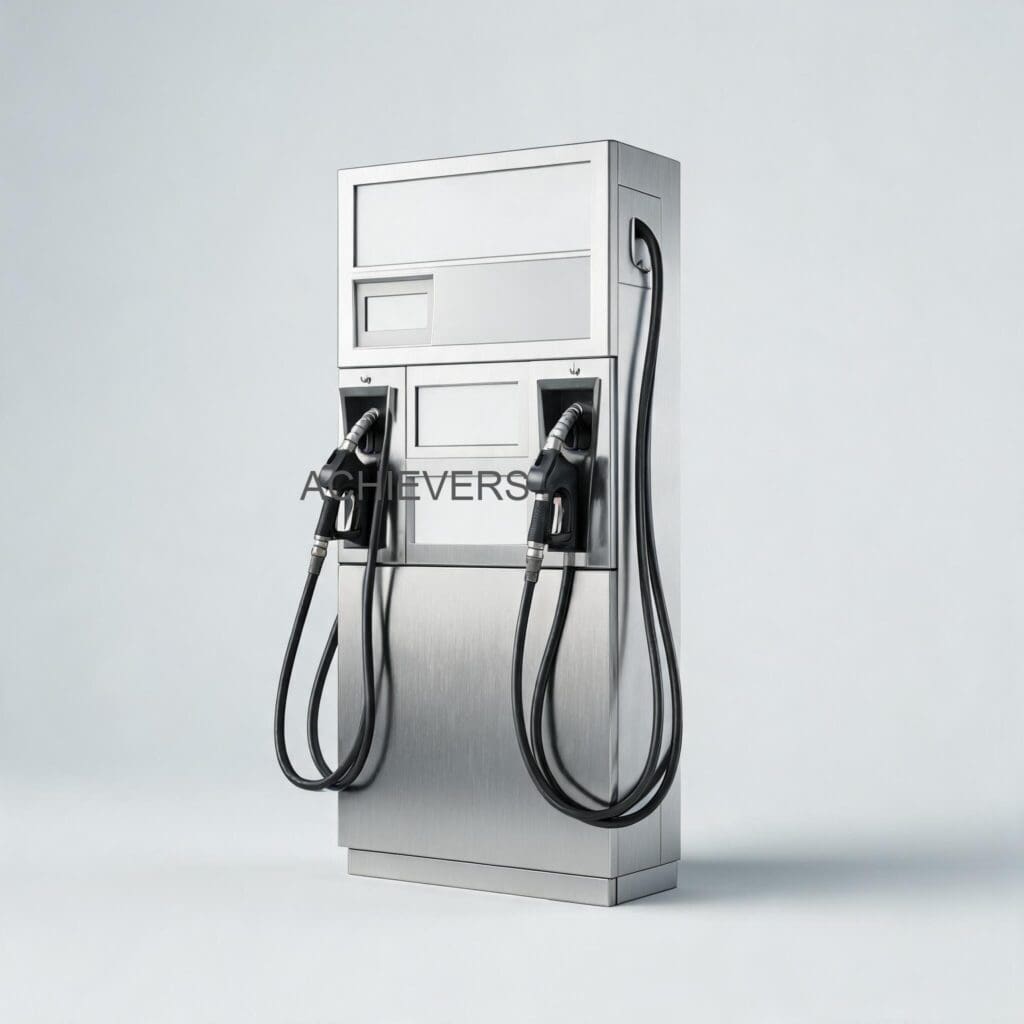
A ईंधन डिस्पेंसर is an independent, demountable fuel apportioning unit designed specifically for metered deliveries into plant equipment, generators, and vehicles. Unlike basic transfer pumps, a professional dispenser is a complete accountability system. It integrates an inlet strainer, a hydraulically driven high-flow internal rotary gear pump or vane pump, a positive displacement flow meter, and a crucial air eliminator.
Why does this matter for your bottom line? The air eliminator ensures the system only measures liquid, not fluid-gas mixtures, guaranteeing accurate billing and reconciliation. With integrated pre-set dispensing and instant printed receipts via a micro printer, operator manipulation is virtually eliminated. This unit locks down your fuel bay, ensuring every drop of ₹90/liter diesel is accounted for.
2. स्वामित्व की कुल लागत का विवरण
Evaluating the purchase on Capital Expenditure (Capex) alone is a procurement mistake. For Indian sites, Operating Expenses (Opex), downtime, and calibration costs define the true financial impact over a 5 to 7-year lifecycle.
| लागत घटक | सामान्य सीमा (INR) | आवृत्ति | नोट्स |
| — | — | — | — |
| Initial Equipment Capex | ₹85,000 – ₹2,50,000 | Once | Depends on flow rate, voltage (AC/DC), and printer inclusion. |
| Installation & Piping | ₹15,000 – ₹40,000 | Once | Includes foundation, electrical drops, and rigid pipe integration. |
| Annual Calibration | ₹5,000 – ₹12,000 | हर साल | Legal Metrology/PESO mandated stamping and verification. |
| Consumables (Filters) | ₹3,000 – ₹8,000 | द्वि-वार्षिक रूप | High-capacity strainers must be replaced due to dusty Indian sites. |
| Routine Maintenance | ₹10,000 – ₹20,000 | हर साल | AMC covers flow meter tuning, pump inspection, and hose checks. |
| Spares (Hose/Nozzle) | ₹8,000 – ₹15,000 | Every 2 years | 4-meter rubber hoses and auto-shutoff nozzles wear out with heavy use. |
| Energy/Power | ₹5,000 – ₹10,000 | हर साल | Nominal cost for running 220V AC or 24V DC electric pumps. |
| Expected Lifespan | 5 to 8 Years | N/A | Sturdy construction ensures long operational life if maintained properly. |
3. निवेश पर लाभ (आरओआई) की गणना: वास्तविक भारतीय उदाहरण
Let us look at a practical ROI calculation for an mid-sized construction site operating 10 heavy earthmovers, dispensing fuel from a mobile bowser or stationary tank.
- Establish Daily Consumption: The site consumes 2,000 liters of diesel per day.
- Determine Fuel Cost: At current Indian rates, assume ₹90 per liter. Total daily fuel value is ₹1,80,000.
- Calculate Current Losses: Using gravity feed and manual dipsticks, standard shrinkage (pilferage, spillage, over-dispensing) is conservatively 2%.
- Quantify Financial Loss: 2% of 2,000 liters is 40 liters lost daily. 40 liters x ₹90 = ₹3,600 lost every single day.
- Calculate Monthly Bleed: 30 days x ₹3,600 = ₹1,08,000 lost per month.
- Determine Investment Cost: A rugged ईंधन डिस्पेंसर with an integrated micro printer, high-accuracy PD flow meter, and auto-shutoff nozzle costs approximately ₹1,50,000 installed.
- Calculate Savings: By reducing shrinkage from 2% down to 0.1% (repeatability spec of the dispenser), the site saves 38 liters a day, or ₹1,02,600 per month.
- Determine Payback Period: ₹1,50,000 Capex / ₹1,02,600 monthly savings = 1.46 months. The equipment pays for itself in less than 45 days.
4. लागत तुलना: उपलब्ध दृष्टिकोण
How does a professional dispensing setup compare to other fueling methods used in Indian industry?
| दृष्टिकोण | Upfront Cost | Annual Maintenance | शुद्धता | Reliability | के लिए सर्वश्रेष्ठ |
| — | — | — | — | — | — |
| Manual Drum & Funnel | Under ₹5,000 | ₹0 | +/- 5.0% | कम | Small remote sites with sub-100L daily use. High risk of theft. |
| Gravity Feed + Mechanical Meter | ₹25,000 – ₹50,000 | ₹5,000 | +/- 2.0% | मध्यम | Sites without power. Cannot eliminate air, leading to false readings. |
| मानक ईंधन डिस्पेंसर | ₹1,00,000 – ₹2,00,000 | ₹15,000 | +/- 0.5% | उच्च | Mid-to-large factories, construction bowsers, heavy vehicle fleets. |
| Automated Fuel Management System | ₹3,000,000+ | ₹40,000+ | +/- 0.5% | उच्च | Massive mining fleets requiring RFID and cloud dashboard integration. |
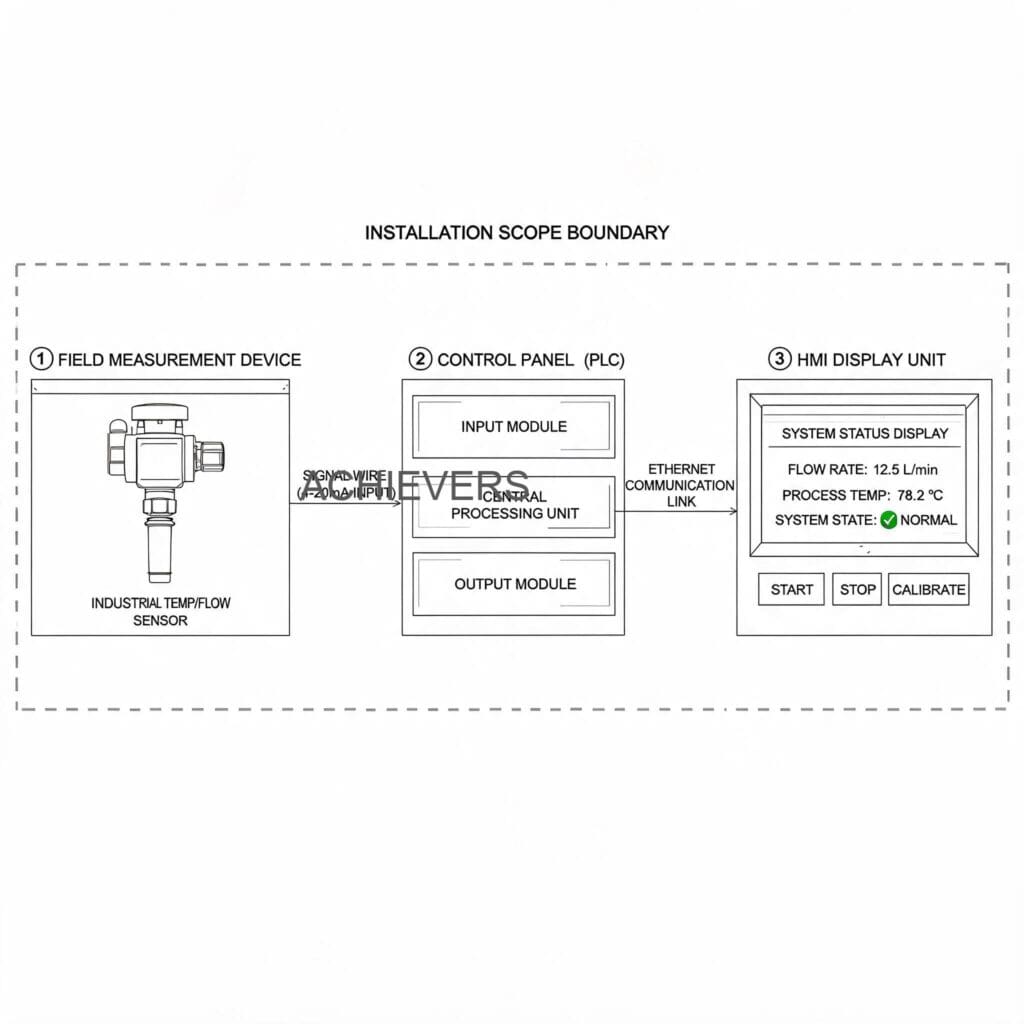
For heavily utilized transfer lines where basic recording is needed rather than full dispensing, a dedicated डीजल फ्लो मीटर can also be retrofitted to existing pumps, but lacks the pre-set controls and printing capabilities of a full dispenser.
5. बजट में शामिल करने योग्य छिपे हुए खर्च
When planning your procurement, watch out for these hidden costs specific to operating in India:
- Power Conditioning: Indian industrial grids suffer from severe voltage spikes. Operating a 220V AC dispenser without proper electrical grounding or stabilizers can fry the digital display and control board, costing ₹15,000+ to replace.
- Calibration Lab Access: To maintain the +/- 0.5% accuracy, annual calibration is required. Sites in remote areas (like mines in Chhattisgarh) must factor in the transport cost of bringing a certified Legal Metrology technician on-site.
- Contaminated Fuel Penalties: BS-VI diesel delivered in dirty tankers contains rust and sludge. If you bypass the dispenser's built-in large capacity filter, debris will jam the rotary gear pump or shear the positive displacement meter's internals.
- Untrained Operator Damage: Drivers pulling away with the nozzle still in the tank will snap the 4-meter rubber hose or damage the nozzle swivel. Budget for breakaways or keep spare hoses on hand.
- Monsoon Humidity: Water ingress during monsoons can damage micro printers if the dispenser is installed outdoors without a protective canopy. Always build a basic shed over stationary units.
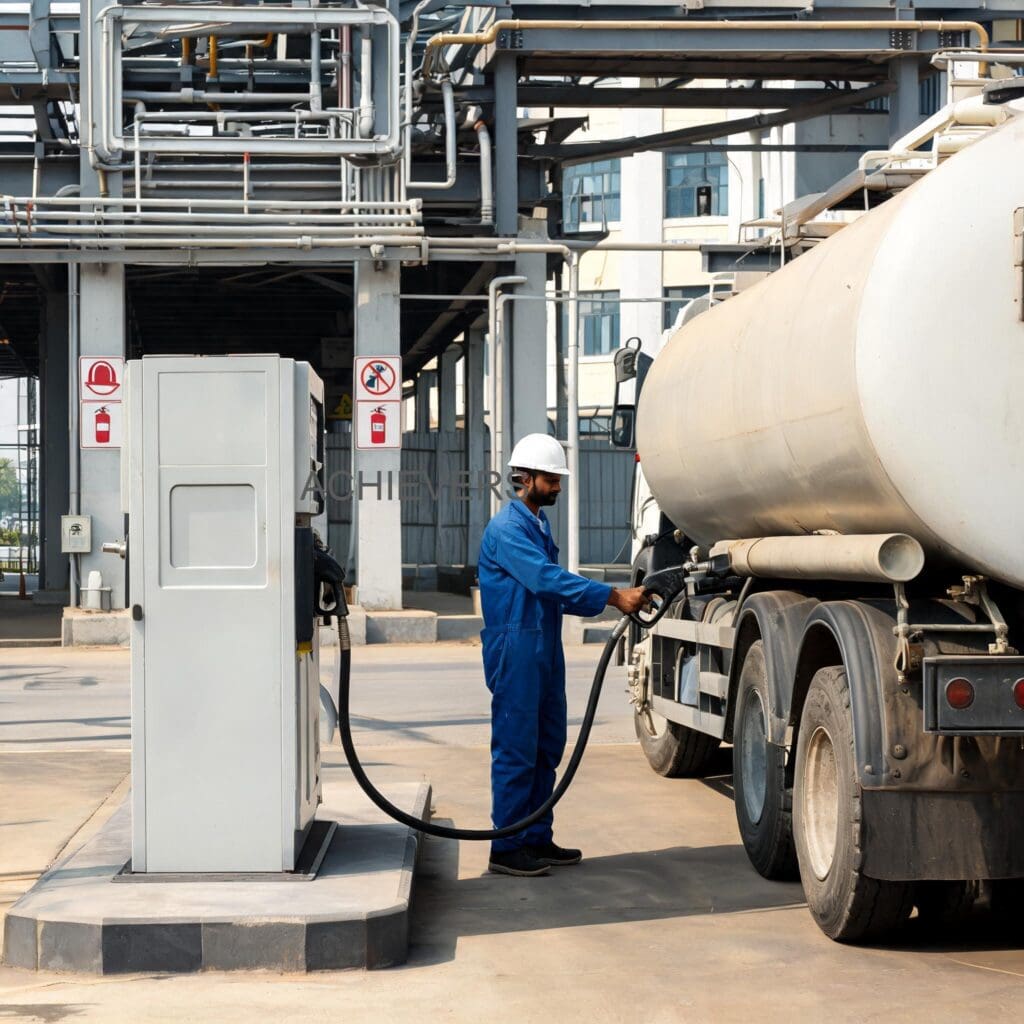
- Mobile Bowser Modifications: If converting a truck into a mobile dispensing unit, you must budget for installing an auxiliary gearbox P.T.O. to drive the internal vane pump, or upgrading the truck's battery system to support a heavy-duty 24V DC pump.
6. प्रबंधन के समक्ष खरीद को कैसे उचित ठहराया जाए
Getting budget approval for a high-quality dispenser requires moving the conversation from "buying a pump" to "investing in loss prevention." Use this workflow to build your business case:
- Audit Baseline Data: Track fuel purchases against machine run-hours for 30 days using your current manual method. Highlight the discrepancies.
- Highlight the Security Flaw: Point out that gravity feeds and basic mechanical meters do not have air eliminators. Management is currently paying for air bubbles as if they were diesel.
- Present the Automation Benefit: Emphasize the Pre-Set Dispensing feature. Operators enter 50 liters, and the auto-shutoff nozzle stops exactly at 50 liters. No over-filling.
- Show the Audit Trail: Explain that the instant micro-printer forces accountability. The driver must hand over a physical printed receipt matching the vehicle log.
- Calculate the Simple Payback: Use the ROI formula above to prove the equipment becomes free within 2 to 3 months purely through recovered shrinkage.
- Mention the Extended Lifespan: Note that industrial-grade rotary gear and vane pumps offer a longer operational life than cheap transfer pumps, reducing replacement Capex over the next 5 years.
Technical Specifications Reference
All figures are exact specifications for ensuring reliable fuel transfer in harsh industrial environments.
| विनिर्देश | Details |
| — | — |
| Pump Type | Internal Rotary Gear Pump or Vane Pump (Hydraulically driven or Electric) |
| प्रवाह दर | Up to 60 LPM for quick diesel filling |
| Accuracy / Repeatability | +/- 0.5% of reading / +/- 0.1% of reading |
| Power Options | AC 440V/220V or DC 24V/12V options |
| Delivery Hardware | 4 Meter Rubber Hose, Auto shutoff Nozzle standard |
| मीटरिंग तकनीक | Positive Displacement Flow Sensor with Air Eliminator |
| Controls | Large numeral backlit digital display, Resettable Batch & Cumulative Totaliser |
| गारंटी | 1 year + 2 year extended warranty on demand |
अक्सर पूछे जाने वाले प्रश्न
Q: Can this equipment be installed on a mobile truck for site deliveries?
A: Yes. The unit can be powered via an auxiliary gearbox P.T.O. that gives torque to the internal pump, or driven by a 12V/24V DC battery stream-charged from the vehicle's electrical system.
Q: Will the flow meter read air if the tank runs dry?
A: No. The compact measuring unit is equipped with a built-in air eliminator. This ensures the delivery measurement remains accurate even if a fluid-gas mixture enters the upstream delivery hose.
Q: How often do the internal filters need to be cleaned?
A: It depends on your fuel source quality, but inspecting and cleaning the built-in large capacity inlet strainer is recommended monthly. In heavily dusty environments or when using barrel-stored fuel, bi-weekly checks prevent flow restriction.
Q: Is the digital display visible during night shifts?
A: Yes. The system features a backlit digital display, making it exceptionally easy to use and read during night operations or in poorly lit plant environments.
Q: Does the system automatically stop when the tank is full?
A: Yes. It comes standard with an auto shutoff nozzle and features an auto stop capability for tank topping up, completely eliminating overflow spillage.
Q: Can we print receipts for external contractors filling up at our site?
A: Absolutely. The integrated micro printer provides instant printed receipts, detailing the exact batch dispensed. This is ideal for cross-charging contractors or auditing internal vehicle logs.
Q: What is the maintenance requirement for the internal rotary gear pump?
A: These high-capacity gear and vane pumps require minimal maintenance. Ensure the inlet strainer is clean to prevent cavitation, and perform an annual inspection of the seals and vanes.
Stop losing lakhs of rupees to manual fuel handling, unrecorded spillage, and inaccurate reconciliation. If you are ready to secure your site's diesel assets, contact us today with your required flow capacity, power availability (AC/DC), and specific site application. Let us engineer a fuel dispenser solution that pays for itself in months.