
Unaccounted diesel is lost revenue. When bulk fuel transfer reconciliation shows discrepancies at your facility, site operators bleed cash. Over-reading costs you inventory accuracy; under-reading hides potential theft or failing equipment. If your flow measurement is drifting, you cannot afford to wait for a technician to diagnose the basics.
This guide provides a rapid, technical field checklist to isolate why your ईंधन प्रवाह मीटर drifts high, runs low, or fails to repeat. Whether you are dealing with entrained air, viscosity shifts, installation errors, or worn internals, accurate diagnosis is the first step to restoring your reconciliation data.
1. Quick Reference: How Fuel Flow Meters Work
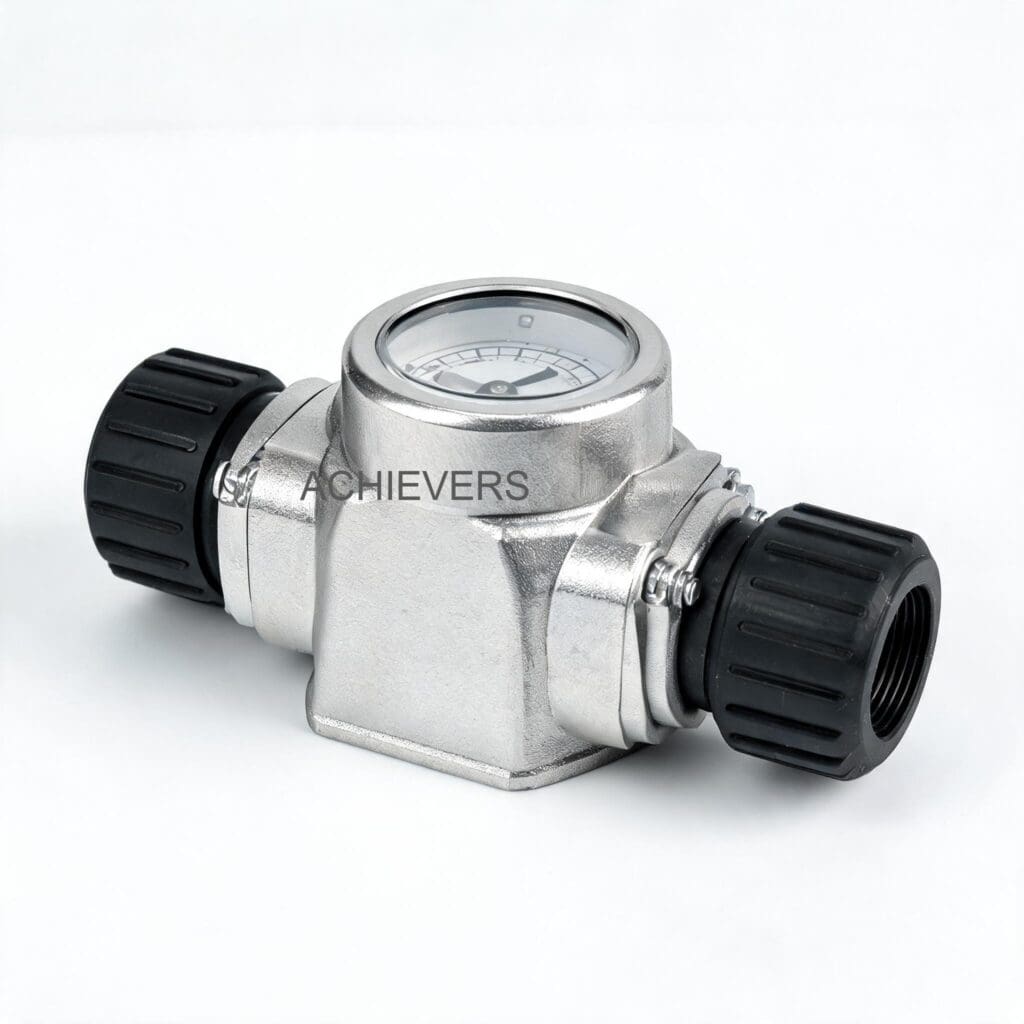
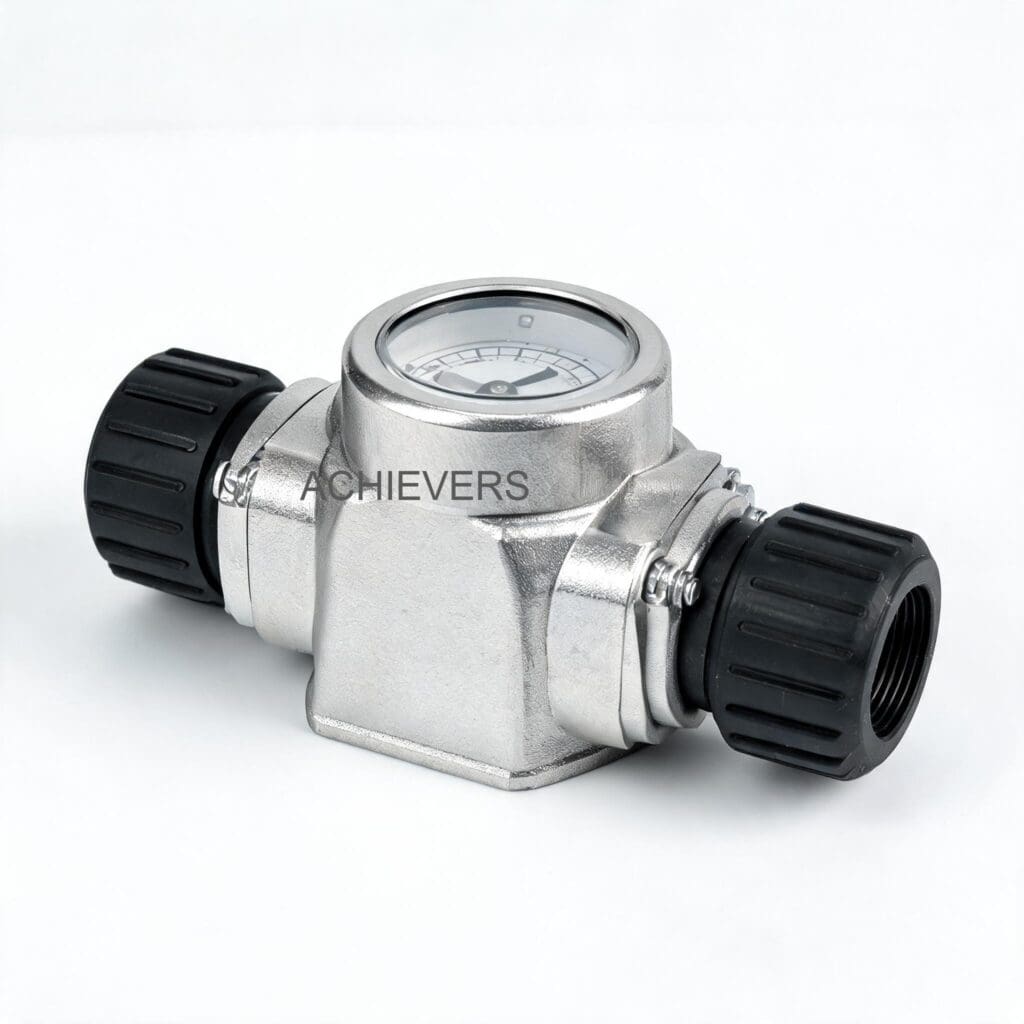
A ईंधन प्रवाह मीटर used in bulk diesel transfer is typically a positive displacement (PD) meter. It works by dividing the fluid into discrete, fixed volumes and counting them as they pass through a vacuum-sealed measuring chamber.
Because the digital ईंधन प्रवाह मीटर relies on self-lubricating gears and a leak-proof housing, it is highly sensitive to low flow rates and virtually unaffected by minor liquid density changes. However, any factors that change the physical volume passing through—like entrained air, extreme viscosity changes, or gear wear—will directly impact accuracy.
[Quick Reference] Initial Diagnostic Checklist:
- [ ] Verify the digital display is active and battery life is sufficient.
- [ ] Check the upstream strainer basket for debris or clogs.
- [ ] Confirm the flow rate is within the meter’s specified Min/Max range.
- [ ] Look for visible fuel leaks around flanges and the meter housing.
- [ ] Listen for abnormal grinding or cavitation noise in the line.
Technical Specifications for Baseline Verification
Before troubleshooting, ensure your system is operating within the manufacturer’s design parameters. Running outside these specs guarantees erratic readings.
| नमूना | Size | Min. Flow Rate | Max. Flow Rate | शुद्धता | repeatability | Max. Viscosity | Max. Operating Pressure |
| — | — | — | — | — | — | — | — |
| एलआई-ई-25 | 1" | 20 L/min | 200 L/min | ±0.5% | 0.03% | 1000 CPS | 3.4 MPa |
| एलआई-ई-40 | 1.5" | 25 L/min | 250 L/min | ±0.5% | 0.03% | 1000 CPS | 1.8 MPa |
| एलआई-ई-50 | 2" | 30 L/min | 300 L/min | ±0.5% | 0.03% | 1000 CPS | 1.8 MPa |
2. Troubleshooting Matrix
Use this matrix to trace symptoms back to their mechanical or electrical root causes.
| लक्षण | संभावित कारण | निदान के चरण | हल करना |
| — | — | — | — |
| Over-Reading (Drift High) | Entrained air in the liquid line | Check upstream suction for pinhole leaks or pump seal failure. | Install or service upstream air eliminator. Fix suction leaks. |
| Under-Reading (Drift Low) | Internal gear wear or fluid bypass | Verify liquid viscosity. Check for particulate damage to gears. | Replace internal rotors/gears. Recalibrate meter. |
| Zero Reading / Display Blank | Dead battery or power fault | Test battery voltage. Inspect PCB wiring connections. | Replace battery. Re-seat or replace display PCB. |
| Erratic Reading / Jumping | Signal interference or loose wiring | Check pulse output wire continuity and shielding. | Shield signal cables from high-voltage line interference. |
| Poor Repeatability | Flow rate below minimum threshold | Measure actual flow rate. Compare against 20-30 L/min minimum. | Resize meter or increase pump capacity to stay in range. |
| High Pressure Drop | Clogged strainer or high viscosity | Check differential pressure across meter. Measure fluid temp/viscosity. | Clean upstream strainer. Ensure fluid is below 1000 CPS. |
| Mechanical Noise/Grinding | Debris in measuring chamber | Isolate meter and safely inspect internal gears for foreign objects. | Remove debris. Install a proper Y-strainer upstream. |
| Leakage at Housing | Blown O-ring or over-pressurization | Check system pressure against 1.8/3.4 MPa limits. Inspect seals. | Replace seals. Install pressure relief valve in system. |
| Sensor Fouling | Sludge or paraffins on sensor | Inspect magnetic pickup or optical sensor for buildup. | Clean sensor face with approved solvent. |
| Valve Not Responding | Solenoid failure or signal loss | Test voltage at solenoid valve terminals during batching. | Replace solenoid coil or repair signal wire. |
3. चरण-दर-चरण क्षेत्र निदान प्रक्रिया
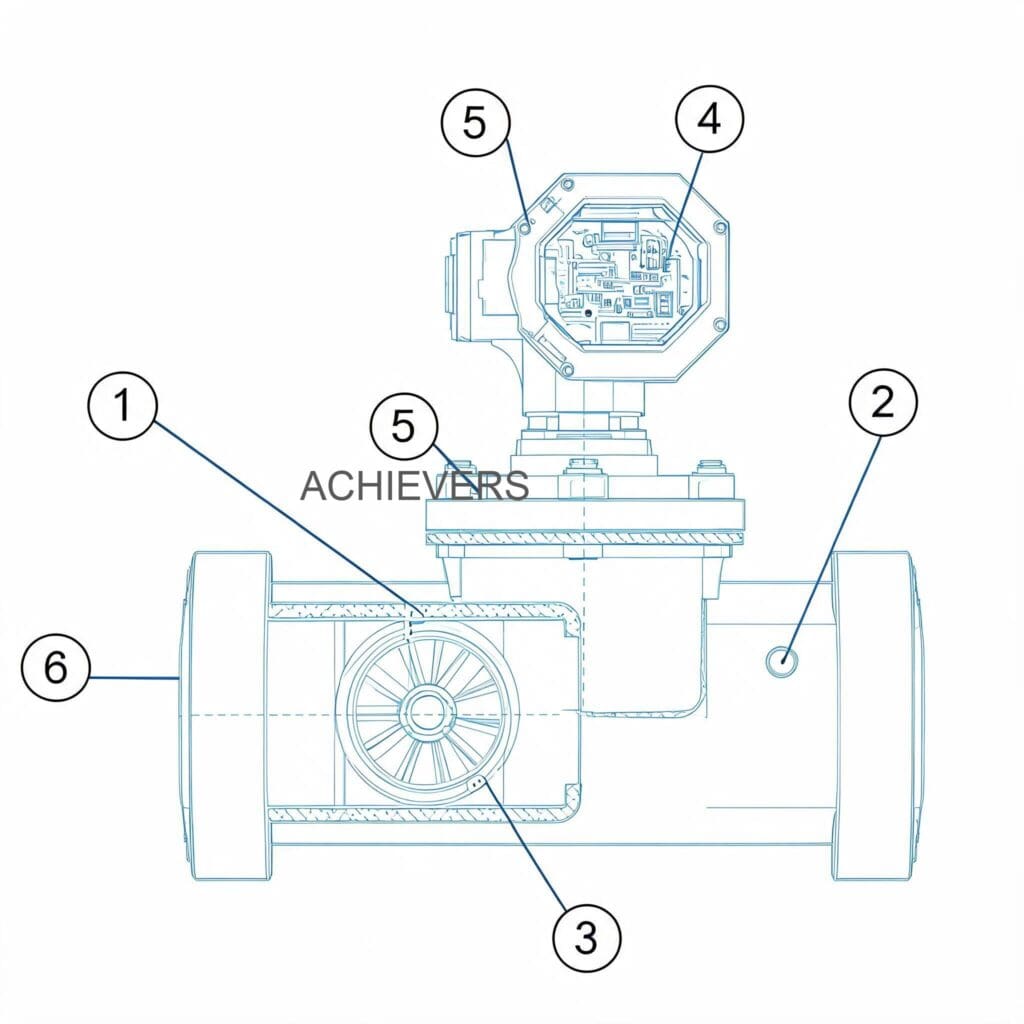
When your reconciliation data is off, follow this rigorous 8-step isolation procedure before unbolting the meter from the pipe.
- Verify Operating Parameters: Confirm that the system pressure does not exceed the meter's maximum rating (e.g., 1.8 MPa for 2-inch models) and the fluid viscosity is under 1000 CPS. Extreme cold can push diesel viscosity higher, causing pressure spikes.
- Inspect Power and Digital Output: For battery-operated units, verify the battery voltage. A low battery can cause screen flickering or missed pulses. For wired pulse outputs, check terminal connections for corrosion.
- Check the Upstream Strainer: Isolate the line, depressurize, and open the upstream strainer. A clogged strainer causes pressure drops, cavitation, and fluid flashing, leading to erratic volume measurements.
- Test for Entrained Air: Positive displacement meters measure volume, including air. If the meter over-reads, look for vortexing in the supply tank, failing pump suction seals, or a malfunctioning air eliminator.
- Conduct a Master Meter or Prover Test: Run a known volume of fluid (minimum 500 liters for bulk lines) into a certified volumetric prover or through a calibrated master meter at your standard operating flow rate.
- Calculate the Error Percentage: Use the formula: ((Meter Volume – Proved Volume) / Proved Volume) x 100. If the error is consistent (e.g., always +1.2%), recalibration is required. If the error is random (poor repeatability), you have mechanical wear or air issues.
- Inspect the Measuring Chamber: Lock out and tag out the line. Carefully remove the meter faceplate. Inspect the self-lubricating gears for scoring, missing teeth, or heavy sludge buildup.
- Verify System Backpressure: Ensure there is adequate backpressure downstream of the meter to keep the measuring chamber completely packed with liquid. Empty chambers cause freewheeling and massive over-reading.
4. Installation and Setup Errors That Cause Ongoing Problems
A perfectly functional meter will fail if installed incorrectly. Below are the most common piping and setup errors.
| Installation Error | लक्षण | सुधार |
| — | — | — |
| कोई वायु निष्कासनक नहीं | Consistent over-reading, random jumps | Install an air eliminator upstream, at the highest point before the meter. |
| Missing Strainer | Rapid internal wear, jammed gears | Install a mesh strainer (typically 40-80 mesh for diesel) directly upstream. |
| Oversized Meter | Poor repeatability, under-reading | Ensure normal flow is at least 30 L/min for a 2" meter. Downsize if necessary. |
| Proximity to Pump Vibration | False pulse generation, electrical noise | Isolate piping with flexible connections; ensure rigid mounting of the meter. |
| Lack of Downstream Valve | Meter drain-down, freewheeling | Install a downstream backpressure or check valve to keep the meter flooded. |
| Reverse Flow Installation | Negative totals, physical damage | Check directional arrows on the meter housing. Reinstall in the correct orientation. |
🚨 RED FLAG WARNING: If your meter suddenly over-reads by 5% to 15%, stop looking at the meter. You are almost certainly measuring air. Check upstream suction lines for pinhole leaks, empty tanks, or failing pump seals immediately. Positive displacement meters cannot distinguish between a liter of diesel and a liter of air.
5. Preventive Maintenance to Avoid Recurrence
Accuracy is maintained through strict preventative maintenance, not just reactive troubleshooting. Establish a rigid schedule to protect your assets.
- साप्ताहिक: Check for visible leaks around the flange seals. Verify the digital display is clear and updating smoothly.
- महीने के: Isolate and clean the upstream strainer basket. Even minimal debris can cause pressure drops that lead to fluid flashing.
- त्रैमासिक: Perform a repeatability bucket test or master meter verification. Check the battery voltage to ensure long-life performance.
- वार्षिक: Drain the meter and perform a full internal inspection. For sites with abrasive fluids, check the clearances between the gears and the housing. Recalibrate the meter to adjust for minor, normal mechanical wear.
If you are expanding your site, ensure your flow meters are properly paired with a high-quality डीजल डिस्पेंसर to guarantee accuracy from the tank to the nozzle.
6. When to Call Service vs. Fix Yourself
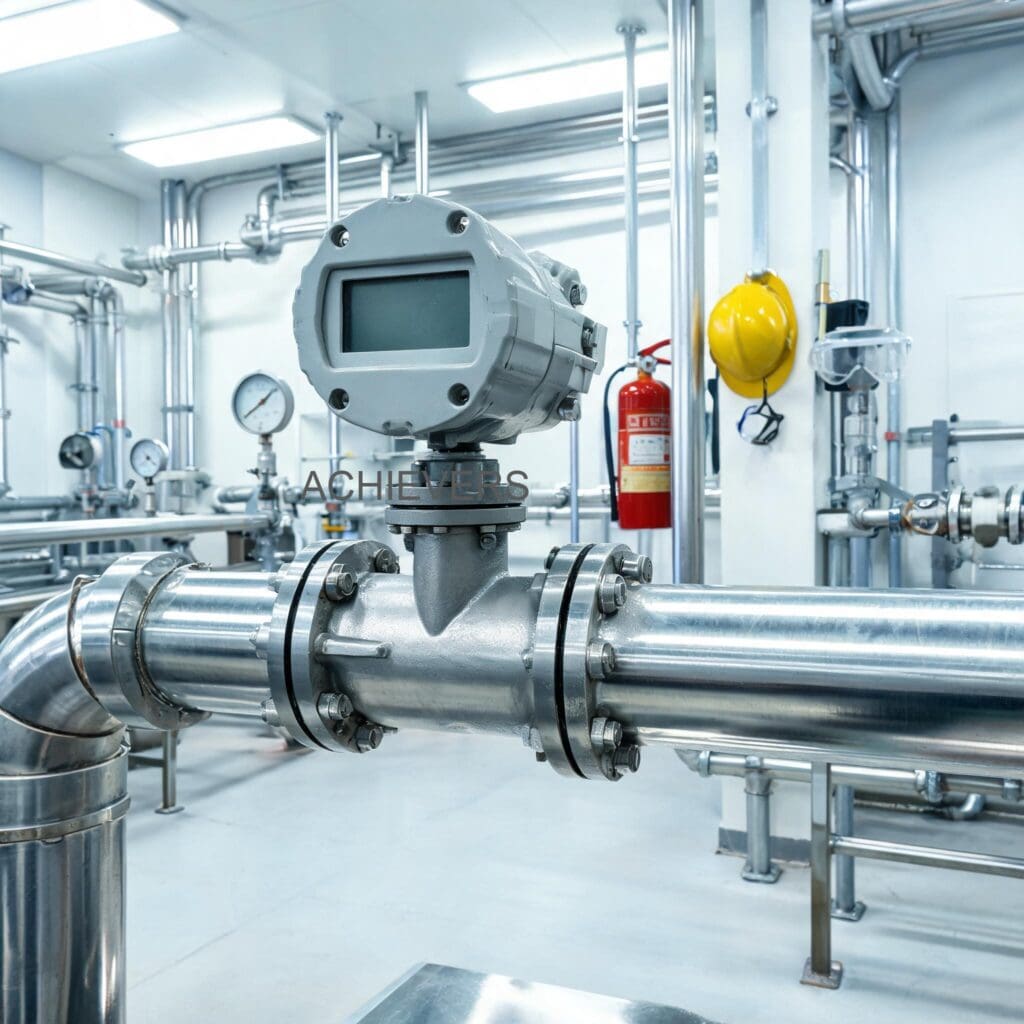
Knowing when to escalate an issue saves downtime.
Fix Yourself (Field-Level Maintenance):
- Cleaning blocked strainers.
- Replacing dead batteries or tightening loose terminal wires.
- Fixing upstream air leaks.
- Performing basic electronic calibration adjustments via the digital keypad.
Call Factory Service (Escalation Required):
- The meter fails to repeat accuracy within 0.03% during successive proving runs (indicates severe internal damage).
- Gears are physically seized or show deep scoring.
- The digital display PCB is burnt out or unresponsive.
- The meter requires certified calibration for custody transfer or regulatory compliance.
अक्सर पूछे जाने वाले प्रश्न
Q: Why does my fuel flow meter read zero but fuel is still flowing?
A: This usually indicates a broken mechanical linkage between the internal gears and the magnetic pickup, a dead battery on the digital display, or severed pulse output wiring.
Q: Can I use this meter for heavy oils as well as diesel?
A: Yes, provided the fluid viscosity does not exceed 1000 CPS and the operating pressure is within the rated limits (e.g., 1.8 MPa for larger sizes). However, highly viscous fluids will cause a higher pressure drop and may require recalibration.
Q: How often should I calibrate my diesel flow meter?
A: For internal industrial inventory tracking, annual calibration is standard. If the meter is used for custody transfer or operates in high-volume, continuous-duty environments, calibration every 6 months is recommended.
Q: Is it normal for the meter to show a different volume than my tank strapping table?
A: Minor variances are normal due to temperature differences (thermal expansion of diesel). However, consistent variance above 0.5% indicates the meter needs calibration or the tank table is inaccurate.
Q: What causes the gears inside the meter to lock up?
A: The most common causes are debris bypassing a missing or torn upstream strainer, or severe thermal shock causing metal expansion that binds the precision-machined gears.
Q: Does air in the line really cause over-reading?
A: Yes. Positive displacement meters measure physical volume. Entrained air takes up space in the measuring chamber just like liquid, meaning you will pay for air as if it were diesel.
Q: What is the minimum flow rate required for accurate measurement?
A: It depends on the size. A 1-inch model requires at least 20 L/min, while a 2-inch model needs 30 L/min. Operating below this causes fluid bypass and significant under-reading.
To lock down your fuel reconciliation and eliminate measurement errors, you need equipment designed for rigorous industrial conditions. If your current setup is drifting or failing, contact our technical team today with your fluid type, required flow rate, and operating pressure to find the exact dispensing and metering solution for your site.