
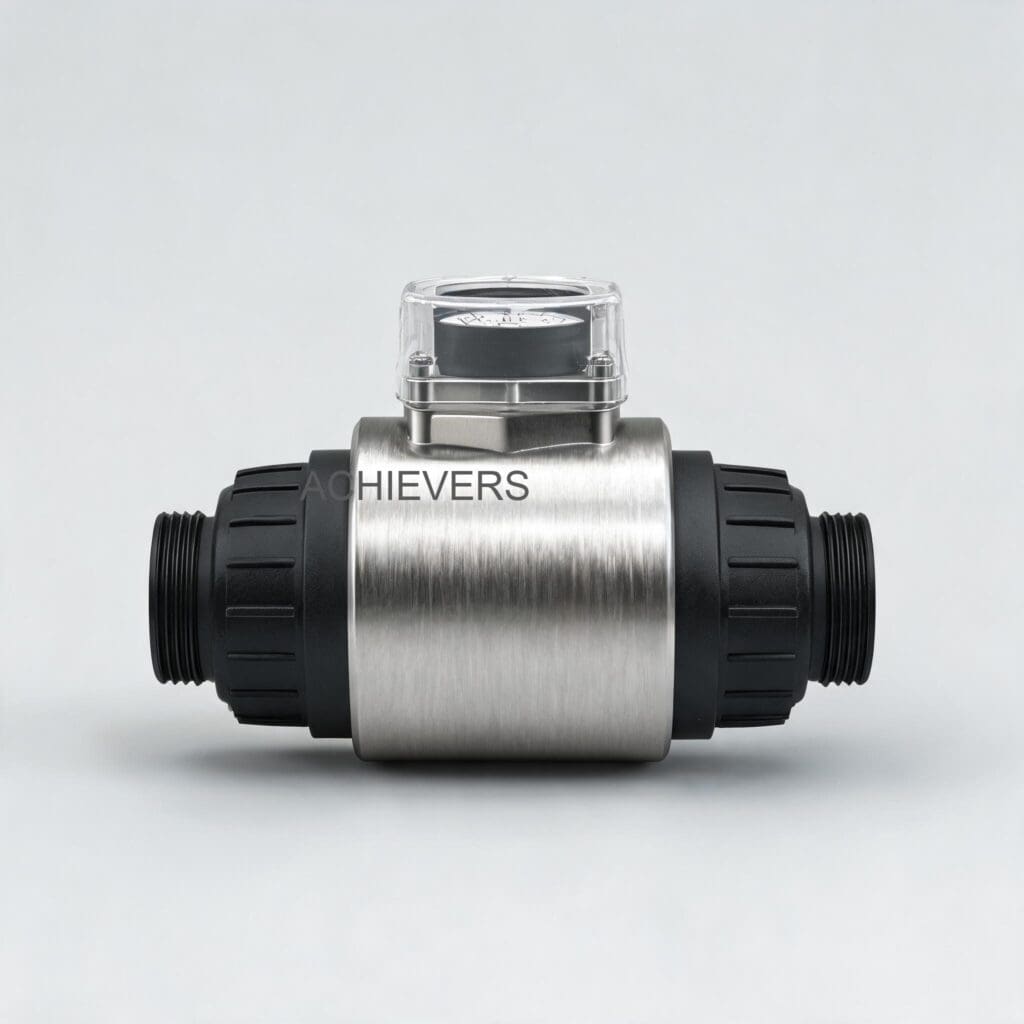
Choosing the wrong डीजल फ्लो मीटर for your bulk transfer lines doesn't just result in bad data—it causes unaccounted fuel losses, slows down tanker unloading operations, and leads to rapid equipment failure. Plant managers and procurement heads cannot afford guesswork when handling high-volume hydrocarbon transfers. If you want to know how to choose diesel flow meter for bulk diesel transfer line applications, you must match the instrument's accuracy class, pressure tolerance, and viscosity range directly to your site's operational parameters.
This guide cuts through the marketing noise. It shows industrial buyers exactly what to check before finalizing a purchase, flagging common engineering traps like air ingress, long suction lines, and dirty fuel that cause erroneous readings and costly rework across global industrial sites.
Quick Reference: Specifying a Meter in 60 Seconds
- द्रव श्यानता: Ensure compatibility (Standard range: 8-5000 mPas).
- शुद्धता: Target +/- 0.5% for bulk transfer and storage inventory.
- Line Size: Match your existing piping infrastructure (1/2" to 4" diameters).
- Max Pressure: Verify operating pressures do not exceed the 50 psi / 3.5 bar threshold.
- Output Needs: Determine if you need a visual electronic counter, remote pulse output, or ticket printing.
1. What Is a Diesel Flow Meter and What Does It Do
A डीजल फ्लो मीटर is a precision-engineered measurement device installed in fuel lines to quantify the exact volume of diesel, biodiesel, or solvents passing through a system. Widely used in process industries such as oil refining, power generation, mining, and petroleum storage, these instruments provide the critical data needed for inventory management and process control.
When reviewing diesel flow meter specifications for manufacturers, you must look at core performance metrics. The devices feature a cutting-edge design built for steady performance, minimal maintenance, and long operational life, making them highly demanded for global industrial applications.
| विनिर्देश | Technical Value | इंजीनियरिंग नोट्स |
| :— | :— | :— |
| Accuracy Class | +/- 0.5% | Suitable for commercial inventory and critical process control. |
| Size Range | 1/2" to 4" inch diameters | Flanged and threaded options available to match API piping. |
| Viscosity Range | 8 to 5000 mPas | Independent of viscosity within this broad operational band. |
| परिचालन दाब | Up to 50 psi / 3.5 bar | Ideal for low-to-medium pressure transfer and gravity drops. |
| Display Configuration | 9×4 digit Electronic Counter | Displays both current flow rate and totalised resettable flow. |
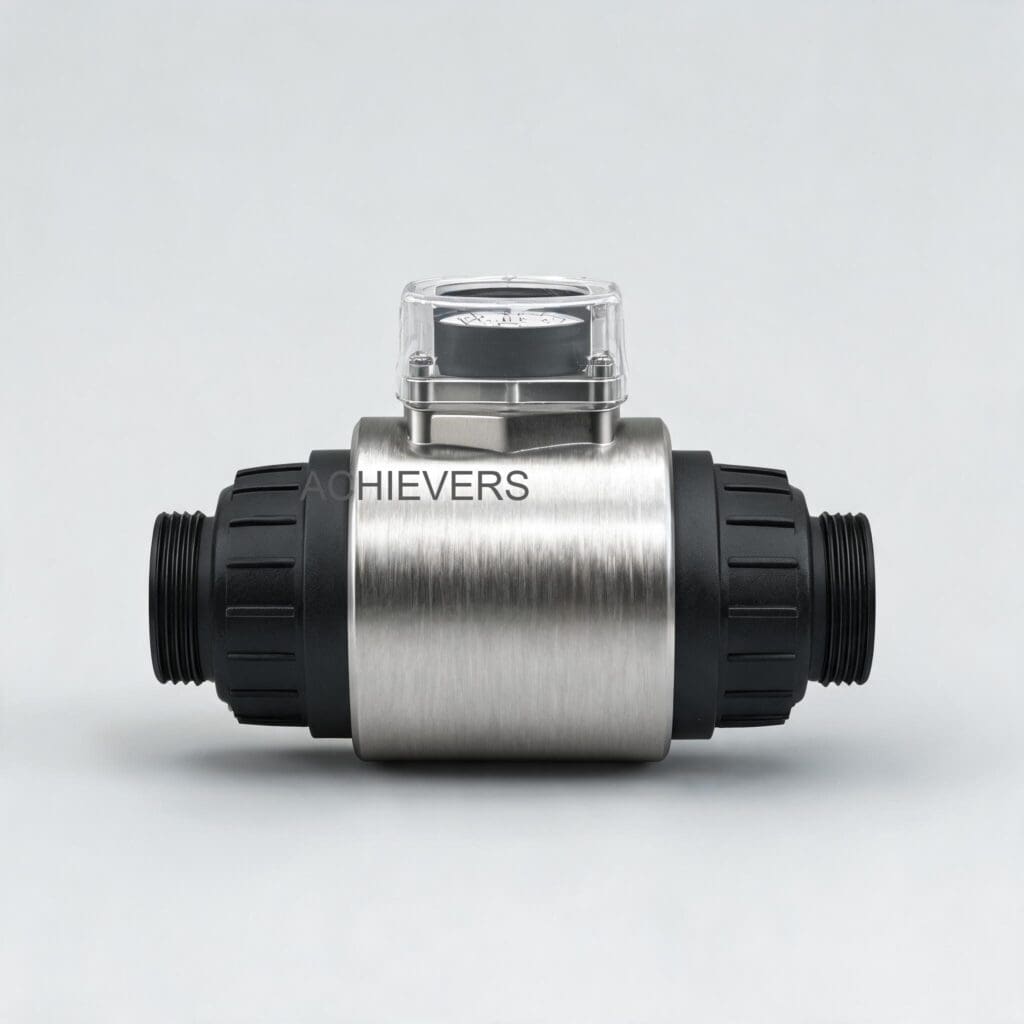
2. Key Selection Criteria for Global Industrial Buyers
Using an industrial diesel flow meter with pulse output selection guide approach, engineers must evaluate the following six criteria to ensure the meter survives harsh operating environments ranging from freezing offshore platforms to high-temperature desert mining facilities.
1. Viscosity Independence
Diesel properties change with ambient temperature. A drop in temperature increases fluid viscosity. Your selected meter must operate independently of viscosity fluctuations. Quality meters handle everything from light solvents (8 mPas) to heavy winter-grade biodiesels (up to 5000 mPas) without losing calibration.
2. Accuracy and Repeatability
For bulk tanker unloading, a small percentage error equals hundreds of liters of unaccounted fuel. Look for an accuracy of at least +/- 0.5%. Repeatability is equally crucial; the meter must deliver the same reading under identical conditions, day after day.
3. Operating Pressure Drop
Every meter introduces a pressure drop in the system. When sizing your meter for a ईंधन डिस्पेंसर or unloading pump, verify that the system can handle the restriction. Standard meters handle up to 3.5 bar (50 psi), which is ideal for standard transfer pumps but must be verified against your pump's discharge curve.
4. Line Sizing vs. Flow Rate
Never size a meter solely by the pipe diameter. A 4" pipe might be carrying a flow rate better suited for a 2" meter. Always size the meter based on the minimum and maximum expected volumetric flow rates.
5. Vibration Resistance
Meters mounted directly on skids, pumping stations, or near heavy diesel generators face constant mechanical fatigue. Specify high vibration resistance construction to prevent premature failure of the electronic counter and internal measuring mechanisms.
6. Data Outputs and Displays
Determine how operations will use the data. A 9×4 digit electronic counter is excellent for local, on-skid reading. If you require integration into a SCADA system or PLC, you will need a pulse output variant.
Red Flag Warning: Air Ingress in Unloading Lines
Tanker unloading often introduces large volumes of air into the system as compartments run dry. Flow meters cannot distinguish between air and liquid. Failing to install an air eliminator before the meter will result in over-registering flow, meaning you pay for air instead of fuel.
3. मॉडल और वेरिएंट की तुलना
Because industrial requirements vary, डीजल फ्लो मीटर systems are available in several configurations to match specific operational demands.
| Variant / Configuration | मुख्य विशेषता | सर्वोत्तम औद्योगिक अनुप्रयोग |
| :— | :— | :— |
| High Accuracy Electronic | 9×4 digit resettable counter, +/- 0.5% | Standard bulk storage, general process transfer. |
| Flange Type Meter | Industrial flange connections (up to 4") | High-volume pipeline integration and refinery transfer. |
| Ticket Printer Model | Integrated mechanical print head | Custody transfer, remote commercial delivery verification. |
| Biodiesel Specification | Specialized seals for corrosive biofuels | Biodiesel blending, chemical plants, sustainable power gen. |
4. Common Mistakes Engineers Make When Choosing
Even experienced procurement teams fall into specification traps. Avoid these five critical errors when designing your fluid transfer system:
- Ignoring Fluid Cleanliness: Installing a high-accuracy positive displacement meter without a heavy-duty upstream strainer. Solid particulates, rust, and scale from old storage tanks will score the measuring chamber and destroy accuracy within weeks.
- Undersizing the Suction Line: Placing the meter too close to the pump suction with restrictive piping. This causes cavitation. The vapor bubbles act like air, causing the meter to over-read and rapidly wearing out internal components.
- Over-Pressurizing the Housing: Exceeding the 50 psi / 3.5 bar limit during hydraulic shock (water hammer). Fast-acting valves closing downstream of the meter can spike pressures and crack the housing.
- Poor Installation Geometry: Failing to provide adequate straight pipe runs before and after turbine-style meters. While positive displacement meters are more forgiving, turbulent flow profiles still negatively impact long-term precision.
- Neglecting Environmental Protection: Selecting a standard display for highly corrosive environments (like coastal water treatment plants or chemical refineries) without verifying IP ratings or ATEX/CE certifications for hazardous zones.
5. पूछताछ विनिर्देश चेकलिस्ट
When you are ready to buy diesel flow meter for tanker unloading or factory integration, compiling a complete data sheet guarantees you get the right equipment. Follow this step-by-step checklist when contacting your manufacturer:
- द्रव संरचना: Specify the exact fluid (e.g., standard diesel, B20 biodiesel, industrial solvent).
- श्यानता सीमा: Provide the operating viscosity in mPas (ensure it falls within the 8-5000 mPas range).
- प्रवाह दर पैरामीटर: State the absolute minimum, normal operating, and maximum flow rates.
- परिचालन तापमान: List the minimum and maximum ambient and fluid temperatures.
- Operating Pressure: Confirm the standard continuous pressure and maximum potential surge pressure (must be < 3.5 bar).
- Pipe Connections: Specify the pipe diameter (1/2" to 4") and connection type (threaded or flanged).
- Readout Requirements: Indicate if you need the 9×4 digit electronic counter, totaliser, or additional features like a ticket printer.
- स्थापना वातावरण: Note if the environment has high vibration, requires specific intrinsically safe ratings, or requires integration with a ईंधन प्रवाह मीटर network.
अक्सर पूछे जाने वाले प्रश्न
Q: Does viscosity affect the accuracy of the meter?
A: No, high-quality meters designed for this application operate independently of viscosity. They maintain their +/- 0.5% precision whether handling thin solvents at 8 mPas or thick, cold biodiesel at 5000 mPas.
Q: Are you a diesel flow meter supplier in India for industrial fuel handling globally?
A: Yes, Chintan Engineers manufactures and supplies highly durable flow meters and pumps from India to a global clientele, including markets in Europe, Africa, the Middle East, and Asia-Pacific.
Q: Can this meter handle high-vibration environments like mining generators?
A: Absolutely. The design incorporates high vibration resistance, ensuring the electronic counter and internal mechanisms remain stable and accurate even when skid-mounted next to heavy industrial machinery.
Q: What happens if the line pressure exceeds 3.5 bar (50 psi)?
A: Exceeding the maximum rated operating pressure can lead to casing deformation, seal failure, and fluid leakage. If your system operates above 3.5 bar, you must specify a high-pressure variant or regulate the pressure upstream.
Q: Do I need a straight run of pipe before the meter?
A: For positive displacement technologies, straight pipe runs are generally not as critical as they are for turbine meters. However, installing the meter in a section of pipe with minimal turbulence ensures maximum lifespan and accuracy.
Q: How often should the 9×4 electronic counter be calibrated?
A: While the meter features a highly strong and durable construction, annual calibration is an industry standard for custody transfer and bulk tanker unloading to verify it remains within the +/- 0.5% precision threshold.
Q: Is it safe to use this meter for biodiesel blends?
A: Yes, specific Biodiesel Flow Meter variants are available. You must specify that you are pumping biodiesel during the enquiry so the correct internal seals and materials are selected to prevent chemical degradation.
To stop fuel losses and upgrade your fluid transfer efficiency, you need equipment engineered for the reality of your site. Contact our technical sales team today with your fluid type, required flow rate, and pressure specs, and we will configure the exact Diesel Flow Meter your operation demands.