
Quick Reference: TCO & ROI Checklist for Plant Managers
- [ ] Baseline current unmetered diesel loss (assume 1-3% shrinkage).
- [ ] Factor in upstream filtration (Y-strainers) to protect meter gears.
- [ ] Calculate daily throughput vs. required meter flow rate (20L/min to 300L/min).
- [ ] Include Legal Metrology stamping and PESO certification costs.
- [ ] Budget for annual calibration and AMC.
- [ ] Determine simple payback period (Target: < 4 months).
Most industrial procurement teams in India make a critical mistake when buying diesel dispensing equipment: they fixate entirely on the initial purchase price. When you are managing a site in Gujarat processing 5,000 liters of diesel daily or running backup generators in a Tamil Nadu manufacturing plant, a cheap, inaccurate meter will cost you thousands of rupees a week in unrecorded shrinkage.
True total cost of ownership (TCO) goes far beyond the invoice. It includes installation, filtration, annual calibration, and downtime. This analysis breaks down the true lifetime costs versus the hard financial savings of installing an industrial-grade ईंधन प्रवाह मीटर, giving you a blunt, actionable payback framework to justify the capital expenditure to your finance and audit teams.
1. उत्पाद का अवलोकन और लागत संदर्भ
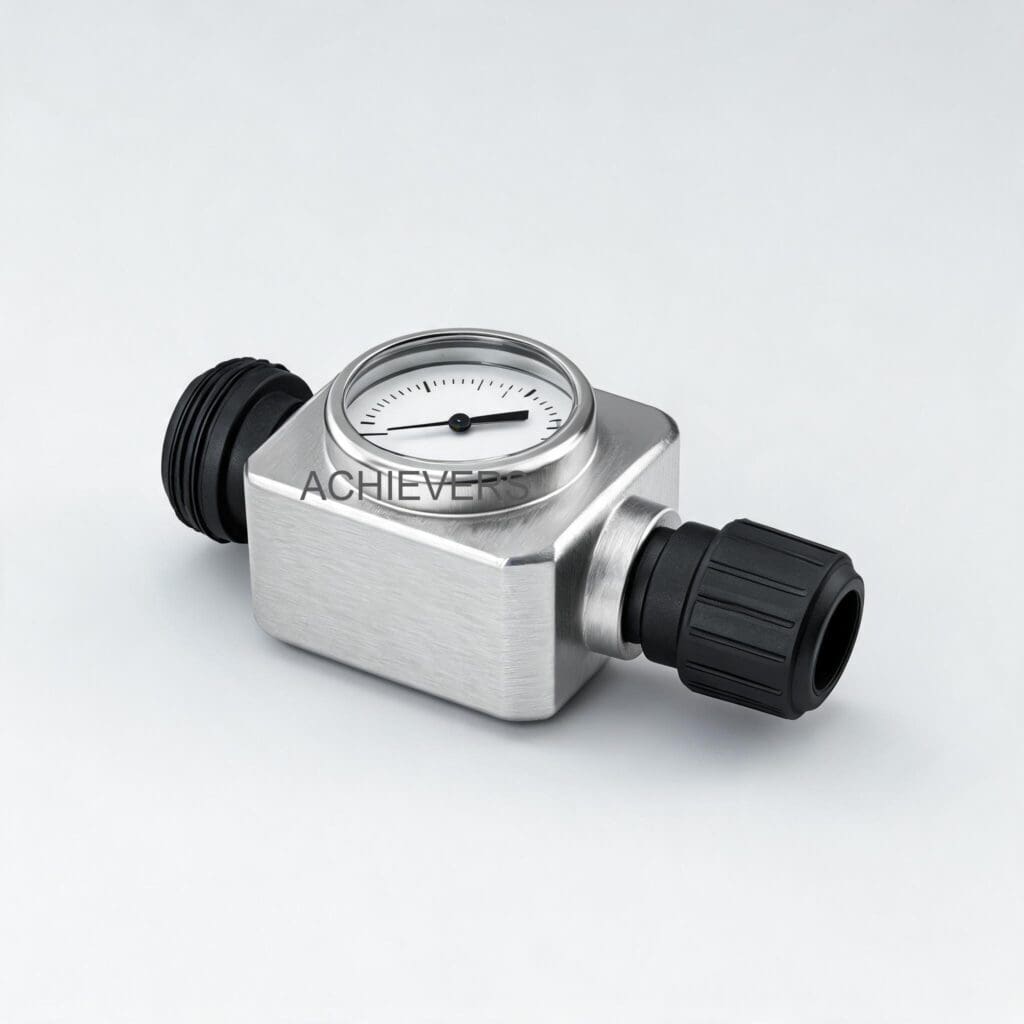
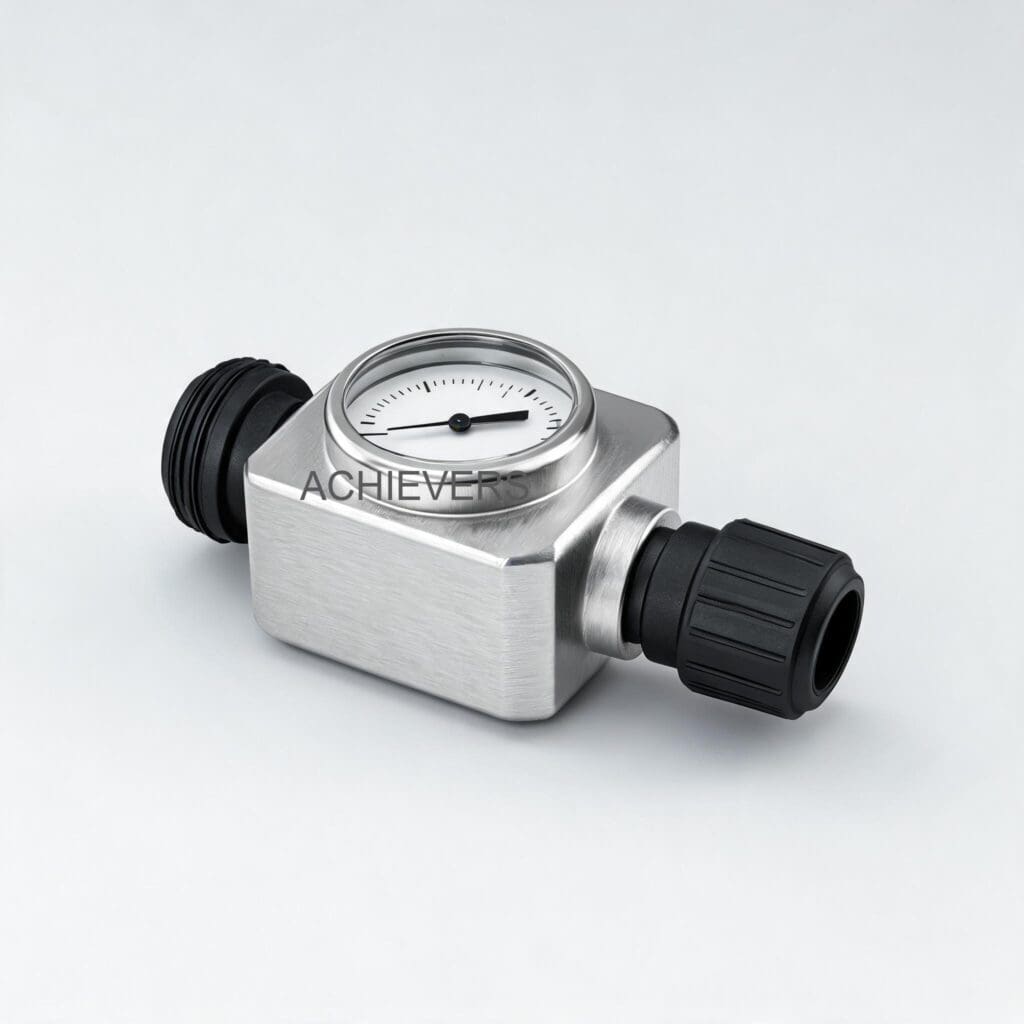
A digital positive displacement ईंधन प्रवाह मीटर is engineered to measure the exact volumetric flow of diesel in transfer lines. Unlike manual dipsticks or cheap turbine meters that suffer in India's hot and dusty conditions, these meters provide highly precise readings (±0.5% accuracy) regardless of fluid viscosity changes or pressure drops.
When dealing with diesel priced around ₹90 per liter, precision is non-negotiable. Positive displacement technology uses self-lubricating gears to trap and measure fixed volumes of fluid, ensuring zero slippage. Features like vacuum-sealed, leak-proof housings, low head loss, and a dry totalizer ensure the unit survives harsh industrial environments without constant recalibration.
Below are the operational specifications for the digital positive displacement meters you will evaluate for your transfer lines:
| विनिर्देश | Model: LI-E-25 | Model: LI-E-40 | Model: LI-E-50 |
| — | — | — | — |
| लाइन आकार | 1 इंच | 1.5 Inch | 2 Inch |
| Min. Flow Rate | 20 L/min | 25 L/min | 30 L/min |
| Max. Flow Rate | 200 L/min | 250 L/min | 300 L/min |
| शुद्धता | ±0.5% | ±0.5% | ±0.5% |
| repeatability | 0.03% | 0.03% | 0.03% |
| Max Viscosity | 1000 CPS | 1000 CPS | 1000 CPS |
| Max Operating Pressure | 3.4 MPa | 1.8 MPa | 1.8 MPa |
2. स्वामित्व की कुल लागत का विवरण
To calculate TCO over a standard 5-year lifecycle in an Indian industrial setting, you must account for all operational variables. Here is the true lifetime cost breakdown.
| लागत घटक | सामान्य सीमा (INR) | आवृत्ति | नोट्स |
| — | — | — | — |
| Upfront Purchase Price | ₹25,000 – ₹85,000 | Once | Varies by line size (1", 1.5", 2") and model. |
| Installation & Commissioning | ₹5,000 – ₹12,000 | Once | Mechanical fitting, flange alignment, and initial dry-run. |
| Legal Metrology & PESO | ₹3,000 – ₹8,000 | हर साल | Mandatory Govt of India stamping for commercial dispensing. |
| Initial & Periodic Calibration | ₹4,000 – ₹10,000 | हर साल | Third-party NABL lab calibration to maintain ±0.5% accuracy. |
| Consumables (Filters/Strainers) | ₹2,000 – ₹6,000 | Bi-Annually | Crucial for Indian diesel; prevents gear jamming from particulate. |
| वार्षिक रखरखाव अनुबंध (एएमसी) | ₹8,000 – ₹15,000 | हर साल | Preventative maintenance, gear inspection, and battery replacement. |
| Downtime & Spares Allocation | ₹10,000 – ₹20,000 | Per Event | Budgeting for operational delay if O-rings or digital displays fail. |
| Lifespan Replacement Cost | ₹25,000 – ₹85,000 | Every 5-7 Years | End of lifecycle hardware replacement assuming heavy daily use. |
3. निवेश पर लाभ (आरओआई) की गणना: वास्तविक भारतीय उदाहरण
Let’s apply these numbers to justify the investment. Assume a food processing plant in Maharashtra consumes 3,000 liters of diesel daily for power generation and boiler operations. They currently rely on manual tank dips.
- Baseline Current Consumption: The plant processes 3,000 liters of diesel per day.
- Quantify the Error Rate: Manual dipsticks and uncalibrated analog meters typically yield a 2% measurement error due to temperature expansion and human error.
- Calculate Daily Volumetric Loss: 3,000 liters x 2% error = 60 liters of unrecorded or wasted diesel daily.
- Calculate Daily Financial Leak: 60 liters x ₹90/liter = ₹5,400 lost per day.
- Determine Annual Loss Before Intervention: ₹5,400 x 300 operational days = ₹16,20,000 annual loss.
- Apply the Solution: Plant installs a 1.5" digital ईंधन प्रवाह मीटर (Model LI-E-40) with an accuracy of ±0.5%.
- Calculate New Loss Rate: 3,000 liters x 0.5% error = 15 liters daily loss. (Financial leak reduced to ₹1,350/day).
- Calculate Savings and Payback: Daily savings equals ₹4,050. If the total installed cost of the meter and accessories is ₹65,000, the simple payback period is exactly 16 operational days. Everything after day 16 is pure profit added to the bottom line.
Red Flag Warning: Do not pipe diesel directly from a rusty storage tank into a high-precision positive displacement meter. The abrasive rust particles will chew up the self-lubricating gears within months. Always install a 100-micron Y-strainer directly upstream of the meter inlet.
4. लागत तुलना: उपलब्ध दृष्टिकोण
When presenting options to the procurement board, they will ask why cheaper alternatives aren't viable. Use this comparison to prove why digital positive displacement is the most cost-effective over time.
| दृष्टिकोण | Upfront Cost | Annual Cost | शुद्धता | Reliability | के लिए सर्वश्रेष्ठ |
| — | — | — | — | — | — |
| Manual Dipstick/Sight Glass | ₹500 – ₹2,000 | High (Losses) | ±2.0% – ±5.0% | Low (Human Error) | Rough estimates on small, non-critical tanks. |
| Mechanical Analog Meter | ₹8,000 – ₹18,000 | मध्यम | ±1.0% – ±2.0% | मध्यम | Low-volume gravity feed systems. |
| Standard Turbine Meter | ₹12,000 – ₹30,000 | High (Calibration) | ±1.0% | Low (Fails on thick fluids) | Clean, low-viscosity chemicals only. |
| Digital Positive Displacement | ₹25,000 – ₹85,000 | कम | ±0.5% | Very High | Heavy industrial diesel transfer lines. |
If you are upgrading an entire fueling bay for a transport fleet, consider integrating this meter directly into a complete डीजल डिस्पेंसर setup to automate pump control and metering simultaneously.
5. बजट में शामिल करने योग्य छिपे हुए खर्च
Indian site conditions are harsh. Budget for these specific hidden costs to ensure your Fuel Flow Meter survives its intended 5-7 year lifespan without catastrophic failure.
- Upstream Filtration Systems: Indian diesel often contains moisture, silica dust, and rust. You must install a dedicated filter or Y-strainer before the meter to protect the internal gears.
- Power Conditioning for Displays: Voltage fluctuations at rural plant sites will fry digital displays. If hardwiring the unit, budget for proper surge protection or rely on models with long battery life.
- Piping Modifications: Retrofitting a 2" LI-E-50 meter into an existing 1.5" line requires high-quality reducers, flanges, and welding labor to ensure no turbulence affects the reading.
- Legal Metrology Stamping: If you are dispensing fuel to third-party contractors, the Weights and Measures department requires annual stamping and certification.
- NABL Calibration Logistics: Your meter must be calibrated against a master meter annually. Budget for the technician's travel or the cost to ship the unit to an accredited lab.
- Comprehensive AMC Contracts: Preventative maintenance is cheaper than downtime. A standard AMC will cover gear inspection, O-ring replacement, and accuracy verification before failures occur.
6. प्रबंधन के समक्ष खरीद को कैसे उचित ठहराया जाए
Getting sign-off from the plant head or finance director requires moving the conversation away from initial CAPEX and focusing strictly on risk mitigation and ROI. Follow this procedure:
- Audit Baseline Measurements: Gather 30 days of procurement invoices and match them against the actual output of your generators or fleet logs to prove the existing shrinkage gap.
- Quantify the Financial Bleed: Translate that 1-3% shrinkage into an exact INR figure per month.
- Present TCO vs. CAPEX: Show the board that a ₹50,000 meter with ₹15,000 in annual maintenance is far cheaper than losing ₹1.5 Lakhs annually to inaccurate analog systems.
- Highlight the ROI Timeline: Use the calculation from Section 3. An industrial equipment purchase that pays for itself in under 30 days is a guaranteed approval.
- Address Regulatory Risk: Emphasize that digital positive displacement meters provide the audit trails required for PESO compliance and ISO 9001 environmental audits.
- Focus on Uptime: Detail how self-lubricating gears and vacuum-sealed housings prevent the frequent breakdowns common with cheap mechanical meters, ensuring zero interruption to factory production.
अक्सर पूछे जाने वाले प्रश्न
Q: Will this meter handle high-viscosity diesel during cold winter mornings in North India?
A: Yes. Positive displacement meters are specifically designed to handle varying viscosities up to 1000 CPS without losing accuracy, unlike turbine meters which speed up or slow down based on fluid thickness.
Q: How often does the internal battery need replacement?
A: The digital displays are designed for long battery life, typically lasting 2 to 3 years depending on usage frequency. Battery replacement is a simple, low-cost maintenance task.
Q: Is calibration required immediately after installation?
A: While units come factory-calibrated, it is highly recommended to perform a site calibration during commissioning to account for your specific piping geometry, pump pressure, and fluid conditions.
Q: Can this handle contaminated fuel?
A: No precision meter should handle raw contaminated fuel. While the construction is sturdy, particulates will cause wear on the displacement gears. A micron filter must be installed upstream.
Q: What is the maximum operating pressure these meters can withstand?
A: The 1-inch model (LI-E-25) handles up to 3.4 MPa, while the 1.5-inch and 2-inch models safely operate up to 1.8 MPa, making them suitable for high-speed industrial transfer pumps.
Q: Does the meter lose its totalizer reading if the battery dies?
A: No. The advanced display features non-volatile memory. Your cumulative totalizer reading is permanently saved even during complete power loss or battery swaps.
Q: How do we fix the meter if the accuracy drops below ±0.5%?
A: Accuracy drops usually indicate gear wear or particulate buildup. A technician will clean the internal chamber, inspect the gears, and perform a software recalibration to bring it back to baseline.
Stop losing revenue to unmeasured shrinkage and analog guesswork. Upgrading your fuel lines directly translates to measurable profit, tighter inventory control, and reduced maintenance downtime. Contact Chintan Engineers today with your exact flow rate requirements and site conditions to get a tailored technical quote for your facility.