
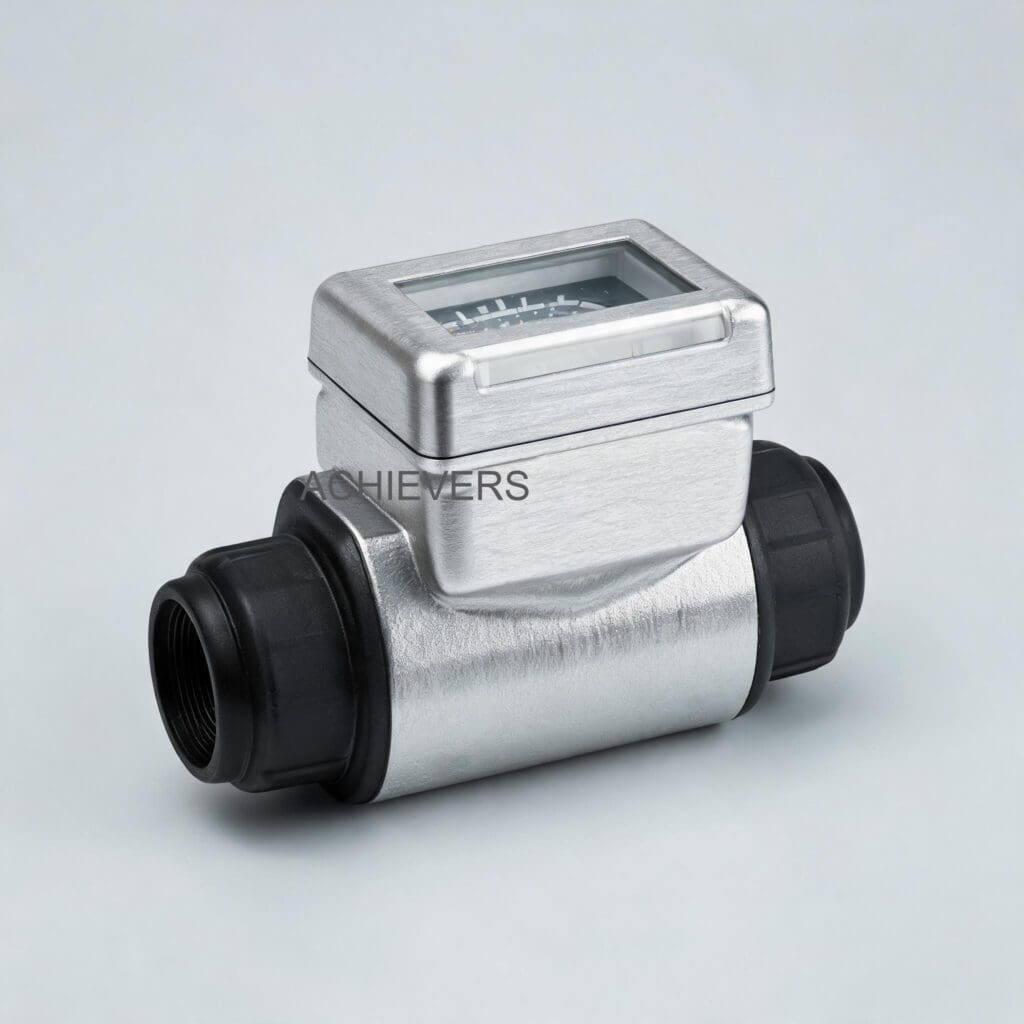
Industrial fuel management without precise reconciliation is a guaranteed financial leak. Relying on manual tank dipsticks, uncalibrated transfer pumps, or outdated volumetric estimates masks theft, hides leakage, and distorts your operational expenses. For fleet managers and plant operators handling thousands of liters daily, an undocumented 2% variance is not a rounding error—it is a massive hit to the bottom line. This analysis breaks down the total cost of ownership versus measurable savings from tightening your fluid reconciliation, proving why upgrading your infrastructure is not just a technical necessity but a strict financial imperative.
Whether you are managing a remote mining site in Western Australia, a chemical plant in Germany, or evaluating the diesel flow meter price and ROI in India for industrial buyers, the underlying mathematics of fuel loss remain universally unforgiving. Tighter tolerances yield immediate payback. This guide serves as a comprehensive diesel flow meter ROI calculator for industrial fuel lines, delivering the hard numbers required to justify capital expenditure to your procurement heads.
Quick Reference: Pre-Purchase Site Audit Checklist
- [ ] प्रवाह दर: Determine maximum and minimum flow rates (LPM) of your current pump system.
- [ ] Line Size: Verify existing pipe diameters (must match 1/2-inch to 4-inch meter availability).
- [ ] द्रव श्यानता: Confirm operating temperature and fluid viscosity (must be within 8-5000 mPas).
- [ ] सिस्टम दबाव: Ensure line pressure does not exceed 50 psi (3.5 bar).
- [ ] निस्पंदन: Confirm presence of upstream strainers to prevent rotor damage.
- [ ] डेटा आउटपुट: Decide between purely mechanical totals or electronic output (9×4 digit counter with ticket printer).
1. उत्पाद का अवलोकन और लागत संदर्भ
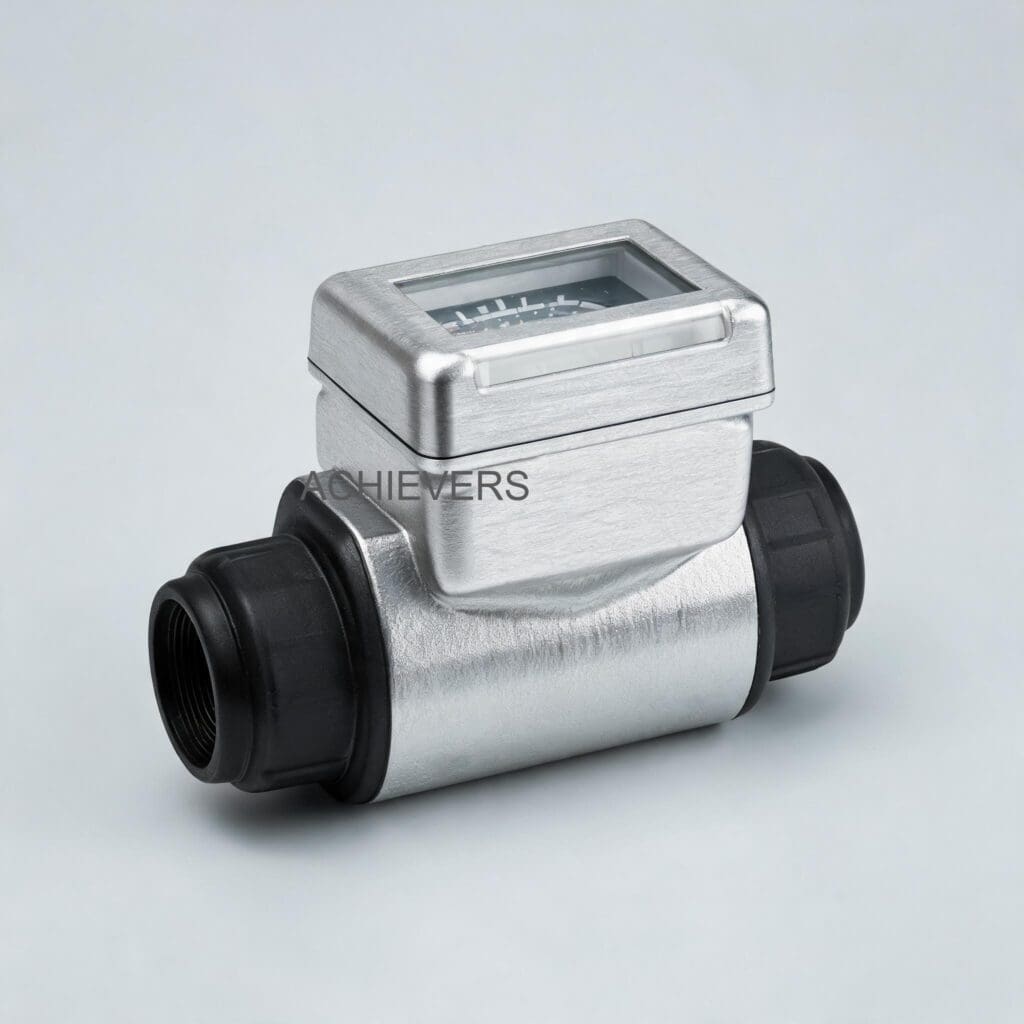
A डीजल फ्लो मीटर is a highly calibrated, positive displacement or turbine instrument engineered to measure the exact volume of fuel transferred between storage and consumption points. In high-stakes environments—such as petroleum refining, power generation, or food and dairy logistics—accuracy is paramount.
Unlike basic transfer pumps that rely on rough RPM calculations, a dedicated industrial diesel flow meter supplier for manufacturers provides equipment that physically isolates and counts precise fluid pockets. With an accuracy of +/- 0.5%, this hardware eliminates the "grey area" where pilferage and leakage hide. High vibration resistance, sturdy construction, and independence from viscosity fluctuations ensure long-term stability in punishing environments.
| विनिर्देश | Technical Parameter |
| — | — |
| शुद्धता | +/- 0.5% |
| Line Sizes | 1/2 inch to 4 inch diameters |
| Counter Display | 9×4 digit Electronic Counter (Flow Rate & Totalised) |
| परिचालन दाब | Up to 50 psi / 3.5 bar |
| Viscosity Range | 8 – 5000 mPas |
| Key Features | Resettable counter, high vibration resistance |
2. स्वामित्व की कुल लागत का विवरण
To buy diesel flow meter for fuel management and loss reduction, you must look beyond the initial purchase order. The diesel flow meter total cost of ownership and payback period depends on a combination of upfront CapEx and ongoing OpEx. Below is a realistic breakdown for an industrial-grade installation (using USD for global baseline comparison).
| लागत घटक | सामान्य सीमा (USD) | आवृत्ति | नोट्स |
| — | — | — | — |
| Hardware Purchase | $800 – $3,500 | वन टाइम | Varies by line size (1/2" to 4") and digital/printer accessories. |
| Installation & Piping | $300 – $1,200 | वन टाइम | Includes flange modifications, welding, and bypass line setup. |
| Ancillary Hardware | $200 – $600 | वन टाइम | Upstream strainers, air eliminators, and isolation valves. |
| Initial Commissioning | $150 – $400 | वन टाइम | Professional calibration to guarantee +/- 0.5% baseline accuracy. |
| Annual Calibration | $200 – $500 | वार्षिक | Required to maintain ISO/ATEX compliance and measurement integrity. |
| Consumables/Spares | $50 – $150 | वार्षिक | Printer tickets, O-rings, seals, and battery replacements for displays. |
| Routine Maintenance | $100 – $300 | वार्षिक | Labor for strainer cleaning, rotor inspection, and preventative checks. |
| Downtime (Installation) | $500 – $2,000 | वन टाइम | Operational cost of halting fuel transfer for 4-8 hours during integration. |
Red Flag Warning:
Never install a precision flow meter without an upstream strainer and air eliminator. Particulate matter will score the measuring chamber, destroying the +/- 0.5% accuracy, while entrained air will spin the rotors, causing you to pay for "ghost" fuel. Missing these components voids warranties and ruins ROI.
3. निवेश पर लाभ (आरओआई) की गणना: वास्तविक औद्योगिक उदाहरण
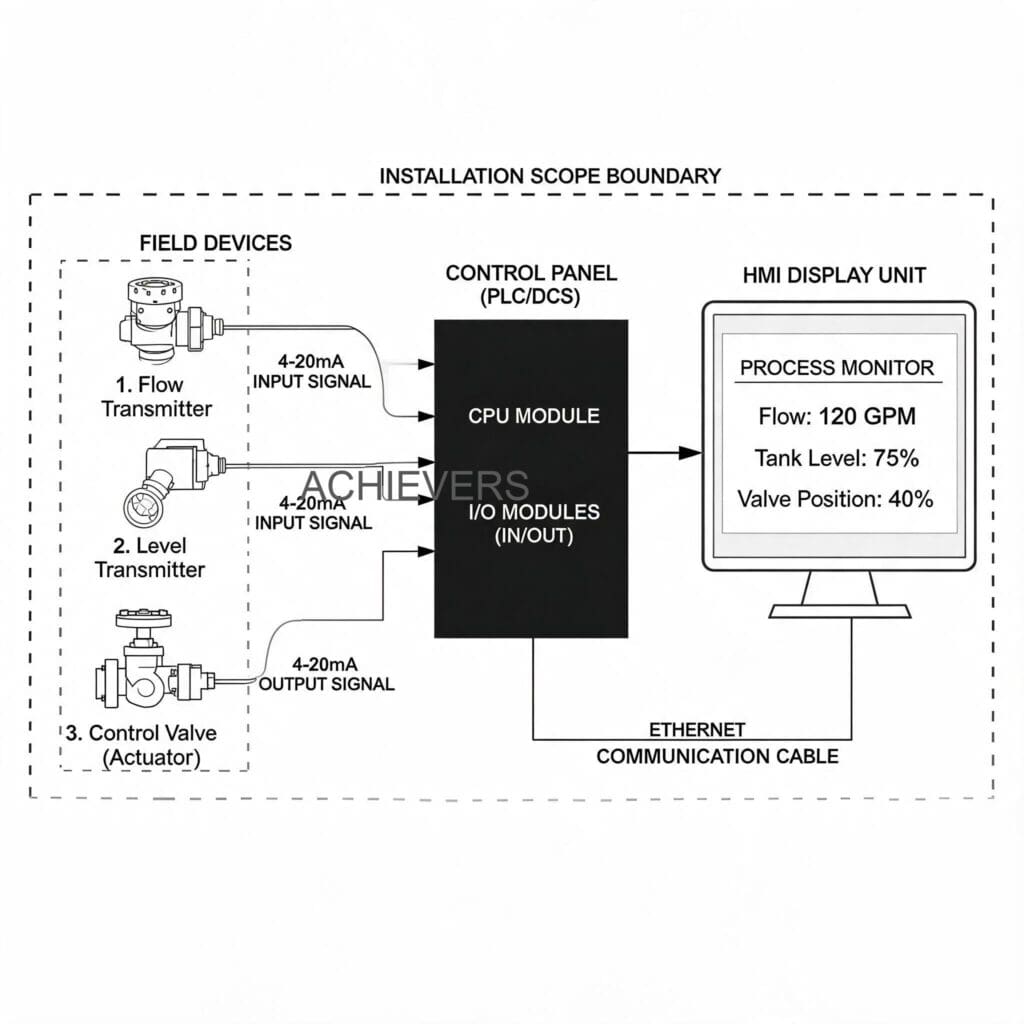
Consider a mid-sized global aggregate mining operation dispensing 15,000 liters of diesel daily to its heavy equipment fleet. Relying on basic pump timers and manual logs, the site experiences a typical 2.5% discrepancy due to over-dispensing, undocumented top-offs, and minor pilferage. Here is the step-by-step mathematical payback framework using a डीजल फ्लो मीटर.
- Define baseline daily volume: The facility transfers 15,000 liters of diesel per day.
- Identify current reconciliation error rate: Historical audits show a 2.5% gap between purchased bulk fuel and recorded consumption.
- Calculate daily unrecorded fuel volume: 15,000 liters x 0.025 = 375 liters lost per day.
- Annualize the volumetric loss: 375 liters x 300 operational days = 112,500 liters of unrecorded diesel annually.
- Convert volumetric loss to financial cost: At an average global industrial rate of $1.10 per liter, the annual financial leak is $123,750.
- Calculate post-installation loss reduction: A precision डीजल फ्लो मीटर reduces error to +/- 0.5%. New annual loss is capped at 22,500 liters ($24,750).
- Determine Total Project CapEx & OpEx: Hardware, installation, strainers, and first-year calibration total approximately $4,500.
- Compute the simple payback period: Annual savings = $99,000 ($123,750 – $24,750). Payback = ($4,500 / $99,000) x 365 days = 16.5 days.
The equipment pays for itself in less than three weeks.
4. लागत तुलना: उपलब्ध दृष्टिकोण
Evaluating your fluid management options requires comparing upfront costs against long-term reliability and data fidelity.
| दृष्टिकोण | Upfront Cost | Annual Cost | शुद्धता | Reliability | के लिए सर्वश्रेष्ठ |
| — | — | — | — | — | — |
| Manual Dipstick & Logbook | Very Low (<$50) | High (Theft/Loss) | +/- 3.0% to 5.0% | Low (Human Error) | Small, low-volume agricultural tanks. |
| Uncalibrated Pump Timer | Low ($200) | Moderate (Drift) | +/- 2.0% | मध्यम | Non-critical water or gray water transfer. |
| Positive Displacement Meter | Medium ($800+) | Low (Calibration) | +/- 0.5% | उच्च | High-volume industrial diesel and oil handling. |
| High-End Coriolis Meter | Very High ($5,000+) | कम | +/- 0.1% | Very High | Custody transfer, refineries, and chemical blending. |
For most processing facilities, power generation plants, and fleet depots, the Positive Displacement Diesel Flow Meter strikes the optimal balance between high precision and acceptable capital expenditure.
5. बजट में शामिल करने योग्य छिपे हुए खर्च
Procurement teams frequently stumble by only approving the base hardware cost. To ensure a seamless rollout and accurate ROI calculation, explicitly budget for the following global site realities:
- Flange and Piping Modifications: Retrofitting a 4-inch meter into a legacy fuel line often requires cutting, welding, and installing custom ANSI/DIN flanges.
- Upstream Protection Hardware: High-accuracy meters require Y-strainers (to block particulates) and air eliminators (to prevent measuring air pockets).
- Periodic ISO-Certified Calibration: To maintain +/- 0.5% precision, budget for annual third-party calibration, especially in hazardous or highly regulated ATEX zones.
- Operational Downtime: Installing the bypass lines and the meter will require shutting down the fuel transfer system for 4 to 12 hours.
- Power Conditioning: If utilizing the 9×4 digit electronic counter in remote areas with unstable grids, budget for voltage stabilizers to prevent logic board fry.
- Integration and Training: Upgrading to a print flow meter with a ticket printer requires training operators on the new logging protocol to ensure the physical data matches digital fleet management software.
6. प्रबंधन के समक्ष खरीद को कैसे उचित ठहराया जाए
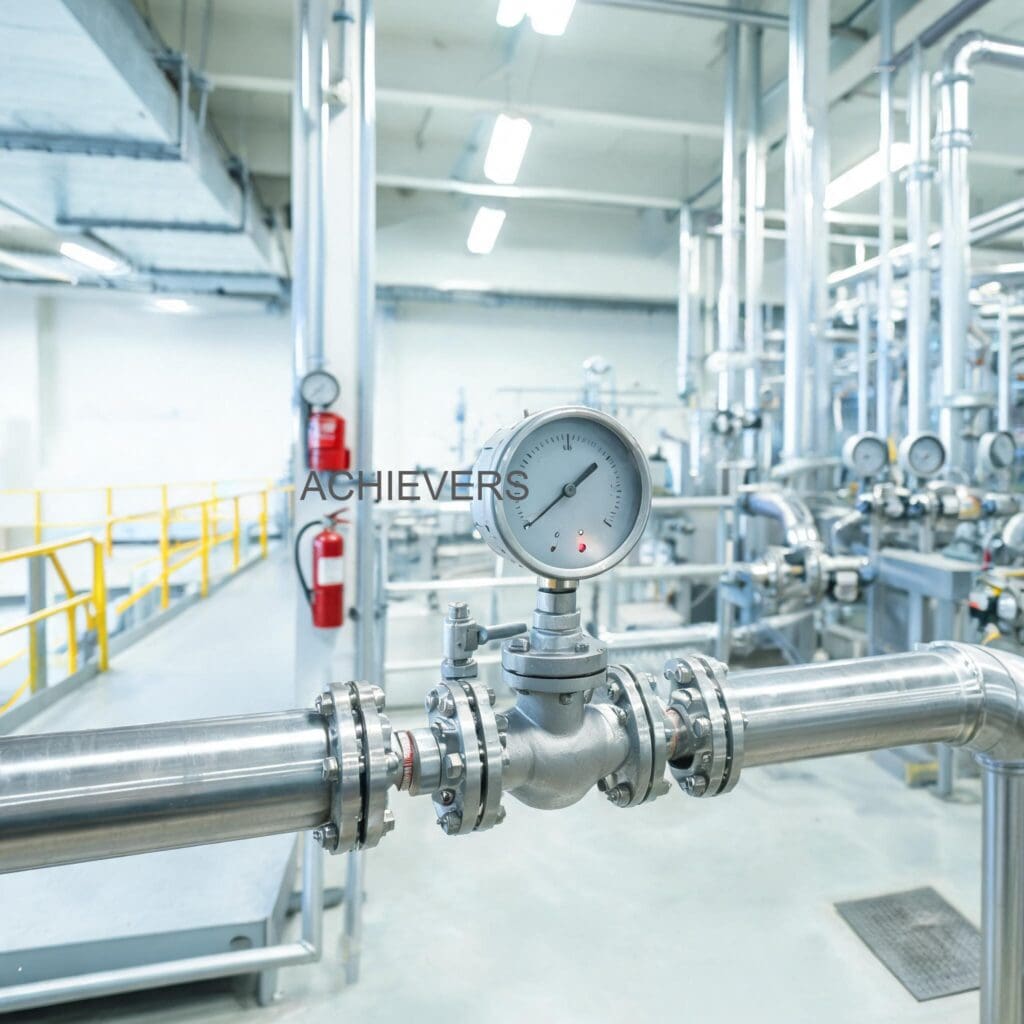
Engineers know the technical value of accurate metering, but management requires a financial narrative. Follow this procedure to secure rapid CapEx approval:
- Establish the Baseline: Pull the last six months of bulk fuel purchase invoices versus recorded fleet consumption logs. Highlight the percentage gap.
- विचलन का मुद्रीकरण करें: Multiply that missing volume by the current market price of diesel. Present this as "Current Annual Cash Leakage."
- Specify the Technical Solution: Propose the exact hardware, such as a 2-inch Diesel Flow Meter with a ticket printer and upstream strainer. Keep technical specs brief (e.g., +/- 0.5% accuracy, handles 8-5000 mPas viscosity).
- Present the Turnkey Cost: Include hardware, installation labor, downtime, and accessories in one conservative, worst-case budget figure.
- Show the Payback Timeline: Divide the turnkey cost by the monthly cash leakage. When management sees a payback period of under 45 days, risk objections disappear.
- Highlight Secondary Benefits: Emphasize that automated ticket printing eliminates manual data entry errors, simplifies cross-department auditing, and seamlessly integrates with complementary systems like a ईंधन प्रवाह मीटर used in other plant zones.
अक्सर पूछे जाने वाले प्रश्न
Q: How often does the meter require calibration?
A: For standard industrial use, annual calibration is highly recommended to maintain the +/- 0.5% accuracy. Facilities operating in continuous 24/7 high-volume conditions or handling heavily contaminated fuels may require bi-annual checks.
Q: Can this meter handle highly viscous fluids besides diesel?
A: Yes. The system is independent of viscosity fluctuations and is rated to accurately process fluids ranging from 8 to 5000 mPas, making it suitable for various oils and biodiesel blends.
Q: What happens if the line pressure exceeds 50 psi (3.5 bar)?
A: Exceeding the maximum pressure rating can cause the internal seals to blow out or the measuring chamber to deform, permanently ruining the meter's accuracy. A pressure relief valve must be installed if your pump is capable of exceeding 50 psi.
Q: Does the electronic counter require a continuous main power supply?
A: The 9×4 digit electronic counters are typically designed with internal battery backups or operate on low-voltage DC power, but requirements vary by specific model and ticket printer integrations.
Q: How do we prevent the meter from measuring air when the storage tank runs dry?
A: You must install a mechanical air eliminator immediately upstream of the flow meter. This device bleeds off entrained air before it reaches the measuring chamber, ensuring you are only logging liquid volume.
Q: Are these meters resistant to industrial vibrations?
A: Yes. They feature profoundly strong, cutting-edge designs built with high vibration resistance, making them ideal for installation on mobile fuel bowsers, skid mounts, and heavy-machinery refueling platforms.
Q: What pipe sizes are compatible with these units?
A: The meters are accessible in 1/2-inch to 4-inch diameter configurations, allowing them to scale from low-flow chemical dosing to high-volume bulk transfer applications.
Stop letting inaccurate fluid reconciliation drain your operational budget. Contact Chintan Engineers today at sales@chintanengineers.in or call +91-9574992851 to configure a Diesel Flow Meter tailored to your exact line size, flow capacity, and site conditions. Let our technical team build a solution that turns your fuel losses into measurable, locked-in profits.