
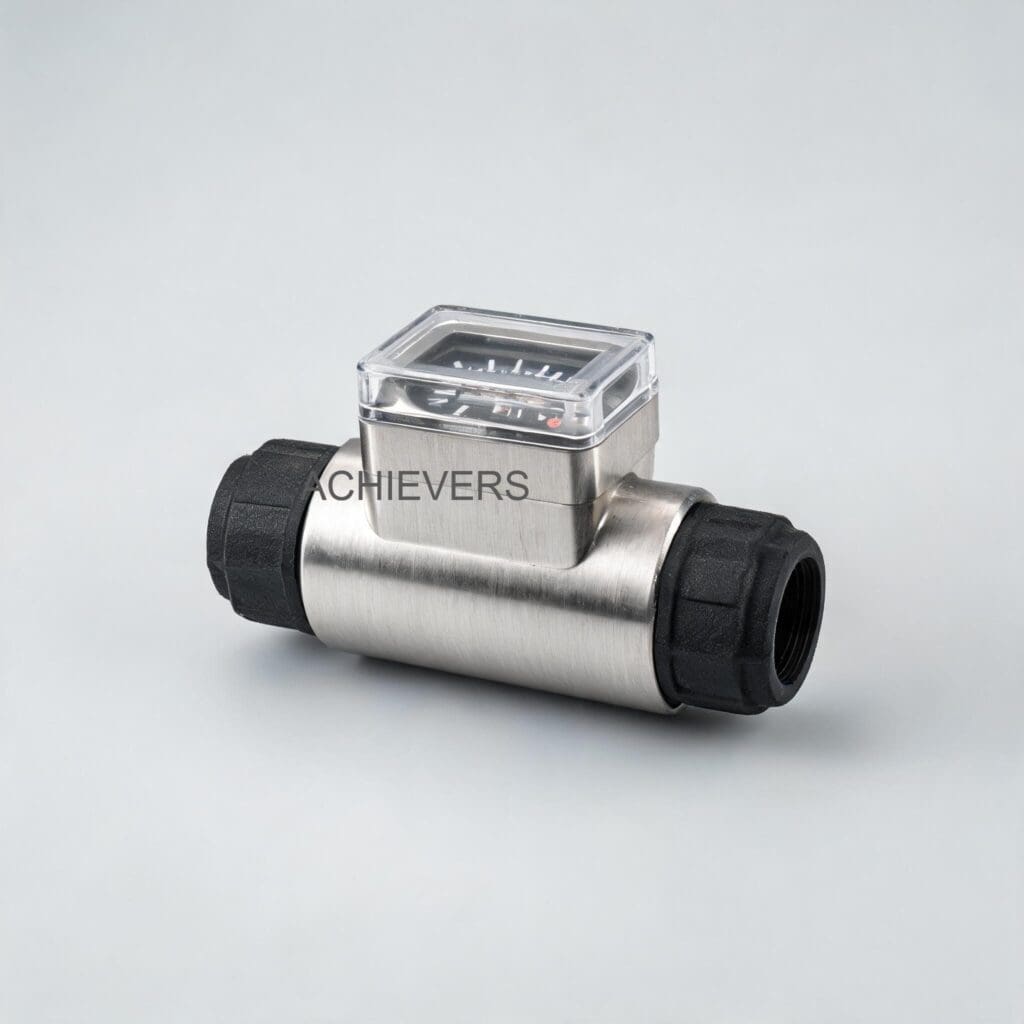
Unplanned downtime on a fuel transfer line doesn't just delay operations; it bleeds money through lost productivity and measurement drift. When your डीजल फ्लो मीटर loses accuracy due to particulate buildup or seal degradation, you risk inventory shrinkage and equipment failure. Preventive maintenance is not optional—it is a critical operational requirement for fleet managers and plant engineers handling high-volume diesel transfer.
A rigid maintenance schedule prevents erratic readings, protects measurement chambers from abrasive wear, and ensures your meter delivers reliable data across varying viscosities and operating pressures. This guide outlines the exact daily, monthly, and annual maintenance protocols required to keep your डीजल फ्लो मीटर performing at peak accuracy.
Quick Reference Checklist: Daily Meter Checks
- [ ] Verify the 9×4 digit electronic counter display is clear and active.
- [ ] Check flange connections (1/2" to 4") for weeping or active leaks.
- [ ] Confirm operating pressure remains below the 50 psi (3.5 bar) maximum.
- [ ] Listen for abnormal mechanical noise indicating cavitation or bearing wear.
- [ ] Reset the batch counter and verify zero alignment before the first transfer.
1. Product Overview and Critical Wear Components
To maintain a डीजल फ्लो मीटर, you must understand its operational limits and wear points. These meters are built for heavy industrial environments, featuring high vibration resistance and independence from fluid viscosity fluctuations. However, continuous exposure to diesel, biodiesel blends, and environmental extremes means certain components will naturally degrade.
Critical Wear Components:
- Measurement Chamber Rotors/Gears: Subject to abrasion if filtration fails.
- O-Rings and Flange Gaskets: Prone to hardening over time, especially in extreme temperature variations.
- Strainer Mesh: The primary defense line; clogs frequently in poorly maintained fuel ecosystems.
- Electronic Display Terminal: Vulnerable to moisture ingress if terminal seals are compromised.
| तकनीकी विनिर्देश | Operating Limit | Maintenance Implication |
| :— | :— | :— |
| Accuracy / Precision | +/- 0.5% | Requires annual calibration audits to verify performance. |
| लाइन आकार | 1/2" to 4" diameters | Ensure torque specs on flange bolts are checked quarterly. |
| Viscosity Range | 8 – 5000 mPas | Suitable for varied diesel blends; check for sludge in cold climates. |
| Max Operating Pressure | 50 psi / 3.5 bar | Do not subject to pressure spikes; inspect bypass valves regularly. |
| Display | 9×4 digit electronic | Verify terminal connections and battery/power source annually. |
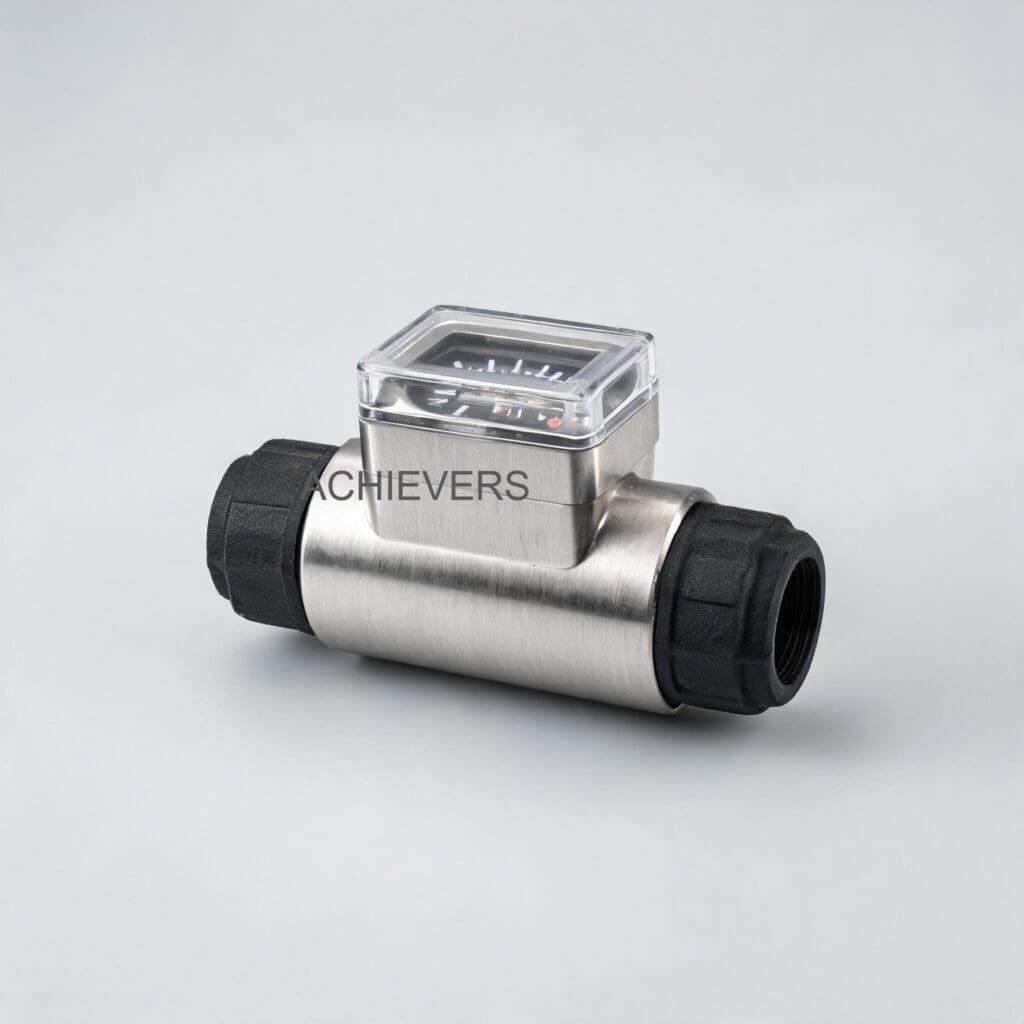
2. Preventive Maintenance Schedule
Adhere to this maintenance schedule to prevent measurement drift and catastrophic mechanical failure. Adjust frequency based on transfer volume and fuel quality.
| Task | आवृत्ति | Responsible | Est. Time | नोट्स |
| :— | :— | :— | :— | :— |
| Visual Leak Inspection | Daily | Site Operator | 5 mins | Inspect flanges, housing joints, and threaded ports. |
| Display Verification | Daily | Site Operator | 2 mins | Ensure 9×4 electronic counter digits are fully legible. |
| Upstream Strainer Blowdown | Weekly | Maintenance Tech | 15 mins | Purge water and heavy sediment from the upstream filter. |
| Flange Bolt Torque Check | Monthly | Maintenance Tech | 10 mins | Counteract loosening due to industrial vibration. |
| Strainer Mesh Cleaning | Monthly | Maintenance Tech | 30 mins | Remove and wash mesh in clean solvent. |
| Chamber Flush | Quarterly | Fluid Engineer | 45 mins | Flush line to remove sludge buildup (8-5000 mPas fluids). |
| O-Ring & Seal Inspection | Bi-Annually | Maintenance Tech | 60 mins | Check for hardening, swelling, or cracking. |
| Volumetric Proving | हर साल | Metrology Tech | 2 hours | Verify +/- 0.5% precision against a master prover. |
| Electronics Housing Check | हर साल | Maintenance Tech | 20 mins | Inspect for moisture ingress or corrosion on terminals. |
| Complete Teardown/Overhaul | 3-5 Years | Certified Service | 4-6 hours | Replace all seals, bearings, and recalibrate. |
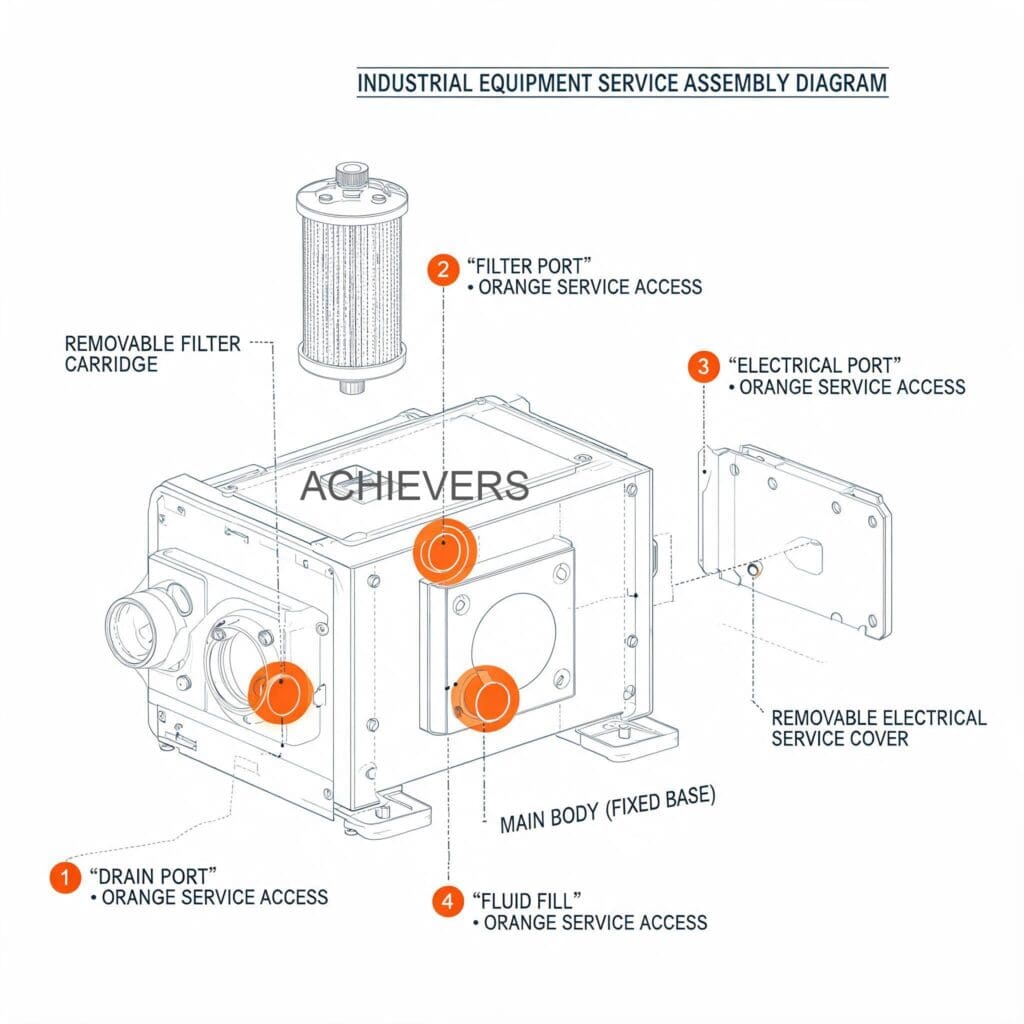
3. Step-by-Step Procedures for Key Tasks
Procedure 1: Monthly Strainer and Filter Cleaning
A clogged strainer creates a pressure drop, inducing cavitation that destroys the meter's internal geometry. Never bypass the strainer.
- Isolate the Meter: Close the upstream and downstream isolation valves.
- Lockout/Tagout (LOTO): Secure the pump system to prevent accidental activation.
- Depressurize the Line: Open the bleed valve to relieve the line pressure safely (ensure pressure drops from 50 psi to 0).
- Remove the Strainer Cap: Unbolt the strainer housing, catching residual diesel in an approved spill tray.
- Extract the Mesh Basket: Carefully pull the strainer basket out, noting the type of debris (rust, sludge, or microbial growth).
- Clean the Mesh: Wash the basket in a compatible parts washer or clean diesel. Use a soft bristle brush—never use wire brushes that can warp the mesh.
- Inspect the Housing O-Ring: Check the strainer cap seal. If it is flattened or brittle, replace it.
- Reassemble and Purge: Reinstall the basket, tighten the cap, and slowly open the upstream valve to bleed air from the system before fully opening the downstream valve.
Red Flag Warning:
If you find metal shavings in your strainer basket, stop the transfer immediately. This indicates a failing upstream pump impeller or disintegrating pipe internals. Running metal through the measurement chamber will destroy the precision rotors and void the meter's +/- 0.5% accuracy.
Procedure 2: Annual Measurement Chamber & Sensor Inspection
Measurement drift usually stems from resin buildup on the rotors or sensor misalignment.
- Isolate and Drain: Close valves, LOTO the system, and drain the meter housing completely.
- Remove the Register/Display: Unbolt the 9×4 digit electronic counter from the main body. Handle with care to protect internal wiring.
- Inspect the Magnetic Drive: Check the magnetic coupling between the wet chamber and the dry electronic register for iron dust accumulation. Wipe clean with a microfiber cloth.
- Open the Front Cover: Remove the bolts securing the measurement chamber faceplate.
- Inspect the Rotors: Look for scoring, pitting, or varnish buildup on the rotors. The surfaces should be smooth.
- Clean the Chamber: If varnish is present (common in biodiesel blends), clean the rotors and chamber walls with an approved non-corrosive solvent.
- Check Clearances: Manually rotate the gears to ensure smooth, bind-free movement. Any resistance indicates bearing failure.
- Reassemble and Torque: Install a new faceplate gasket, torque bolts in a star pattern to the manufacturer's spec, and reinstall the electronic register.
4. On-Site Spare Parts to Stock
Waiting on a $10 O-ring can cost thousands in delayed fuel transfers. Keep these components in your localized inventory to ensure rapid maintenance turnaround.
| Part Description | Type | Recommended Qty | When to Replace |
| :— | :— | :— | :— |
| Flange Gaskets (1/2" to 4") | Consumable | 4 sets | Any time a flange is opened or leaking occurs. |
| Strainer Mesh Basket | Wear Part | 2 units | If mesh is torn, warped, or permanently clogged. |
| Faceplate O-Rings | Consumable | 3 units | Annually during internal inspection. |
| Electronic Register Battery | Consumable | 2 units | When the display dims or flashes low voltage. |
| Rotor/Gear Assembly Kit | Major Component | 1 unit | If physical scoring drops accuracy outside +/- 0.5%. |
5. Diagnosing Maintenance-Related Failures
When a Diesel Flow Meter fails, the symptom often points directly to a missed maintenance task. Use this diagnostic table to troubleshoot common operational issues.
| Failure Symptom | Missed Maintenance Task | Corrective Action |
| :— | :— | :— |
| Erratic or fluctuating flow readings | Filter/Strainer Cleaning | Inspect and clean the upstream strainer. Check for air leaks on the suction side of the pump. |
| Electronic counter display is dead | Electronics Housing Check | Check power connections, replace internal battery, or inspect for water damage in the terminal. |
| Active leakage at meter flanges | Flange Bolt Torque Check | Re-torque bolts. If leaking persists, replace the flange gaskets and check for pipe misalignment. |
| Consistent under-registration (drifting) | Chamber Flush / Fluid Overhaul | Clean rotors. Viscous sludge (up to 5000 mPas limits) may be causing gear drag. |
| Excessive mechanical noise/vibration | Visual / Acoustic Inspection | Check mounting supports. Despite high vibration resistance, excessive noise indicates cavitation. |
| Flow rate drops significantly | Upstream Strainer Blowdown | Clean the strainer basket. Ensure line pressure is adequate (up to 50 psi max). |
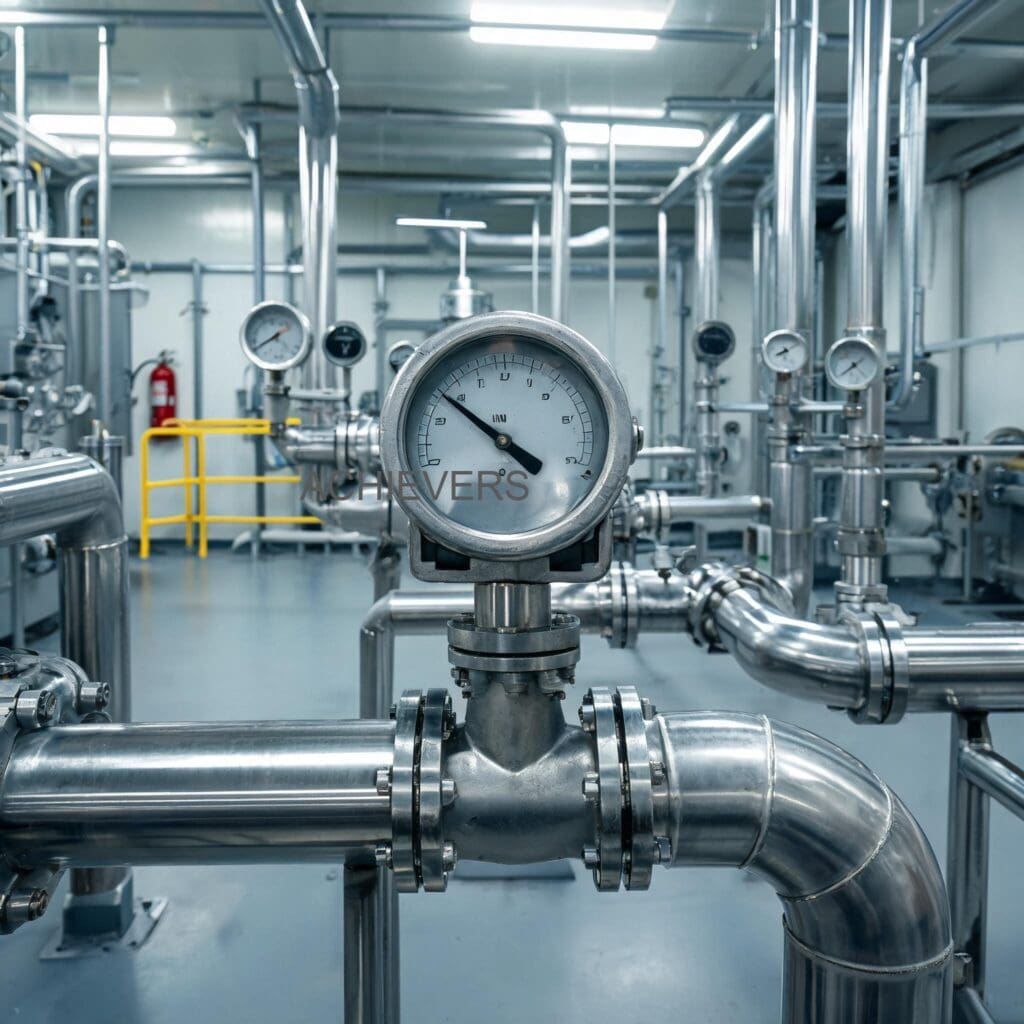
6. Extending Service Life in Global Industrial Conditions
Industrial fluid transfer doesn't happen in a laboratory. Whether you are fueling a mining fleet in a high-dust environment, managing a chemical plant processing line, or integrating a meter into an offshore ईंधन डिस्पेंसर skid, environmental factors accelerate wear.
- Extreme Ambient Temperatures: High heat causes thermal expansion, which can stress flange bolts and degrade O-rings. Ensure the meter is shaded from direct sunlight in desert environments. In freezing conditions, ensure the fluid viscosity does not exceed the 5000 mPas limit, which can stall the meter.
- Heavy Industrial Vibration: While the meter features high vibration resistance, sustained harmonic vibrations from nearby heavy machinery or unanchored pipework can cause electronic terminal connections to loosen. Use flexible piping connectors upstream and downstream, and anchor the meter skid firmly.
- Corrosive or Coastal Environments: Salt air and high humidity will attack exposed metal and electronic housings. Apply anti-corrosion sprays to external bolts and ensure the IP/ATEX-rated seals on the electronic register are inspected bi-annually to prevent moisture ingress.
अक्सर पूछे जाने वाले प्रश्न
Q: How often does a Diesel Flow Meter need to be calibrated?
A: For custody transfer or strict inventory control, volumetric proving should be conducted annually. If the meter operates in harsh conditions or handles dirty fuel, bi-annual accuracy checks are recommended to ensure it stays within the +/- 0.5% precision limit.
Q: Can this meter handle high-viscosity oils or just standard diesel?
A: The meter is independent of viscosity and is suitable for operating ranges from 8 to 5000 mPas. This makes it highly versatile for various diesel grades, biodiesel blends, and light oils, provided the pressure remains under 50 psi (3.5 bar).
Q: Why is my resettable counter failing to zero out?
A: This usually indicates an electronic fault or physical binding in the register's reset mechanism. Check the power supply/battery and ensure no moisture has breached the 9×4 digit electronic counter housing.
Q: Is it necessary to install a strainer if my fuel storage tank already has a filter?
A: Yes. A dedicated Y-strainer or basket strainer must be installed immediately upstream of the meter. Pipe scale, rust, and debris can dislodge between the tank filter and the meter, causing catastrophic damage to the measurement chamber.
Q: What is the maximum operating pressure the meter can withstand?
A: The maximum safe operating pressure is 50 psi (3.5 bar). Exceeding this limit can blow out the flange gaskets, damage the internal seals, and warp the measurement chamber.
Q: How do I prevent air from throwing off the meter's accuracy?
A: Install an air eliminator upstream of the flow meter. If air passes through the measurement chamber, the meter will register it as fluid volume, causing over-registration and inventory discrepancies.
To secure long-term accuracy and protect your operational efficiency, robust measurement infrastructure is vital. If you are experiencing repeated measurement drift or need to upgrade your current fuel transfer line, contact our technical team with your required flow rate, fluid viscosity, and site conditions. We can engineer the exact flow meter and dispensing solution to meet your site's demands.