
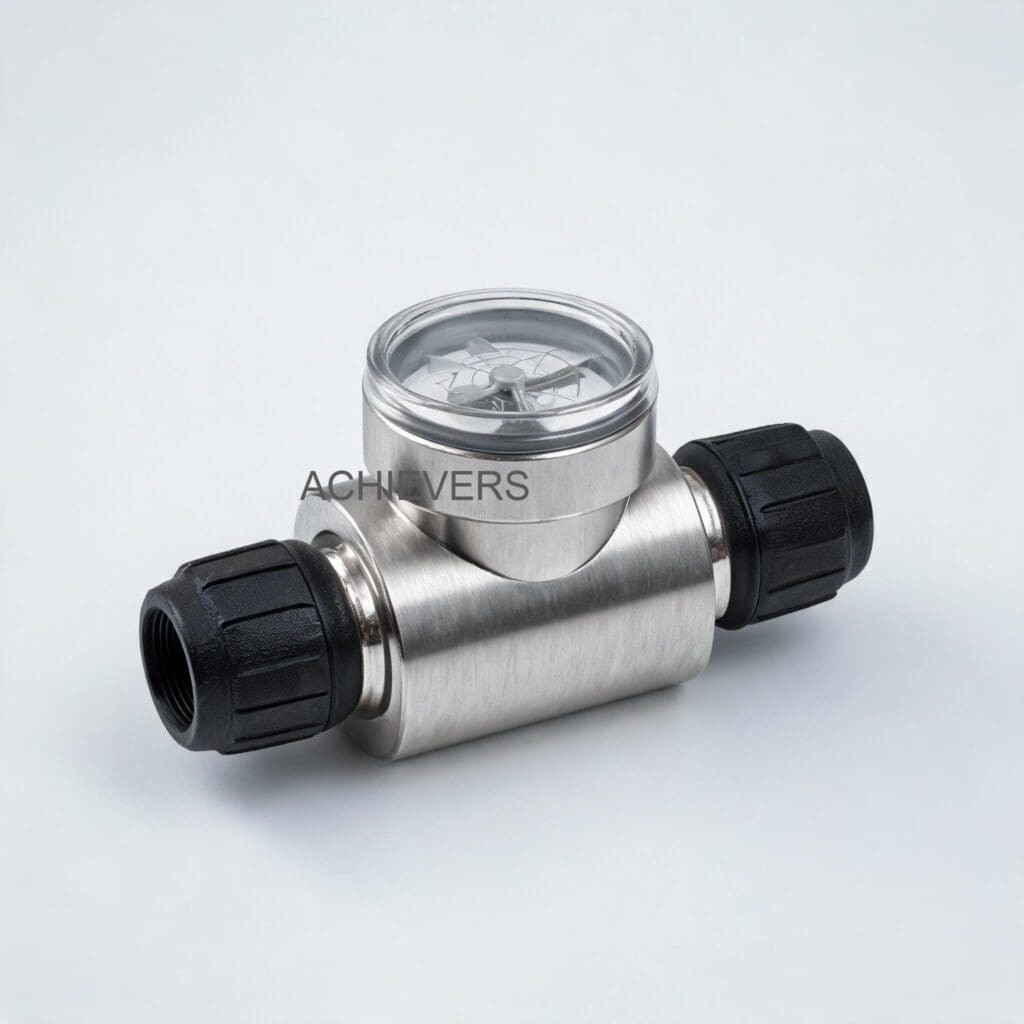
Unaccounted-for fuel is a direct hit to your operating margin. Whether you are running a remote mining site in Western Australia, a power generation plant in the Middle East, or a large-scale manufacturing facility in Europe, a 1% to 2% daily variance in fuel reconciliation adds up to tens of thousands of dollars lost annually. These discrepancies are often written off as "evaporation" or "handling losses," but the reality is simpler: your measurement system is inadequate.
A high-grade ईंधन प्रवाह मीटर eliminates this ambiguity. By transitioning to a positive displacement digital metering system, site operators gain precise control over fluid transfer, ensuring that every drop of diesel dispensed matches the inventory logs. This analysis breaks down the total cost of ownership (TCO) of upgrading your transfer lines, detailing where the real money is saved through tight reconciliation, reduced downtime, and accelerated payback timelines.
QUICK REFERENCE: FUEL METERING UPGRADE CHECKLIST
- [ ] Audit current monthly fuel volume transferred.
- [ ] Calculate current acceptable loss/variance percentage.
- [ ] Verify maximum flow rate (L/min) of existing transfer pumps.
- [ ] Check system operating pressure and maximum fluid viscosity.
- [ ] Determine required line size (1-inch, 1.5-inch, or 2-inch).
- [ ] Confirm required international compliance (ATEX, ISO, CE).
1. उत्पाद का अवलोकन और लागत संदर्भ
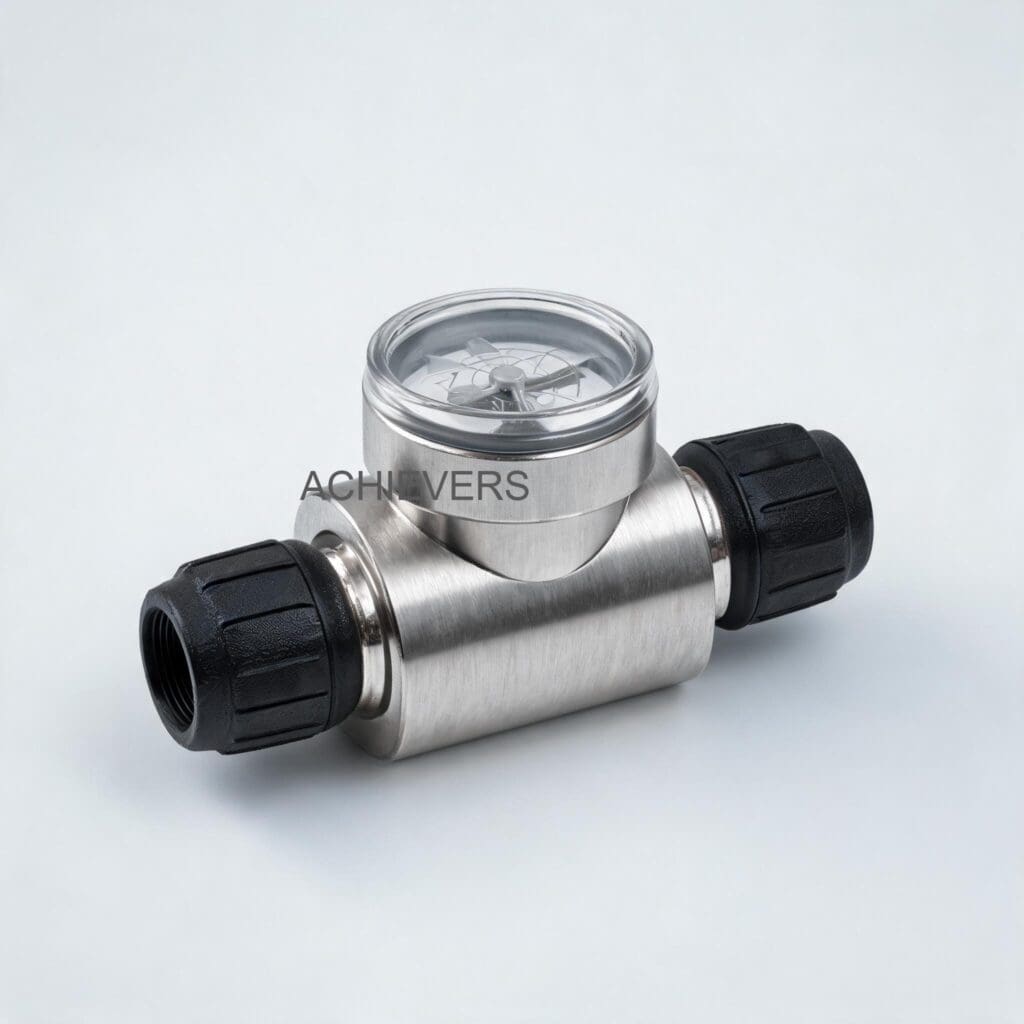
A digital ईंधन प्रवाह मीटर operating on positive displacement principles provides the highest reliability for industrial fuel transfer. Unlike velocity-based meters that suffer accuracy drops with varying fluid densities, positive displacement meters divide the fluid into fixed, measurable volumes. This ensures highly sensitive readings even at low flow rates, with immunity to changes in liquid thickness.
For site operators, the direct financial value of this accuracy is clear: stopping volumetric shrinkage. A vacuum-sealed, leak-proof design with a self-lubricating gear mechanism guarantees a long maintenance-free working life, preserving calibration integrity over millions of liters.
Below is the core performance data for standard positive displacement digital models:
| विनिर्देश | एलआई-ई-25 | एलआई-ई-40 | एलआई-ई-50 |
| :— | :— | :— | :— |
| लाइन आकार | 1" | 1.5" | 2" |
| Flow Rate (Min-Max) | 20 – 200 L/min | 25 – 250 L/min | 30 – 300 L/min |
| शुद्धता | ±0.5% | ±0.5% | ±0.5% |
| repeatability | 0.03% | 0.03% | 0.03% |
| Max Viscosity | 1000 CPS | 1000 CPS | 1000 CPS |
| Max Operating Pressure | 3.4 MPa | 1.8 MPa | 1.8 MPa |
2. स्वामित्व की कुल लागत का विवरण
Industrial procurement often fixates on the upfront purchase price. However, the Total Cost of Ownership (TCO) for a heavy-duty ईंधन प्रवाह मीटर extends across installation, calibration, and lifecycle maintenance. Understanding these metrics prevents budget overruns and highlights the device's true cost efficiency.
| लागत घटक | सामान्य सीमा (USD) | आवृत्ति | नोट्स |
| :— | :— | :— | :— |
| Hardware Purchase Price | $400 – $1,200 | वन टाइम | Varies by line size (1" to 2") and max pressure ratings. |
| स्थापना और पाइपिंग संशोधन | $250 – $600 | वन टाइम | Includes installing isolation valves, bypass lines, and upstream strainers. |
| Initial Commissioning & Testing | $150 – $300 | वन टाइम | Verifying leak-proof seals and initial dry totalizer readings. |
| Periodic Calibration | $100 – $250 | वार्षिक | Required for ISO 9001/API compliance and auditing. |
| Consumables (Battery/Seals) | $20 – $50 | Every 2-3 years | Long battery life minimizes replacement frequency. |
| Annual Preventative Maintenance | $100 – $200 | वार्षिक | Inspection of self-lubricating gears and vacuum seals. |
| Unexpected Downtime Event | $500+ per hour | Rare | Costs depend on plant criticality; minimized by robust meter design. |
| Lifespan Replacement | $400 – $1,200 | 7 – 10 Years | Amortized cost is extremely low due to durable industrial construction. |
3. निवेश पर लाभ (आरओआई) की गणना: वास्तविक औद्योगिक उदाहरण
To prove the financial viability of upgrading your metering, we must tie the investment directly to liters lost and dispute resolution times. Here is a blunt payback model for a medium-to-large processing plant.
- Establish the Baseline Volume: The plant consumes 20,000 liters of diesel per day (approx. 600,000 liters per month).
- Quantify the Current Loss: Using manual dipsticks or older turbine meters, the site experiences a 1.5% reconciliation variance (unaccounted-for fuel).
- Calculate Volume Lost: 1.5% of 600,000 liters = 9,000 liters "lost" per month to inaccurate delivery, temperature variations, or theft.
- Determine Financial Bleed: At an average global cost of $1.10 per liter, the plant is losing $9,900 per month.
- Apply the New Meter Accuracy: Installing a positive displacement meter guarantees ±0.5% accuracy and 0.03% repeatability.
- Calculate the Recovered Volume: The variance drops from 1.5% to a worst-case 0.5%. The site recovers 1% of its volume, saving 6,000 liters per month.
- Calculate Monthly Savings: 6,000 liters × $1.10 = $6,600 saved per month.
- Determine Payback Period: With an installed TCO (Meter + Setup) of approximately $1,500, the ROI is achieved in roughly 7 days of operation. Everything after the first week is pure recovered profit.
4. लागत तुलना: उपलब्ध दृष्टिकोण
Evaluating your options ensures you match the technology to your site's operational demands.
| दृष्टिकोण | Upfront Cost | वार्षिक रखरखाव लागत | शुद्धता | Reliability | के लिए सर्वश्रेष्ठ |
| :— | :— | :— | :— | :— | :— |
| Manual Dipstick/Tank Gauging | बहुत कम | High (Labor intensive) | Poor (±2-5%) | Low (Human error) | Small, non-critical backup tanks |
| Turbine Flow Meter | मध्यम | मध्यम | Moderate (±1-2%) | मध्यम | Clean fluids, consistent high-velocity flow |
| Digital Positive Displacement Meter | Medium-High | कम | High (±0.5%) | उत्कृष्ट | High-volume industrial diesel and oil lines |
| Coriolis Mass Flow Meter | Very High | कम | Very High (±0.1%) | उत्कृष्ट | Custody transfer, chemical dosing |
PRO TIP: Do not install a positive displacement meter without an upstream Y-strainer. Industrial diesel often contains particulate matter or rust from older tanks. Debris will jam the precision gears, leading to premature failure and voiding the low-head-loss benefits.
5. बजट में शामिल करने योग्य छिपे हुए खर्च
When setting your procurement budget, account for the following site-specific and operational factors that often catch plant managers off guard:
- Upstream Filtration: Positive displacement meters have tight tolerances. Budget for high-quality filtration to protect the meter internals.
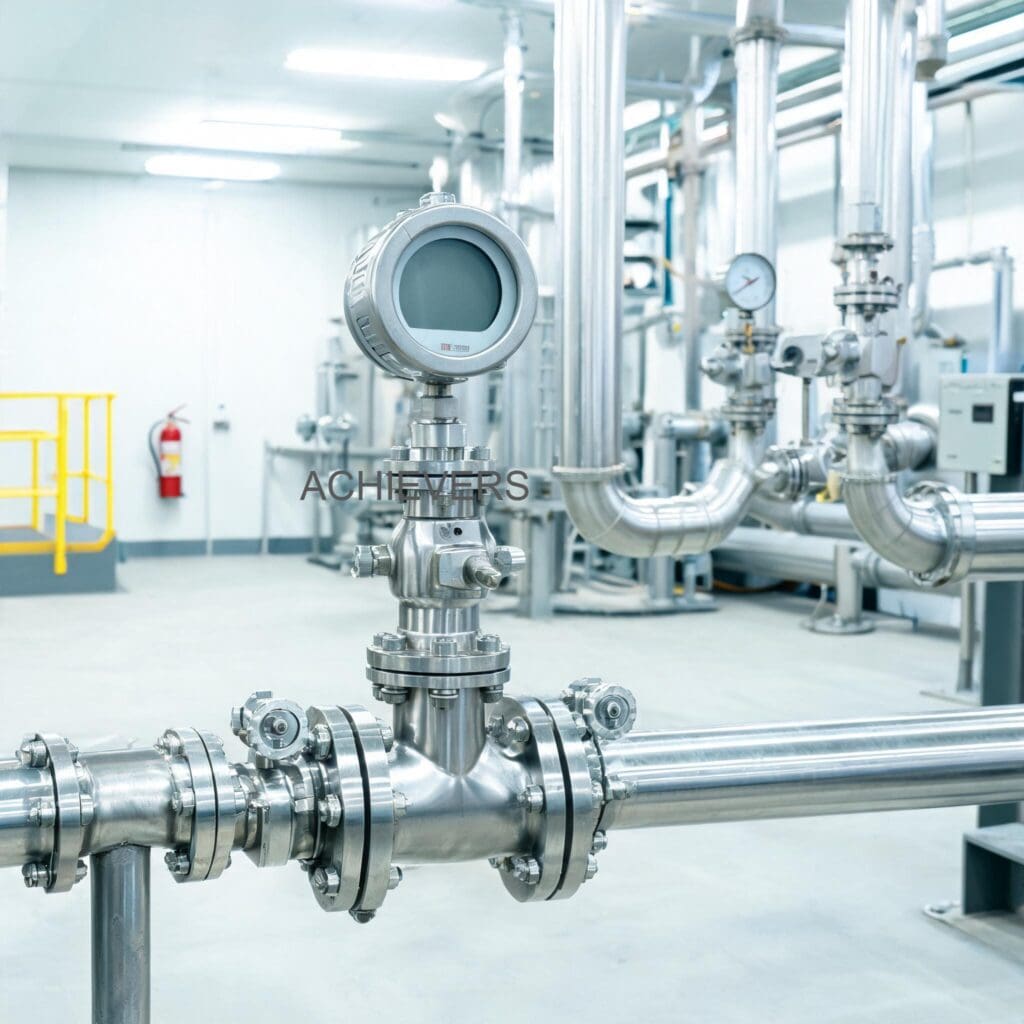
- Piping and Bypass Lines: Never install a meter inline without a bypass loop. If the meter needs calibration or servicing, the bypass keeps your operation running, preventing costly plant downtime.
- Calibration Facility Access: For ISO-certified sites, ensure you have a budgeted service contract with an accredited calibration lab to verify the ±0.5% accuracy annually.
- Fluid Compatibility Upgrades: If you are alternating between diesel and heavier lubricants, ensure your system can handle varying viscosities up to 1000 CPS. (If handling exclusively heavy oils, consider a dedicated तेल प्रवाह मीटर).
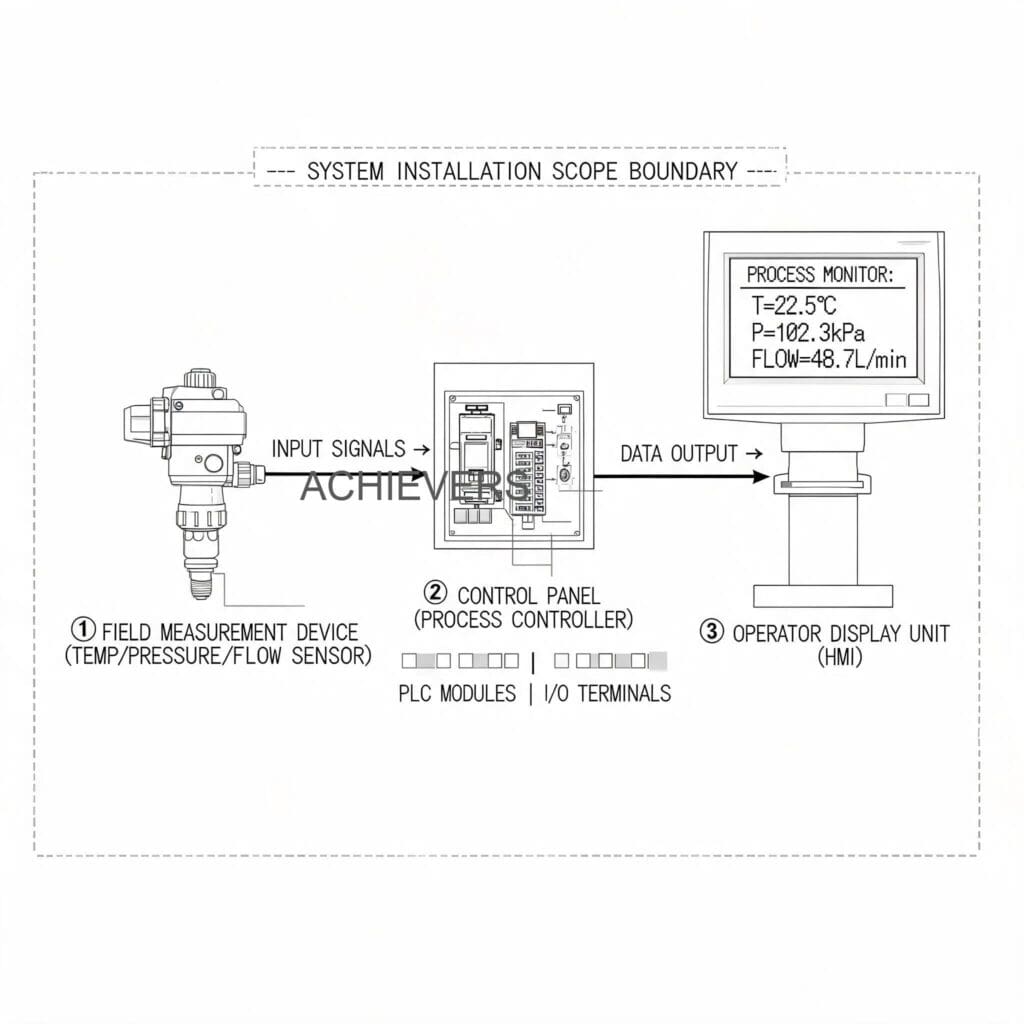
- सिस्टम एकीकरण: If you intend to connect the advanced display output to an overarching plant SCADA or fuel management system, budget for the integration cabling and software API work.
- Operator Training: Set aside time and budget to train your fleet managers on reading the dry totalizer, resetting batch counts, and identifying low-battery warnings to prevent measurement gaps.
6. प्रबंधन के समक्ष खरीद को कैसे उचित ठहराया जाए
Getting CapEx approval requires speaking the language of risk and return. Follow this methodology to present an undeniable business case to your CFO or procurement head:
- Establish the Measurement Baseline: Pull the last six months of fuel delivery invoices and compare them against actual machine consumption logs.
- Quantify the Financial Leakage: Convert the unaccounted volume into a hard currency figure. Show exactly how much money is bleeding from the budget each month.
- Present the Technical Solution: Explain how the 0.03% repeatability of a positive displacement gear mechanism mathematically eliminates the variance.
- Detail the Full TCO: Present the TCO table. Show that you have accounted for installation, strainers, and calibration—not just the hardware cost.
- Highlight the Payback Timeline: Use the ROI calculation to demonstrate a payback period of days or weeks, not years.
- Emphasize Risk Reduction: Frame the upgrade as an audit compliance and security measure. It acts as an indisputable source of truth for vendor delivery disputes, eliminating costly back-and-forth arguments with fuel suppliers.
अक्सर पूछे जाने वाले प्रश्न
Q: Can this meter handle highly viscous fluids alongside standard diesel?
A: Yes. The positive displacement design handles maximum viscosities up to 1000 CPS. It is highly sensitive to low flow rates and is unaffected by changes in fluid thickness, making it versatile for various oil-type liquids.
Q: Does the unit require external power to operate?
A: No. These digital meters feature an internal long-life battery to power the advanced display and dry totalizer. This makes them ideal for remote sites or areas with unstable grid power.
Q: How do I select between the 1", 1.5", and 2" models?
A: Sizing should be based on your pump's maximum flow rate, not just your pipe diameter. The 1" model (LI-E-25) handles up to 200 L/min, while the 2" model (LI-E-50) accommodates up to 300 L/min. Oversizing or undersizing will impact the ±0.5% accuracy.
Q: Will the internal gears create significant pressure drop in my lines?
A: No. The meters are engineered for low head loss and feature self-lubricating gears, minimizing resistance in the pipeline while maintaining precise fluid measurement.
Q: What is the maximum operating pressure the meter can withstand?
A: The 1" model (LI-E-25) handles up to 3.4 MPa. The larger 1.5" and 2" models (LI-E-40 and LI-E-50) are rated for a maximum operating pressure of 1.8 MPa.
Q: Can this meter be used with corrosive chemicals?
A: No. These specific models are explicitly designed for oil-type liquids (diesel, oils, non-corrosive fuels). It is unsafe and highly damaging to use them for measuring corrosive industrial chemicals.
Q: How frequently should the meter be calibrated?
A: For optimal performance and auditing compliance, calibration should be verified annually, or sooner if you observe discrepancies outside the ±0.5% accuracy band.
Upgrading your site's fluid handling accuracy is the fastest way to plug operational budget leaks. To get a precise sizing recommendation and tailored ROI estimate for your facility, contact our technical sales team today with your required flow capacity, fluid type, and specific site conditions. Experience the reliability of engineered precision and take definitive control of your fuel management.