
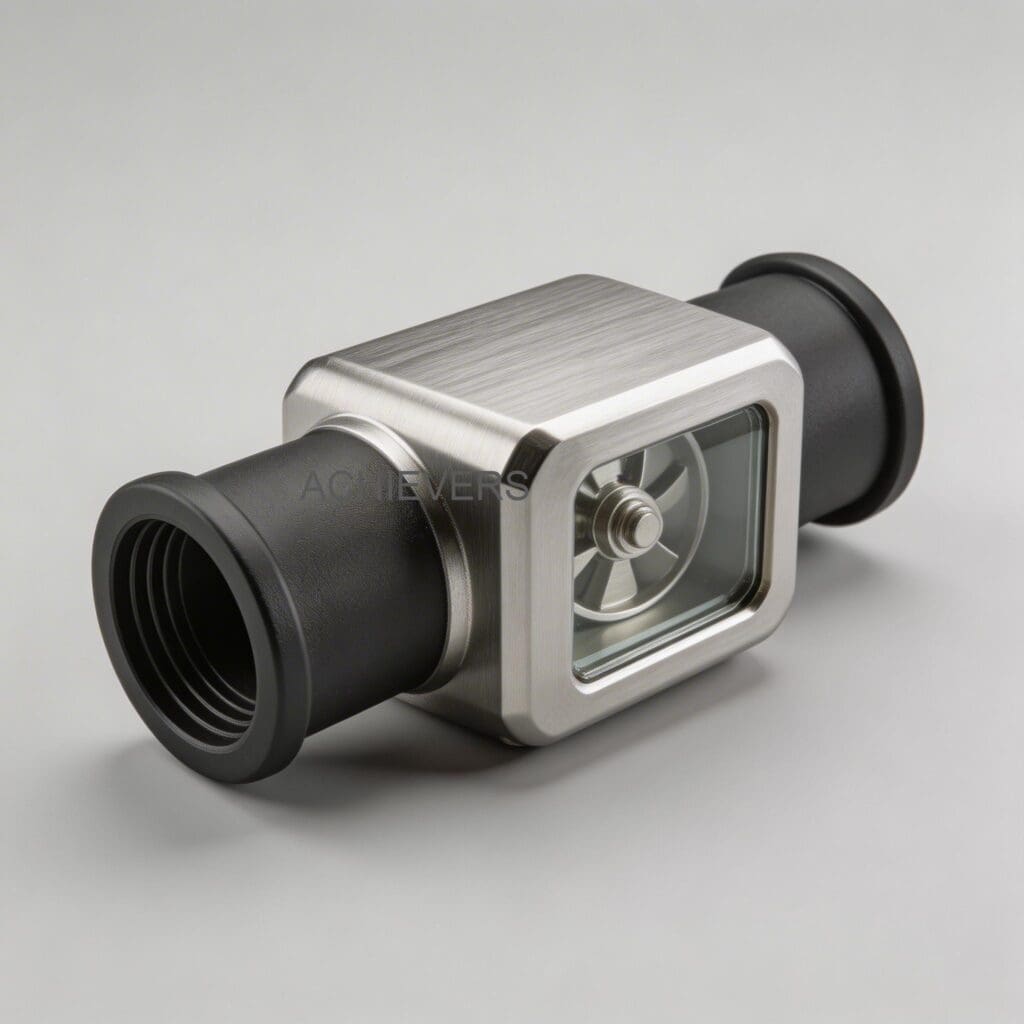
Viscosity changes ruin measurement accuracy if you install the wrong flow meter. For plant operators and fleet managers dealing with heavy base oils, high-temperature furnace oils, or variable-grade lubricants, specifying the correct flow measurement technology is a zero-margin-for-error decision. When fluid thickness shifts due to temperature drops, a misapplied meter will either suffer a massive pressure drop or completely lose its calibration, causing inventory discrepancies and batching failures.
This guide strips away the marketing fluff to directly compare Positive Displacement (PD) and Turbine technologies for viscous fluids. We will break down exactly when to specify an Oil Flow Meter utilizing oval gear technology, when to avoid turbines, and how to maximize measurement uptime across your fluid transfer infrastructure.
QUICK REFERENCE CHECKLIST: VISCOUS OIL METER SELECTION
- Viscosity Range: Does fluid viscosity exceed 10 cSt? (If yes, eliminate turbine meters).
- Flow Rate: Is your system operating between 1.0 LPH and 24,000 LPH?
- Temperature Variations: Will the fluid reach up to 150°C (e.g., furnace oil)?
- Pressure Drop Limits: Are you operating a gravity-fed or low-pressure pump system?
- Integration: Do you require 4-20 mA and Serial RS485 MODBUS outputs for SCADA?
- Filtration: Is a pre-meter mesh strainer installed to prevent gear jamming?
1. Overview of Oil Flow Meter Family
In industrial fluid management, flow meters typically fall into two categories: inferential (velocity-based) and volumetric (positive displacement).
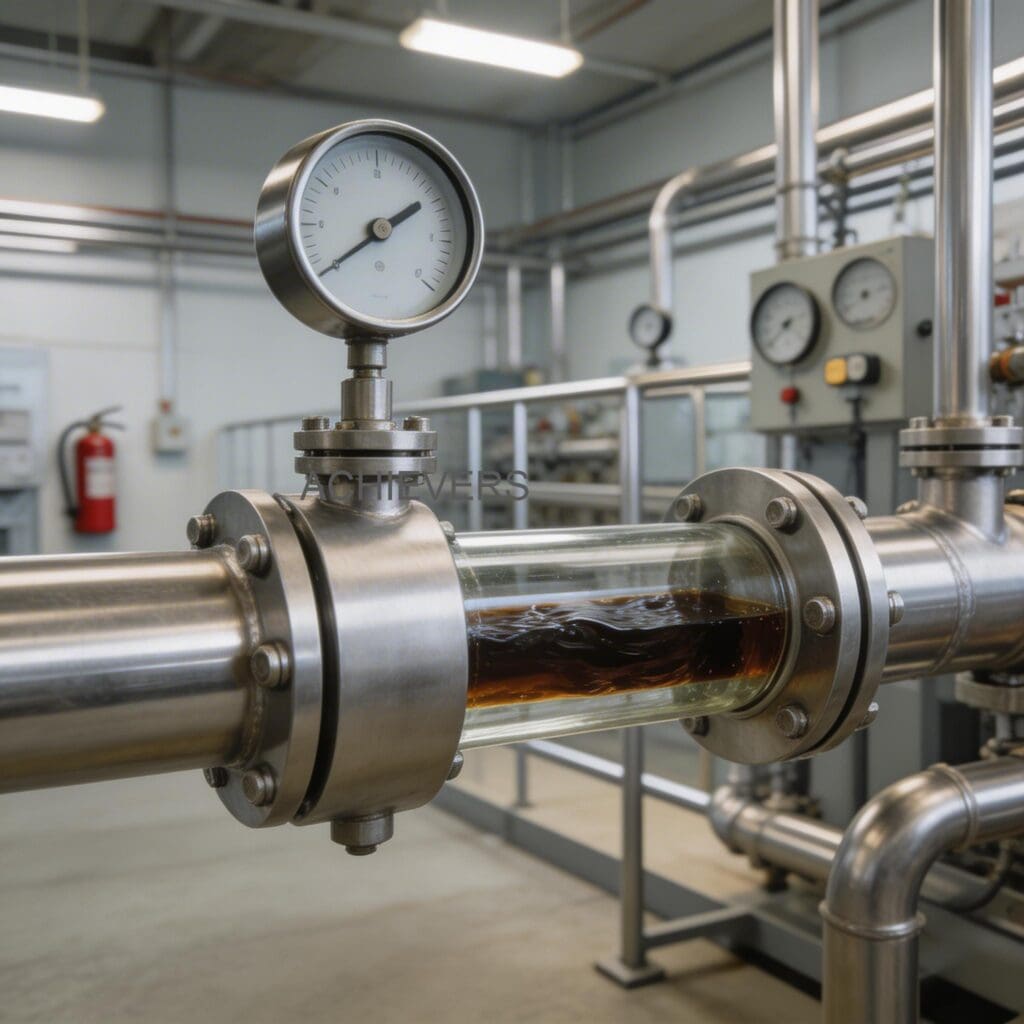
Turbine meters are inferential. They calculate flow based on the rotational speed of a bladed rotor. While highly effective for thin, non-lubricating fluids like water or light petrochemicals, they suffer from "viscous drag" when dealing with thick oils. As oil gets thicker, it slows the turbine blades, resulting in under-reporting and unacceptable accuracy drift.
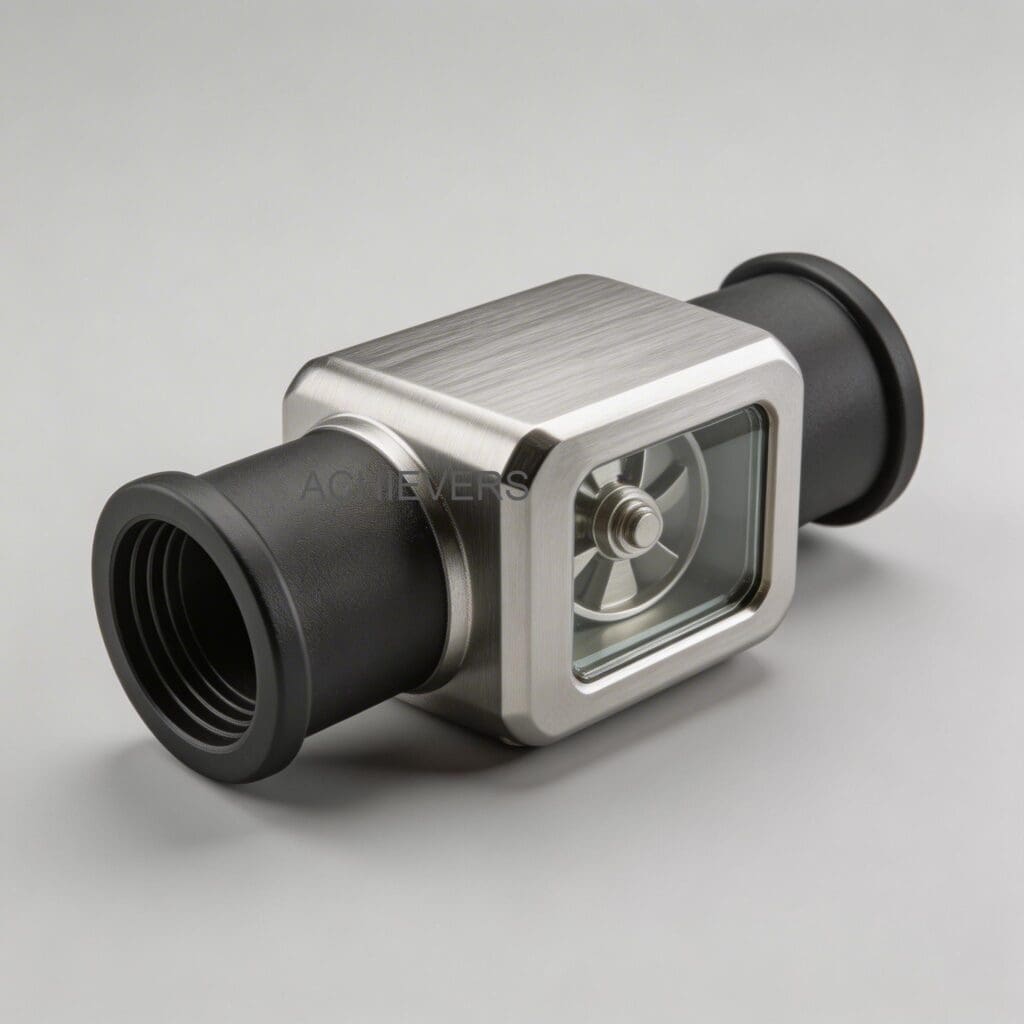
Positive Displacement (PD) meters, specifically the oval gear Oil Flow Meter, operate by isolating exact volumes of fluid between two rotating gears. Because they measure discrete volumetric parcels rather than velocity, they are immune to viscosity shifts. In fact, oval gear meters often become more accurate at higher viscosities because "slip" (fluid bypassing the gears) is practically eliminated. Constructed with lightweight aluminum alloys and engineered for low pressure drops, oval gear meters are the global standard for industrial lube oils, heavy base oils, and process heating fuels.
2. Head-to-Head Specification Comparison
To make an informed procurement decision, look at how the standard oval gear Oil Flow Meter stacks up against standard turbine and lobe-type PD alternatives.
| Specification / Feature | Oval Gear PD (Standard Spec) | Turbine Meter | Rotary Lobe PD |
| :— | :— | :— | :— |
| Measurement Principle | Volumetric Displacement | Velocity / Inferential | Volumetric Displacement |
| Accuracy | +/- 0.5% of reading | +/- 1.0% (plummets on thick oil) | +/- 0.5% of reading |
| Repeatability | +/- 0.1% (up to 0.02% possible) | +/- 0.2% (under stable viscosity) | +/- 0.1% |
| Flow Range Capability | 1.0 LPH to 24,000 LPH | Requires high minimum flow | 500 LPH to 50,000+ LPH |
| Line Size Options | 6mm to 150mm (1/4" to 6") | 15mm to 300mm+ | 25mm to 200mm |
| Max Temperature | Up to 150°C | Up to 120°C (standard) | Up to 150°C |
| Pressure Drop | Low (gravity/pump suitable) | Moderate to High | Low |
| Output Options | 4-20 mA, RS485 MODBUS | Pulse, 4-20 mA | Pulse, 4-20 mA, MODBUS |
| Best Application | Viscous lubes, furnace oil, base oils | Light fuels, solvents, water | High-volume transfer, sludge |
3. Application Comparison Table
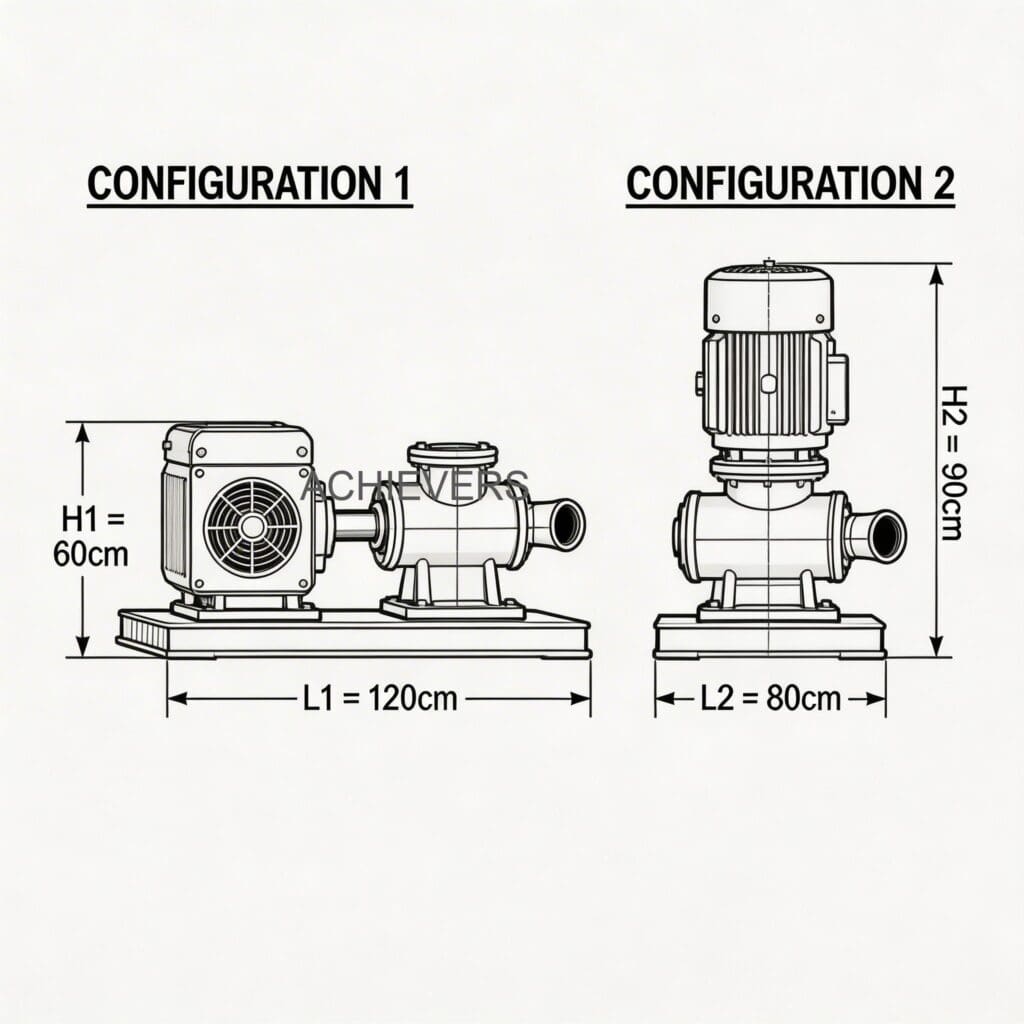
Different site conditions dictate different technologies. Procurement teams must match the meter's internal geometry to the process reality.
| Application Scenario | Recommended Option | Reason |
| :— | :— | :— |
| High Viscosity Base Oils | Oval Gear PD | Volumetric isolation prevents accuracy loss; gear slip decreases as oil thickens. |
| High-Temp Furnace Oil (150°C) | Oval Gear PD | Aluminum alloy construction and thermal expansion tolerances safely handle extreme heat. |
| Gravity-Fed Discharge | Oval Gear PD | Low pressure drop allows accurate reading without requiring a high-head pump. |
| Clean, Low-Viscosity Diesel | Turbine or Diesel Flow Meter | Thin fluids generate minimal drag on turbine blades, offering high accuracy at lower costs. |
| Automated Blending Plants | Oval Gear PD | Direct RS485 MODBUS and 4-20 mA outputs integrate seamlessly into batch controllers. |
| Aviation Refueling Vehicles | Oval Gear PD | High repeatability (+/- 0.02%) meets strict API/ISO aviation standards for fuel transfer. |
| Mobile Fleet Dispensing | Oval Gear PD w/ Fuel Dispenser | Compact footprint and rotatable register tops fit easily into tight mobile skid designs. |
| Abrasive or Particulate-Heavy Oil | Rotary Lobe PD / Coriolis | Oval gears can jam with large particulates; requires heavy pre-filtration. |
4. Total Cost Comparison
Capital expenditure (CapEx) is only a fraction of the total cost of ownership. Meters that fail frequently or require constant recalibration will destroy your operating budget.
| Option | Purchase Range (Global Market) | Annual Maintenance Load | Expected Life | Best For |
| :— | :— | :— | :— | :— |
| Oval Gear PD Meter | Medium – High | Low (Strainer cleaning, occasional calibration) | 10+ Years | Consistent accuracy across changing viscosities and temperatures. |
| Turbine Meter | Low – Medium | High (Frequent calibration if fluid changes) | 5-7 Years | Strictly thin fluids where viscosity remains entirely constant. |
| Rotary Lobe PD | High | Medium (Clearance checks, bearing wear) | 10+ Years | Very large pipelines moving highly viscous or shear-sensitive fluids. |
| Coriolis Mass Meter | Premium | Very Low (No moving parts) | 15+ Years | Sites requiring simultaneous mass, density, and temperature data. |
PRO TIP: THE VISCOSITY-TEMPERATURE TRAP
Never spec a flow meter based on the fluid's viscosity at room temperature. An industrial furnace oil might flow like water at 120°C but turn into sludge at 20°C during a cold-start. If your process experiences temperature swings, bypass turbines completely. Specify an oval gear meter with a step-less calibration system to ensure linear accuracy regardless of thermal fluid shifts.
5. Decision Guide: Which One for Your Plant?
Stop guessing. Follow this procedural breakdown to select the right flow meter for your specific industrial application.
- Map Your Viscosity Profile: Determine the absolute minimum and maximum viscosity of the oil across all seasonal operating temperatures. If the profile swings widely, a positive displacement meter is mandatory.
- Determine the Flow Envelope: Check your pump curves. The meter must accurately capture both your highest surge flow and your lowest trickle. Oval gear meters handle ultra-low flows (down to 1.0 LPH) that turbines simply cannot register.
- Assess System Pressure Drop: If you are operating on a gravity feed or using a low-head pump, you cannot afford the high pressure drop of a restrictive meter. Select an oval gear design specifically engineered for low pressure drops.
- Identify Temperature Extremes: For high-temperature applications like 150°C furnace oil, ensure the meter materials (aluminum alloys, specific O-rings) are rated for continuous high-temp service without binding.
- Establish Filtration Capabilities: Oval gears have tight clearances. You must install a protective mesh strainer upstream of the meter. If your fluid contains unavoidable heavy solids, an oval gear will jam.
- Define SCADA/PLC Integration: If the meter feeds data to a central control room, look for built-in electronic digital displays with analog 4-20 mA and Serial RS485 MODBUS outputs. Do not rely on basic mechanical registers for modern automated mixing plants.
- Verify Calibration Needs: Fluids change. Choose a meter that features a step-less calibration system, allowing your technicians to dial in accuracy effortlessly during scheduled ISO compliance checks.
- Check Orientation Constraints: In cramped pipe galleries or mobile bowsers, you need flexibility. Specify a meter where the register top can be removed and rotated every 90º to ensure the digital display is always readable by the operator.
FAQ
Q: Why does a turbine meter lose accuracy when my oil gets cold?
A: Cold temperatures increase oil viscosity. Thick oil creates "viscous drag" on the turbine blades, preventing them from spinning proportionately to the fluid velocity. The meter reads artificially low, giving away free product or ruining your batch mixes.
Q: Do oval gear meters require a lot of straight pipe runs before and after installation?
A: No. Unlike turbine or ultrasonic meters that require 10 to 20 pipe diameters of straight run to condition the flow profile, oval gear PD meters are immune to flow turbulence. You can install them immediately after a 90-degree elbow or pump discharge.
Q: Can I use an oval gear meter for highly abrasive fluids?
A: It is highly discouraged. Oval gear meters rely on tight mechanical clearances to maintain accuracy. Abrasive particles will score the gears and housing, increasing "slip" and destroying measurement accuracy. Always use the integrated mesh strainer.
Q: What is the pressure drop like on an oval gear meter?
A: Oval gear meters are designed for exceptionally low pressure drops. Because the gears rotate smoothly with the fluid path, they present minimal restriction, making them ideal for both gravity-fed unloading and in-line pump applications.
Q: How often does an oval gear meter need recalibration?
A: This depends on the lubricity of the fluid and daily throughput. Because heavy oils provide excellent lubrication, internal wear is minimal. Many plants only perform verification checks annually to satisfy ISO requirements, utilizing the step-less calibration system for minor tweaks.
Q: Can this meter handle vegetable cooking oils for food processing?
A: Yes. Provided the construction materials and seals meet sanitary and food-grade compliance, volumetric measurement is highly accurate for viscous vegetable oils, delivering +/- 0.5% accuracy essential for precise recipe batching.
Q: Are electronic outputs standard?
A: Modern industrial meters feature electronic digital displays that provide both 4-20 mA analog signals and Serial RS485 MODBUS yields. This is critical for connecting to remote automatic additive injectors or electronic control systems.
If your plant is losing inventory to inaccurate measurement, or you are tired of constant recalibrations on viscous oil lines, it is time to upgrade your infrastructure. Contact our technical engineering team today with your fluid type, expected flow rate, line size, and operating temperature. We will spec the exact oval gear meter required to optimize your system's uptime and accuracy.