
If you run an industrial plant, hospital, or commercial campus in India, diesel generator (DG) sets are not optional—they are critical infrastructure. But while you monitor every kilowatt of power generated, your fuel consumption logging is likely based on inaccurate day-tank dipsticks or basic hourly estimates. This blind spot is costing you money. Unmonitored return lines and manual logbooks are breeding grounds for fuel pilferage, skimming, and administrative "ghosting" of diesel stock.
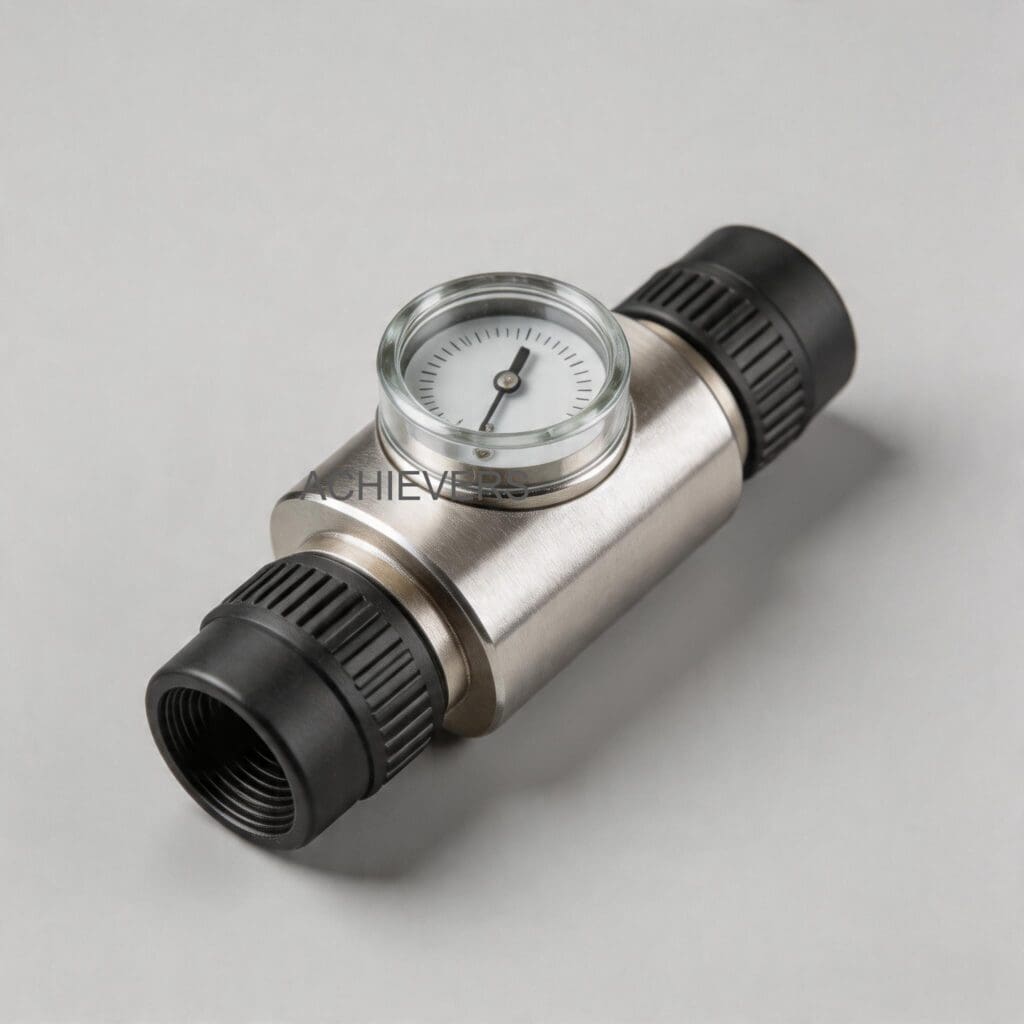
A positive displacement Fuel Flow Meter installed directly on your DG set fuel lines eliminates this guesswork. By tracking the exact volume of diesel passing into the engine (and accounting for what returns to the tank), you get an unalterable, mathematically precise record of true fuel consumption. This data allows you to optimize engine loads, schedule predictive maintenance based on actual fuel burnt, and instantly detect anomalies that indicate theft.
QUICK REFERENCE CHECKLIST: PRE-INSTALLATION SITE AUDIT
- [ ] Confirm DG set capacity (kVA) and maximum fuel consumption rate at 100% load.
- [ ] Identify pipe diameters for both supply and return lines (usually 1", 1.5", or 2").
- [ ] Verify maximum fuel pump delivery pressure against meter ratings (up to 3.4MPa).
- [ ] Check space availability on the skid for straight pipe runs before and after the meter.
- [ ] Ensure Y-strainers are installed upstream of the meter to catch tank sludge.
1. Industry Overview: The Fluid Challenge
Indian industrial sites deal with unique fluid handling challenges. High ambient temperatures in summer cause diesel to expand, altering its volume. Contaminated fuel deliveries containing rust, water, or sludge are common. More critically, the typical architecture of heavy-duty DG sets involves a supply line feeding the injection pump and a return line sending unburnt fuel back to the day tank.
If you only measure what goes into the day tank, you have no idea what the engine actually consumed versus what might have been siphoned off. Facilities running multiple synchronized 1010 kVA or 2000 kVA sets can burn thousands of liters of High-Speed Diesel (HSD) daily. A 5% discrepancy due to "skimming" from the return line or inaccurate dip-rod readings can translate to losses of lakhs of rupees per month.
Regulatory scrutiny under the Legal Metrology Act and PESO (Petroleum and Explosives Safety Organization) guidelines means your fuel storage and handling must be strictly documented. Generic water meters or cheap turbine flow meters fail rapidly when exposed to diesel's viscosity and the vibrational stress of a running DG set. You need a dedicated, industrial-grade Fuel Flow Meter built to handle petroleum products.
2. Product Capabilities Matched to Industry Needs
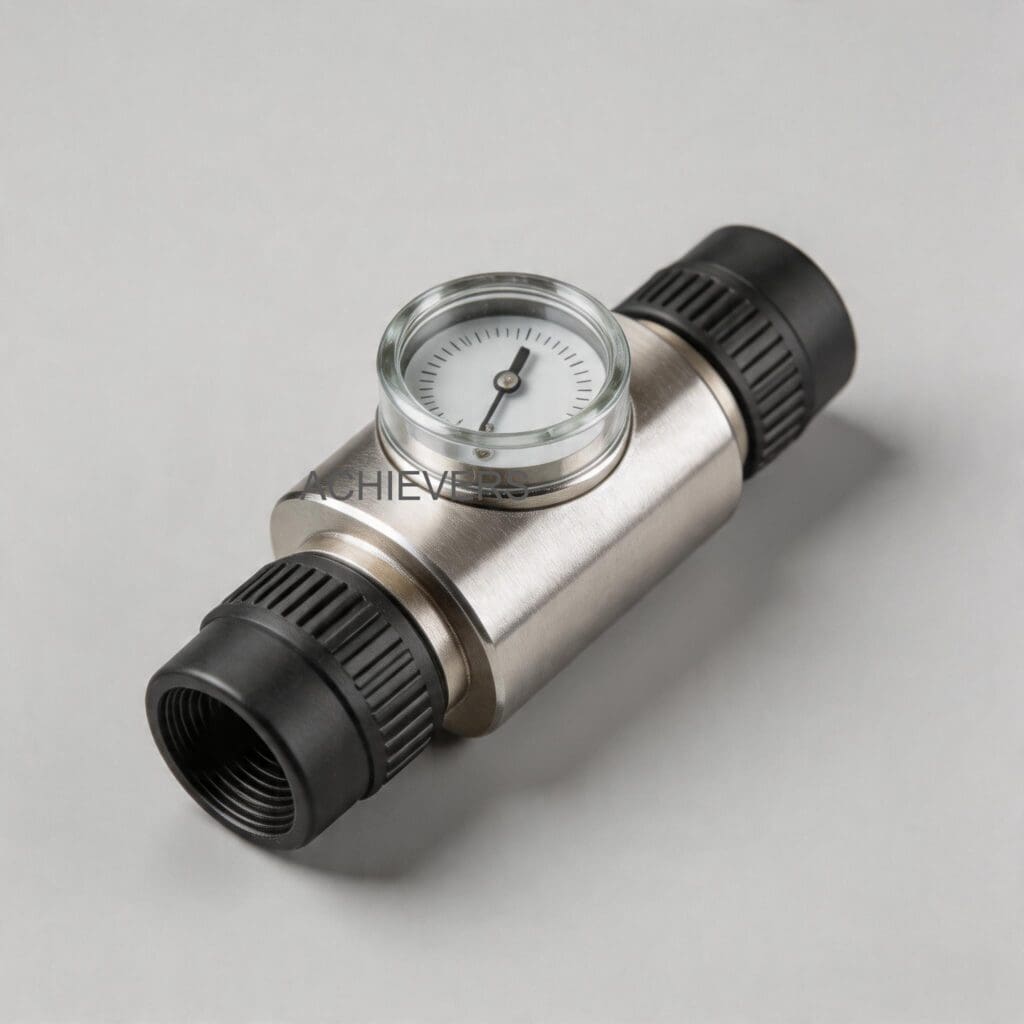
For accurate DG fuel monitoring, the equipment must align with the harsh realities of a mechanical room or outdoor canopy. Here is how a high-quality Fuel Flow Meter addresses these specific industrial requirements.
| Industry Requirement | Fuel Flow Meter Feature | How It Addresses the Need |
| :— | :— | :— |
| High Flow Capacity | 20 to 300 L/min range options | Easily scales from 125 kVA backup units up to massive 2000 kVA prime movers. |
| Tamper Detection | ±0.5% Accuracy & 0.03% Repeatability | Precision measurement makes it impossible to hide incremental fuel skimming or theft. |
| Power Grid Instability | Long Battery Life | Continuous operation and data retention even during blackouts and panel resets. |
| Harsh Environment | Vacuum sealed & leak proof | Protects internal electronics from monsoon humidity, dust, and localized fuel sprays. |
| Fuel Temperature Variations | Max Viscosity handling up to 1000CPS | Maintains accuracy despite diesel density changes between cold mornings and 45°C afternoons. |
| High Uptime Needs | Self-lubricating gears | Positive displacement mechanism requires zero manual lubrication, ensuring long maintenance-free life. |
| Operator Usability | Advanced digital display & dry Totalizer | Allows shift engineers to log precise cumulative data without dealing with mechanical dials. |
| Booster Pump Strain | Operating Pressure up to 3.4MPa | Easily withstands the high-pressure delivery systems required for modern common-rail diesel engines. |
PRO TIP: THE RETURN LINE TRAP
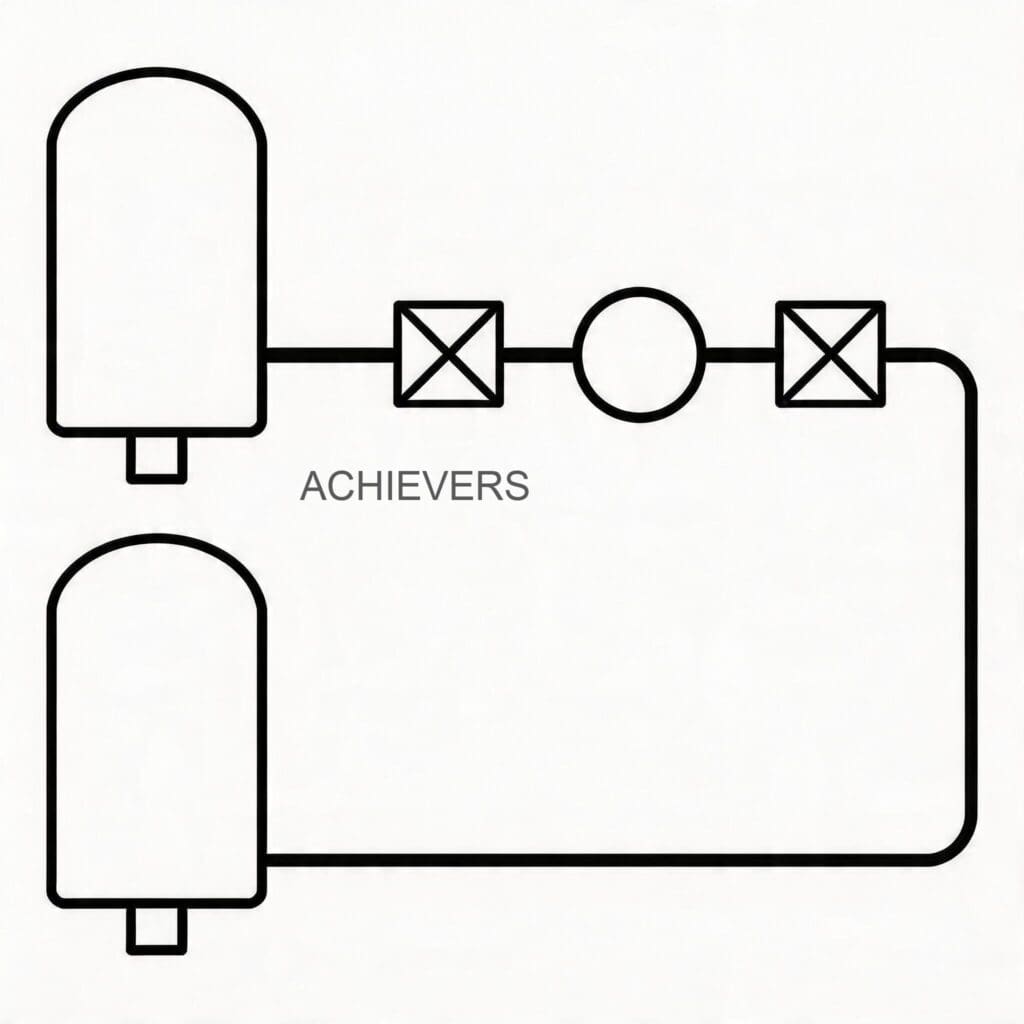
Never install a single flow meter on the supply line and assume that is your consumption. Diesel engines circulate more fuel than they burn to cool the injectors, returning the excess to the tank. To get true consumption, you must either:
1. Use a dual-meter setup (Supply Volume – Return Volume = True Consumption).
2. Re-route the return line to feed back into the supply line after the single flow meter, creating a closed engine loop.
3. Typical Installation Scenarios in This Industry
Deploying a Fuel Flow Meter is not a one-size-fits-all process. Depending on your site's fuel infrastructure, you will encounter one of these three standard configurations:
Scenario A: Main Storage to Day Tank Transfer
In large facilities, diesel is pumped from an underground PESO-approved bulk tank to a smaller 990-liter day tank near the DG. Placing a flow meter on this transfer line acts as your primary custody transfer checkpoint. It verifies exactly how much fuel the transfer pump delivered, ensuring alignment with your main tank inventory. For higher volume transfers, combining this with a specialized Diesel Dispenser system provides automated batch control.
Scenario B: Closed Loop Engine Measurement (Single Meter)
This is the most cost-effective setup for a single DG. The flow meter is installed on the supply line coming from the day tank. The engine's return line, instead of going back to the day tank, is plumbed directly back into the supply line downstream of the flow meter. Therefore, the meter only registers the makeup fuel drawn from the day tank, which exactly equals the fuel burnt by the engine.
Scenario C: Differential Measurement (Dual Meter)
For modern electronically controlled engines where return lines cannot be modified due to pressure or warranty constraints, two matched Fuel Flow Meters are used. One tracks total fuel sent to the engine; the other tracks fuel returned to the tank. The site management system subtracts the return from the supply to calculate net consumption. Because our positive displacement meters offer an incredibly tight 0.03% repeatability, this differential calculation remains highly accurate.
4. Compliance, Accuracy, and Technical Specifications
When procuring equipment for Indian industrial plants, compliance and technical exactness are paramount. Instruments must be capable of surviving harsh realities without degrading in accuracy. These positive displacement meters utilize precision-machined gears that measure a specific volume of fluid with every rotation. Because they are highly sensitive to low flow rates and unaffected by minor liquid density changes, they deliver reliable data regardless of the fuel grade.
Below are the exact specifications for the digital Fuel Flow Meter series manufactured by Chintan Engineers:
| Specification | Model: LI-E-25 | Model: LI-E-40 | Model: LI-E-50 |
| :— | :— | :— | :— |
| Line Size | 1" (Inch) | 1.5" (Inch) | 2" (Inch) |
| Min. Flow Rate | 20 L/min | 25 L/min | 30 L/min |
| Max. Flow Rate | 200 L/min | 250 L/min | 300 L/min |
| Accuracy | ±0.5% | ±0.5% | ±0.5% |
| Repeatability | 0.03% | 0.03% | 0.03% |
| Max. Viscosity | 1000 CPS | 1000 CPS | 1000 CPS |
| Max. Operating Pressure | 3.4 MPa | 1.8 MPa | 1.8 MPa |
Note: For applications requiring measurement of heavier lubricants or hydraulic fluids alongside diesel, consider deploying a dedicated Oil Flow Meter designed specifically for higher viscosity ranges.
5. ROI and Operational Benefits
Investing in accurate flow measurement directly impacts your facility's bottom line. The payback period for a high-quality flow meter on a heavily used DG set is often less than three months purely through the elimination of pilferage and improved operational efficiency.
| Benefit | Typical Improvement | Indian Industry Context |
| :— | :— | :— |
| Theft Prevention | 4-8% reduction in fuel costs | Eliminates the common practice of skimming unmonitored diesel from engine return lines. |
| Vendor Accountability | 100% verification of deliveries | Cross-check bulk fuel supplier invoices against actual day-tank receipts. |
| Engine Efficiency | Detects 2-5% drop in efficiency | Spikes in L/hr consumption highlight clogged injectors or dirty air filters before failure occurs. |
| Automated Logging | Zero manual errors | Shift engineers no longer "guess" dipstick readings during night shifts or monsoons. |
6. Selection Checklist for This Industry
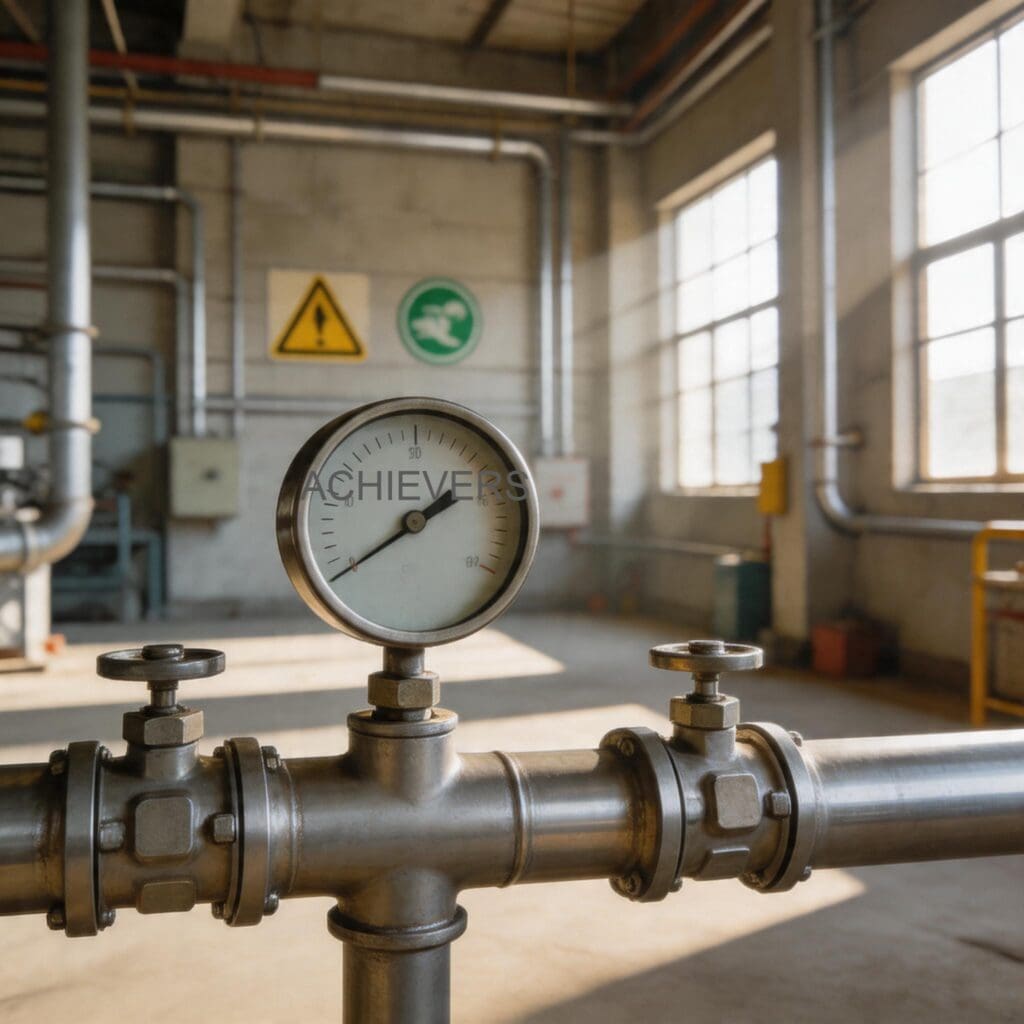
Do not order a flow meter based on pipe size alone. A mismatched meter will cause unacceptable pressure drops or fail prematurely due to over-speeding. Follow this strict parameter checklist when specifying a Fuel Flow Meter for your DG set:
- Calculate Maximum Flow Rate: Check the engine manufacturer's datasheet for the fuel pump's maximum flow rate, not just the burn rate. The meter must handle the total circulated volume.
- Match the Pipe Size: Select between 1", 1.5", or 2" flanged connections to match your existing plumbing, minimizing the need for reducers.
- Determine System Pressure: Verify that your booster pumps do not exceed the meter's maximum operating pressure (3.4MPa for the 1" model, 1.8MPa for 1.5" and 2").
- Specify the Installation Architecture: Decide whether you are doing a single line closed-loop, dual-meter differential, or bulk transfer setup.
- Plan Filtration: Mandate the installation of a Y-strainer (10-30 microns) upstream of the meter to protect the internal gears from Indian tank sludge and rust.
- Evaluate Display Location: Ensure the meter's digital display will be visible and accessible to operators, away from extreme vibration points.
- Verify Viscosity Limits: Ensure the fuel used (HSD, LDO, or biodiesel blends) falls within the 1000 CPS maximum viscosity limit.
- Assess Environmental Protection: Confirm the installation location allows the vacuum-sealed, leak-proof housing to operate without being submerged in standing water during monsoon flooding.
FAQ
Q: Can I use one meter if my DG set has a return line?
A: Only if you modify your plumbing. You must loop the return line back into the main supply line downstream of the meter. Otherwise, if you leave the return line feeding back to the tank, you need two meters (supply and return) to calculate net consumption accurately.
Q: Do these digital meters require external grid power?
A: No. The units feature long battery life and dry totalizers, meaning they continue to record and display accurate flow data even during total site power failures and generator start-up delays.
Q: Will installing a flow meter restrict fuel flow and affect my engine?
A: Not if sized correctly. These positive displacement meters are designed for low head loss. As long as you select a meter with a Max Flow Rate (e.g., up to 300 L/min for the LI-E-50) that exceeds your engine pump's maximum output, engine performance will remain completely unaffected.
Q: How do we prevent damage from contaminated diesel?
A: Positive displacement gears are highly sensitive to solid particulate matter. You must install a dedicated inline strainer or filter immediately before the flow meter to catch rust, dirt, or sludge common in industrial storage tanks.
Q: Are these meters affected by changes in fuel temperature?
A: The physical volume of diesel changes with temperature, but the meter's mechanical positive displacement action is highly stable. With a maximum viscosity handling of 1000 CPS, it easily manages diesel expansion and contraction through extreme Indian summer and winter conditions.
Q: What maintenance is required for the internal mechanism?
A: Very little. The gears are self-lubricating, utilizing the diesel fuel itself to maintain smooth operation. Routine maintenance is generally limited to cleaning the upstream Y-strainer and replacing the digital display battery when eventually needed.
Q: How do I know if I need a 1" or 2" meter?
A: Base your choice primarily on flow rate, not just your existing pipe diameter. A 1" meter (LI-E-25) handles up to 200 L/min, which covers most commercial DG sets. Only move to 1.5" or 2" if your maximum flow rate approaches or exceeds 250 L/min.
Ready to lock down your fuel costs and implement bulletproof diesel accounting at your facility? Contact the technical sales team at Chintan Engineers with your DG set capacity (kVA), supply line pipe size, and typical site layout. We will help you specify the exact Fuel Flow Meter configuration required to stop pilferage and secure your plant's operational efficiency.