
Fuel shrinkage, inaccurate consumption tracking, and custody transfer disputes cost industrial fleet managers and site operators thousands of dollars annually. If your diesel lines rely on incorrect, poorly sized, or incompatible metering equipment, you are effectively bleeding operating capital. Understanding how to choose fuel flow meter for industrial diesel lines is critical to maintaining a tight, auditable fluid management system.
This guide bypasses the basic theory and gets straight to the engineering criteria required to specify the right Fuel Flow Meter for demanding global applications. Whether you are dealing with fluctuating temperatures, high-vibration generator sets, or remote heavy-equipment refueling, selecting the right equipment guarantees precision, eliminates downtime, and prevents costly measurement errors.
QUICK REFERENCE: SPECIFICATION CHECKLIST
- Meter Technology: Positive Displacement (PD) for viscous, self-lubricating diesel.
- Flow Range: Match the meter's sweet spot (typically 20% to 80% of max flow) to your normal operating flow, not just the pipe diameter.
- Accuracy: Target ±0.5% with high repeatability (0.03%).
- Viscosity Limits: Ensure capability up to 1000 CPS for varying diesel blends and temperatures.
- Output: Pulse output or digital totalizer for SCADA/BMS integration.
- Protection: Strainer and air eliminator installed upstream.
1. What Is a Fuel Flow Meter and What Does It Do
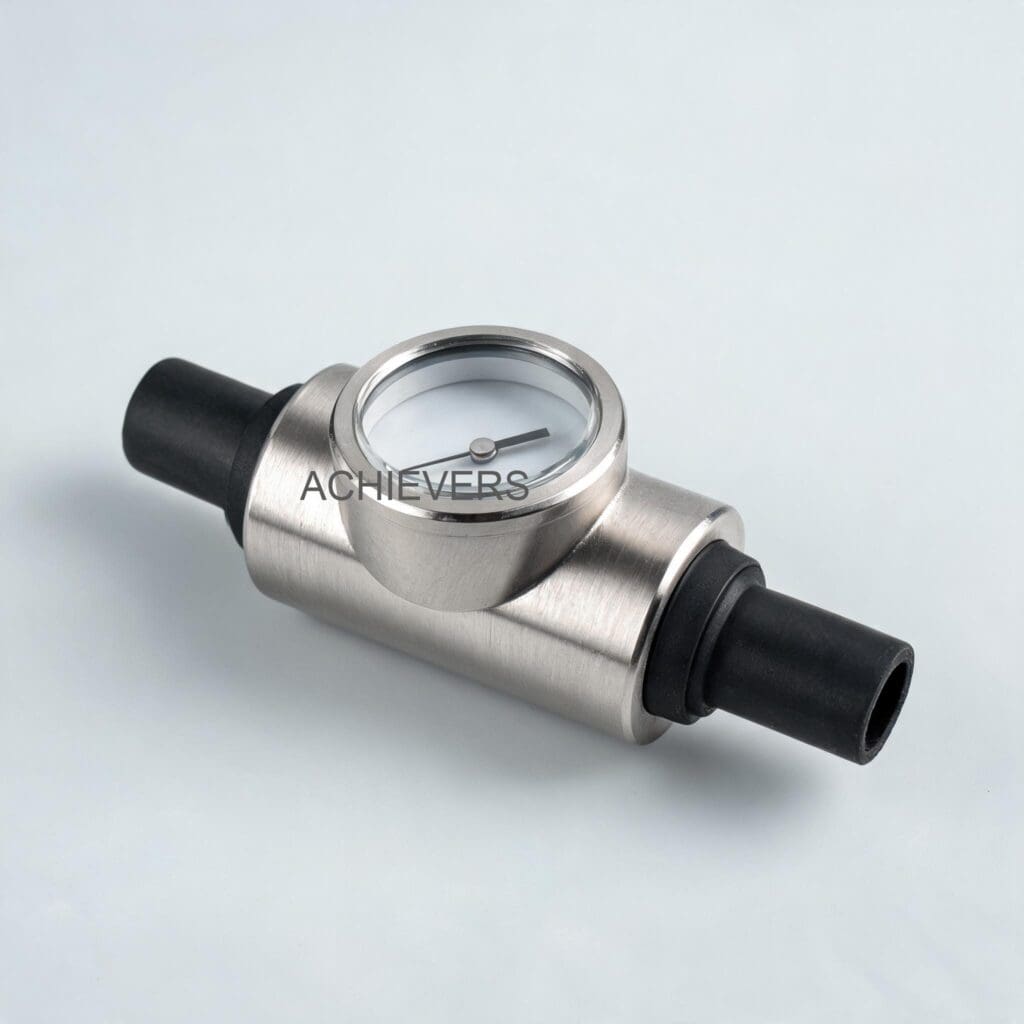
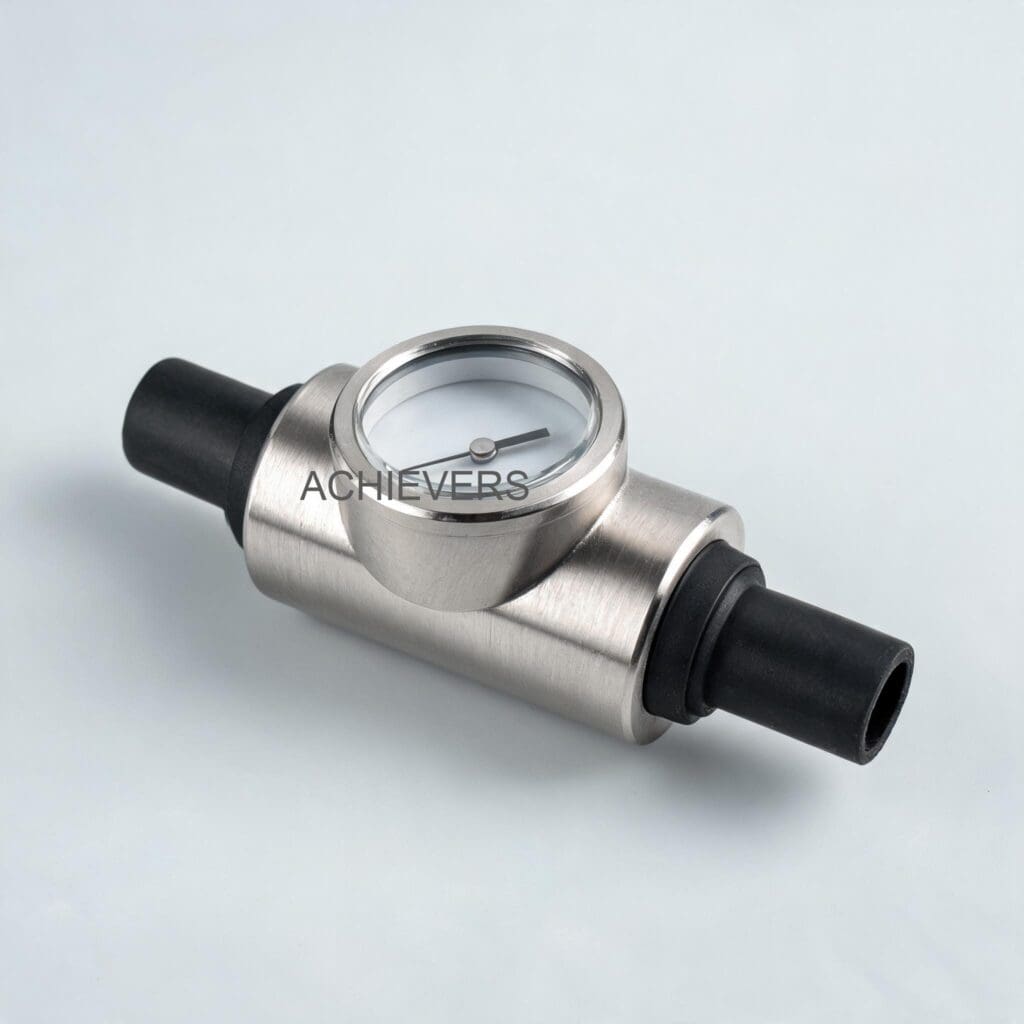
At its core, a Fuel Flow Meter acts as the cash register for your fluid transfer system. For industrial diesel applications, positive displacement (PD) meters, like the LI-111 series, are the standard. A PD meter measures the fluid by dividing the flow into precise, fixed-volume increments using mechanical rotors or gears.
Because diesel is a self-lubricating fluid, PD meters offer exceptionally long maintenance-free lifespans. They provide precise volumetric readings that are highly resistant to the slight viscosity changes caused by temperature swings in exposed environments. The LI-111 series features vacuum-sealed, leak-proof digital totalizers with high sensitivity to low flow rates, making them ideal for both high-speed bulk transfer and low-flow dosing.
Baseline Specifications for Manufacturers
When you look to buy fuel flow meter for diesel transfer, verify the following baseline metrics against your system design parameters:
| Specification Parameter | Value Range / Limit | Engineering Notes |
| :— | :— | :— |
| Technology Type | Positive Displacement | Best for oil-kind fluids; prohibits highly corrosive liquids. |
| Accuracy Class | ±0.5% | Suitable for internal custody transfer and consumption tracking. |
| Repeatability | 0.03% | Ensures batch consistency over time. |
| Max Viscosity | Up to 1000 CPS | Easily handles standard diesel, bio-diesel blends, and light oils. |
| Data Output | Advanced Digital Display | Features a dry totalizer with long battery life. |
2. Key Selection Criteria for Global Industrial Buyers
Industrial environments—from offshore platforms to remote mining sites—forbid equipment failure. Selecting the right meter requires aligning fluid dynamics with site realities.
1. Flow Rate vs. Pipe Sizing
Never size a meter solely by the existing pipe diameter. A 2-inch pipe might carry a flow rate suitable for a 1-inch meter. Always size based on your minimum and maximum expected flow rates. Running a meter below its minimum flow rate destroys accuracy, while over-speeding it causes excessive pressure drop and premature gear wear.
2. Viscosity and Temperature Fluctuations
Diesel viscosity changes inversely with temperature. In cold climates or winter operations, diesel becomes thicker. Ensure your selected meter handles higher viscosities without jamming. The LI-111 handles up to 1000 CPS, providing a massive safety factor for standard diesel operations.
3. Operating Pressure Allowances
A high-capacity pump pushing diesel through long pipe runs will generate significant backpressure. Your meter must withstand the maximum deadhead pressure of the system. Industrial meters should offer pressure ratings between 1.8 MPa (approx. 260 PSI) and 3.4 MPa (approx. 490 PSI) depending on the size and casting.
4. Integration and Signal Outputs
Modern facilities rely on centralized data. An industrial fuel flow meter with pulse output allows direct integration into PLCs, fleet management software, or SCADA systems. This eliminates manual reading errors and enables automated shutdown controls when target batches are reached. If you use a remote Fuel Dispenser, integrating pulse data is non-negotiable.
5. Contamination and Filtration Realities
Real-world diesel is dirty. It contains rust scale, silica, and microbiological growth. Because positive displacement meters have tight internal clearances to maintain their ±0.5% accuracy, particulate ingress is lethal. Sizing and selecting the right upstream Y-strainer (typically 40 to 80 mesh for diesel) is a mandatory part of the flow meter selection process.
6. Entrained Air Management
If a storage tank runs low or a pump cavitates, air enters the line. A PD meter cannot distinguish between a liter of diesel and a liter of air—it will register both, inflating your totalizer reading. If your system is prone to air ingress, an air eliminator must be specified alongside the meter.
RED FLAG WARNING: THE BYPASS TRAP
Never install an industrial flow meter without a bypass loop. If the meter's internal gears lock due to debris, a bypass loop allows you to maintain emergency engine operation or fuel transfer while the meter is serviced. Operating without a bypass on mission-critical generator feeds can result in total plant power failure.
3. Model and Variant Comparison
Matching the exact model to your pump output is critical. Below is the technical breakdown of the LI-series variants based on their bore size and operational capacities.
| Model / Bore Size | Min. Flow Rate | Max. Flow Rate | Max Operating Pressure | Best Industrial Application |
| :— | :— | :— | :— | :— |
| LI-E-25 (1") | 20 L/min | 200 L/min | 3.4 MPa | Day-tank transfers, small generator feeds, light fleet refueling. |
| LI-E-40 (1.5") | 25 L/min | 250 L/min | 1.8 MPa | Medium-duty commercial fleets, heavy machinery dispensing. |
| LI-E-50 (2") | 30 L/min | 300 L/min | 1.8 MPa | High-volume bulk transfer, railcar unloading, main storage filling. |
Note: All models maintain ±0.5% accuracy, 0.03% repeatability, and handle up to 1000 CPS viscosity. Consider an Oil Flow Meter if you are transferring heavier gear oils or hydraulic fluids that exceed standard diesel parameters.
4. Common Mistakes Buyers Make When Choosing
Even experienced engineers can make specification errors that compromise fluid management. Avoid these critical missteps:
- Sizing by Flange Instead of Flow: Choosing a 2-inch meter simply because the pipe is 2 inches. If your flow rate is only 50 L/min, a 2-inch meter (LI-E-50) is operating too close to its extreme low end. The LI-E-25 (1") would be far more accurate.
- Ignoring Pressure Drop (Delta P): Every flow meter creates resistance. If you select a meter that is too small for a high-volume system, the resulting pressure drop will starve downstream equipment or overwork your transfer pumps.
- Omitting Upstream Filtration: Installing a precision PD meter without a strainer guarantees a short lifespan. Welding slag, pipe tape, and rust will quickly score the measuring gears.
- Confusing Repeatability with Accuracy: A meter can be highly repeatable (giving the exact same wrong measurement every time) without being accurate. You must verify both specs. The LI series guarantees 0.03% repeatability alongside ±0.5% accuracy.
- Neglecting the Power Supply Environment: Specifying standard digital displays in remote areas without accounting for battery life. Always opt for meters explicitly designed with "Long Battery Life" and advanced, low-draw displays.
5. Enquiry Specification Checklist
When you contact a manufacturer or a global fuel flow meter supplier in India, Europe, or the Americas, providing vague requirements leads to incorrect quotes. Use this exact 8-step procedure to define your requirements:
- Fluid Type & Grade: Specify the exact fluid (e.g., Ultra-Low Sulfur Diesel, Marine Gas Oil, Bio-diesel B20).
- Flow Rate Parameters: Detail the Absolute Minimum, Normal Operating, and Absolute Maximum flow rates in Liters per minute (L/min).
- Operating Pressures: State the normal line pressure and maximum pump deadhead pressure.
- Viscosity Profile: Provide the fluid viscosity in CPS at your lowest expected ambient temperature.
- Accuracy Requirement: Define the maximum acceptable error margin (e.g., ±0.5%).
- Connection Standards: Specify line size and connection type (e.g., 2" ANSI Flange, 1.5" BSP thread).
- Data Output Needs: Explicitly request mechanical totals, digital displays, or an industrial fuel flow meter with pulse output for telemetry.
- Site Conditions: Note any extreme environmental factors—salt spray, ATEX/hazardous zone ratings, or extreme ambient temperatures.
Generating fuel flow meter specifications for manufacturers using this rigorous checklist eliminates back-and-forth communication and ensures the quoted equipment is fit for purpose on day one.
FAQ
Q: Can a positive displacement diesel flow meter measure water or corrosive chemicals?
A: No. PD meters rely on the fluid for internal gear lubrication. Pumping water or corrosive chemicals will strip the lubrication, causing the gears to seize and potentially destroying the internal casing.
Q: How often does an industrial fuel flow meter require calibration?
A: For standard internal consumption tracking, field proving and calibration checks should be performed every 12 months. For high-volume continuous transfer, a 6-month interval is recommended to maintain the ±0.5% accuracy.
Q: What causes a digital fuel flow meter display to suddenly read erratically?
A: Erratic readings are almost always caused by entrained air in the system, a failing battery on the digital display, or debris partially blocking the internal rotors. Check your upstream strainer and air eliminator first.
Q: Why is there a minimum flow rate listed on the specifications?
A: PD meters have microscopic clearances between the gears and the casing. At extremely low flow rates, fluid can "slip" past the gears without turning them, resulting in unmeasured fluid and an inaccurate totalizer reading.
Q: Do I need straight pipe runs before and after a PD flow meter?
A: Unlike turbine or ultrasonic flow meters, positive displacement meters do not require flow conditioning. You do not need specific lengths of straight pipe upstream or downstream, making them highly versatile for tight installations.
Q: How do I connect the flow meter to my fleet management software?
A: You must specify an industrial fuel flow meter with pulse output. The meter will send electrical pulses (e.g., 10 pulses per liter) to your PLC or fuel management terminal, which translates the signals into real-time digital volume data.
Q: Is pressure drop a serious concern with the LI-111 series?
A: The LI-111 is designed for "Low head loss." However, fluid viscosity and flow velocity dictate the exact pressure drop. As long as the meter is sized correctly according to the min/max flow parameters, pressure drop will remain negligible.
To eliminate fluid losses and lock down your diesel consumption data, taking action on equipment upgrades is your next critical step. Contact Chintan Engineers today with your flow rates, line sizes, and site conditions, and our technical team will engineer the precise dispensing and metering solution for your facility.