
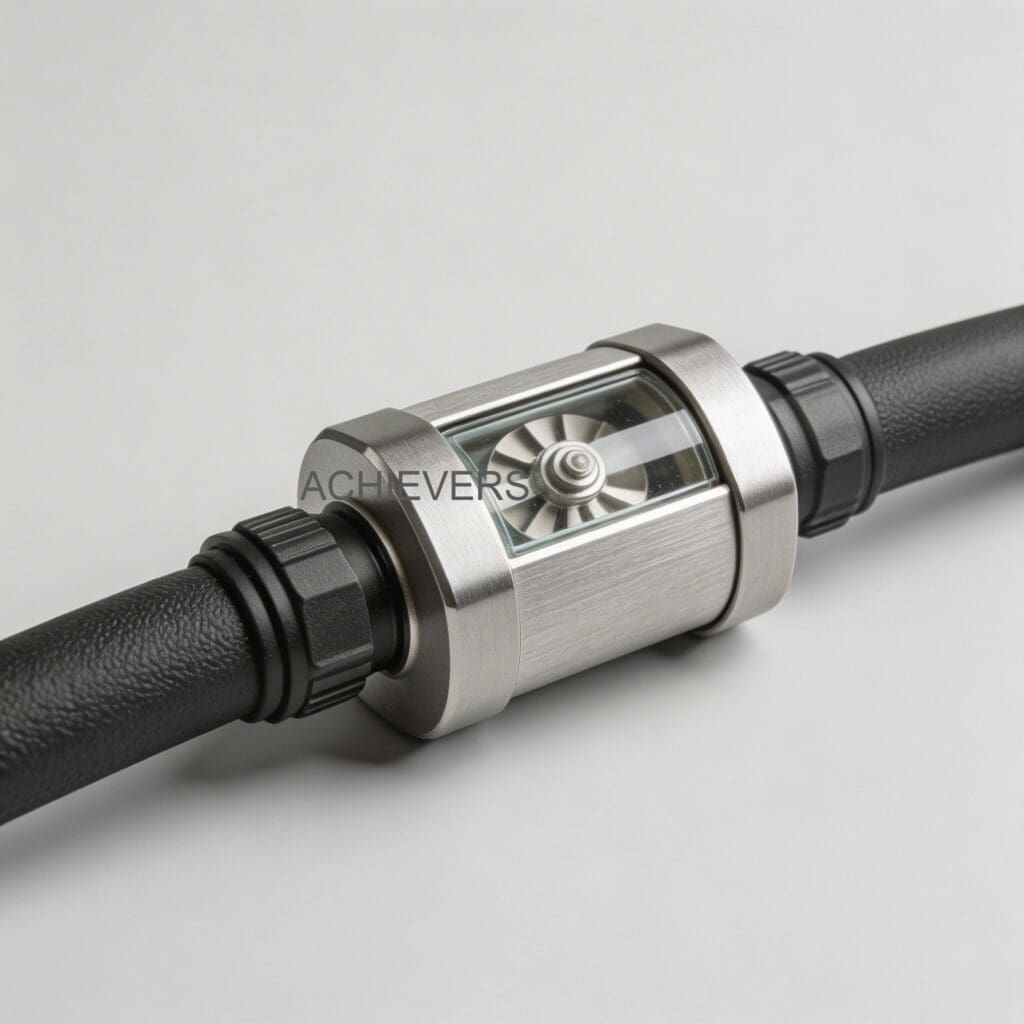
In industrial diesel lines across India—from remote mining sites in Jharkhand to heavy manufacturing plants in Maharashtra—a drifting meter costs you money every second. If your dispensing system reads just 1% off on a 20,000-liter daily throughput, you are losing 200 liters of diesel daily. Over a single month, that translates to over ₹5,00,000 in unaccounted fuel shrinkage.
Preventive maintenance is not a luxury; it is the most basic form of financial control. A well-maintained Fuel Flow Meter provides reliable, precise fluid measurement unaffected by fluid density changes. However, when deployed in the harsh realities of Indian industrial sites—facing dust, extreme heat, adulterated fuel, and monsoon moisture—even the most robust equipment requires a strict maintenance protocol to prevent accuracy drift.
Whether you operate a standalone pump or a fully integrated Diesel Dispenser skid, ignoring your flow meter's health guarantees operational losses. This guide provides a field-ready, non-negotiable preventive maintenance schedule to keep your positive displacement meters highly accurate, compliant, and operational.
QUICK REFERENCE: CORE PREVENTIVE MAINTENANCE CHECKLIST
- Daily: Visual leak check at flanges, verify LCD display function, ensure zero-reset works.
- Weekly: Drain water separators, check system pressure.
- Monthly: Clean upstream Y-strainers and filters.
- Quarterly: Conduct proving tank calibration check (Legal Metrology compliance).
- Annually: Replace O-rings, check rotor backlash, replace battery.
1. Product Overview and Critical Wear Components
To maintain a Fuel Flow Meter, you must understand how it works. We utilize positive displacement (PD) technology. A PD meter is essentially a precision volumetric measurement device. It captures a specific volume of fluid in a chamber and rotates it to the outlet. Because the internal tolerances between the self-lubricating gears and the casing are extremely tight, the meter is highly sensitive to low flow rates and provides precise measurement over its entire flow range.
However, these tight tolerances make the meter highly vulnerable to solid contaminants. If dirt, rust from old storage tanks, or debris bypasses your filters, it will score the internal rotors. This scoring increases the "slip" (fluid bypassing the measuring chamber), directly causing your meter to read less fuel than is actually passing through.
Here are the technical specifications of the LI-111 series Fuel Flow Meter that govern your maintenance limits:
| Technical Specification | LI-E-25 (1") | LI-E-40 (1.5") | LI-E-50 (2") |
| — | — | — | — |
| Min. Flow Rate | 20 L/min | 25 L/min | 30 L/min |
| Max. Flow Rate | 200 L/min | 250 L/min | 300 L/min |
| Accuracy Model | ±0.5% | ±0.5% | ±0.5% |
| Repeatability | 0.03% | 0.03% | 0.03% |
| Max. Viscosity | 1000 CPS | 1000 CPS | 1000 CPS |
| Max. Operating Pressure | 3.4 MPa | 1.8 MPa | 1.8 MPa |
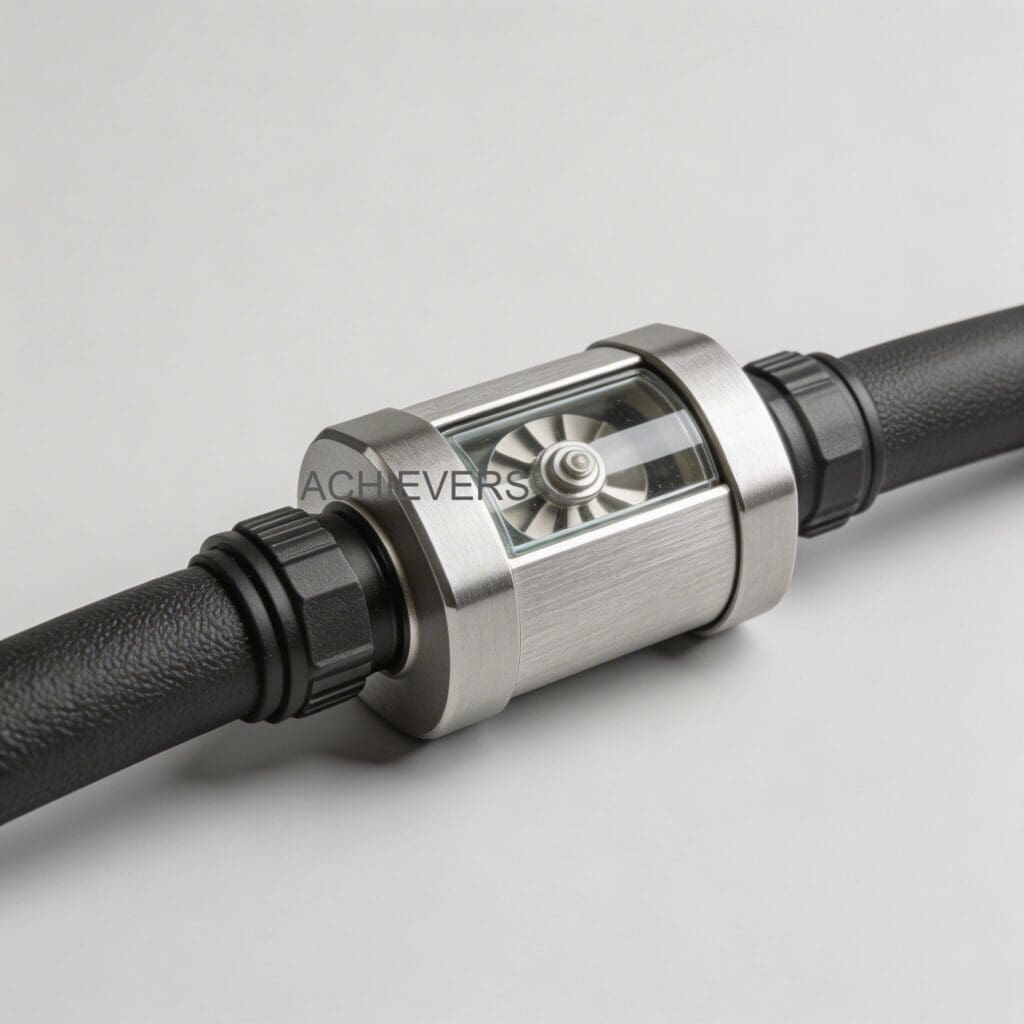
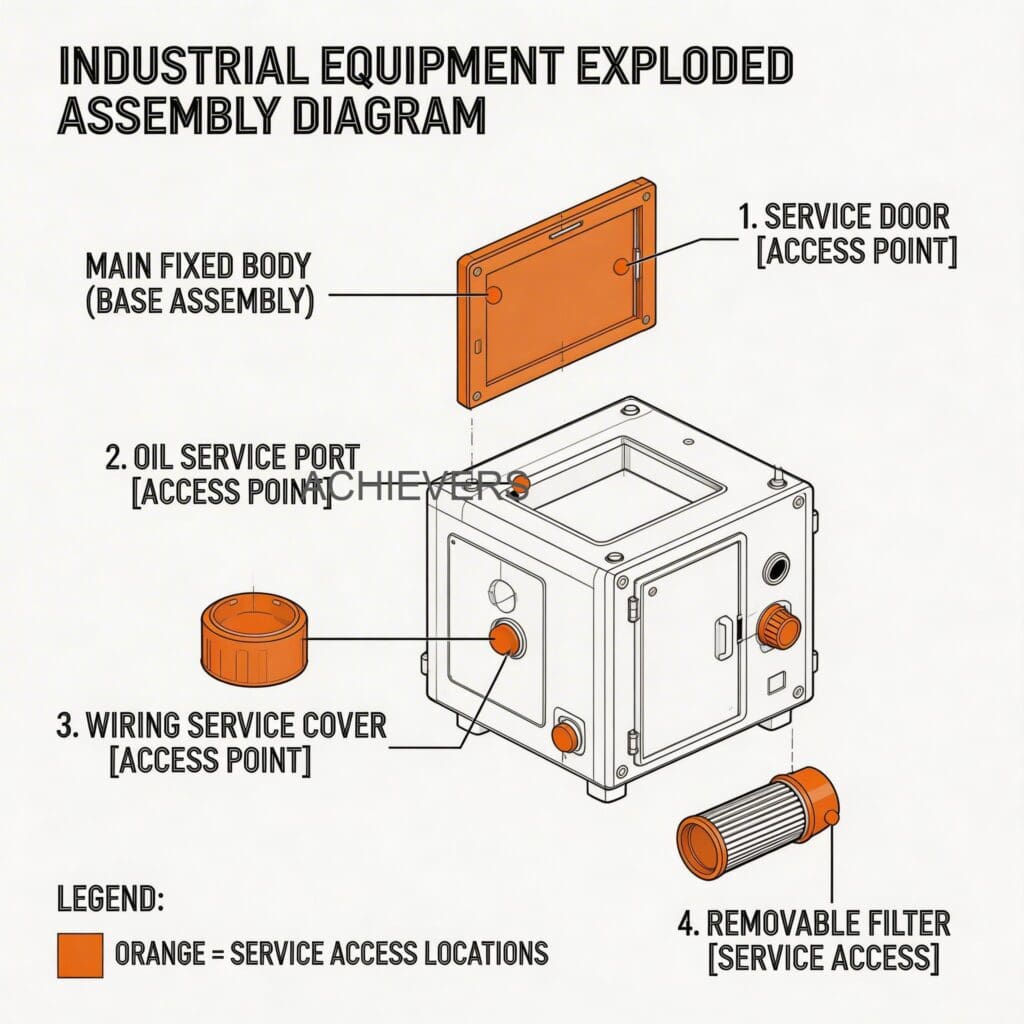
Critical wear components include the internal gears (rotors), the vacuum-sealed electronic display unit, internal O-rings, and the lithium battery powering the dry totalizer.
RED FLAG WARNING: THE BYPASS TRAP
Never bypass the upstream Y-strainer to artificially increase flow rates. Indian diesel lines often carry high levels of particulate matter and sludge, especially during the monsoon. Running unfiltered fuel through a PD meter will immediately score the measuring rotors, permanently destroying the meter's ±0.5% accuracy, increasing slip, and voiding your warranty.
2. Preventive Maintenance Schedule
Standardize this schedule across your maintenance teams. Assign clear responsibility for each task. Treat your Fuel Flow Meter with the same rigor you apply to your heavy plant machinery.
| Task | Frequency | Responsible | Est. Time | Notes |
| — | — | — | — | — |
| Visual inspection for flange/thread leaks | Daily | Pump Operator | 5 mins | Tighten bolts if weeping occurs. |
| Display functionality and zero-reset check | Daily | Pump Operator | 2 mins | Ensure digits are clear and reset works. |
| Drain primary water separator | Weekly | Maintenance Tech | 10 mins | Critical during Indian monsoon season. |
| Check operating pressure | Weekly | Maintenance Tech | 5 mins | Pressure drop indicates a clogged filter. |
| Clean upstream Y-strainer/filter | Monthly | Maintenance Tech | 30 mins | Prevents rotor scoring. |
| Inspect earthing/grounding connections | Monthly | Electrician | 15 mins | Prevents static buildup and display surges. |
| Calibration check (Proving Tank) | Quarterly | Site Engineer | 60 mins | Use a PESO/Legal Metrology certified tank. |
| Inspect O-rings and terminal seals | Bi-Annually | Maintenance Tech | 45 mins | Look for hardening due to heat exposure. |
| Complete meter teardown and cleaning | Annually | Specialist/Chintan | 2 hours | Remove lacquer buildup from rotors. |
| Replace display battery | Annually | Instrument Tech | 10 mins | Proactive replacement prevents data loss. |
3. Step-by-Step Procedures for Key Tasks
Leaving maintenance to guesswork leads to broken equipment. Follow these exact procedures to maintain your dispensing hardware.
Procedure 1: Cleaning the Upstream Y-Strainer
A clogged strainer starves the pump, causes cavitation, and introduces air into the line—all of which ruin flow meter accuracy.
- Isolate the fuel line by closing the isolation valves immediately upstream and downstream of the flow meter assembly.
- Engage the pump momentarily to relieve internal line pressure, then switch off and Lock Out/Tag Out (LOTO) the power supply.
- Place a drip pan under the Y-strainer to catch residual diesel.
- Using an appropriate wrench, slowly loosen the Y-strainer cap. Allow trapped air to vent and residual fuel to drain before completely removing the cap.
- Extract the stainless steel mesh basket. Inspect the mesh under bright light. If the mesh is torn or warped, discard it immediately.
- Clean the reusable mesh basket using a clean solvent (like kerosene) and a soft bristle brush. Do not use wire brushes as they distort the micron gaps. Use compressed air (blowing from the outside in) to clear stubborn particles.
- Inspect the O-ring on the strainer cap. If it is flattened or cracked, replace it. Lubricate the new O-ring lightly with clean diesel.
- Reinsert the mesh basket, thread the cap back on by hand to prevent cross-threading, and tighten securely with a wrench. Open the valves slowly to check for leaks.
Procedure 2: In-Field Calibration Check and Drift Control
To comply with the Legal Metrology Act and ensure you aren't losing money, verify your meter's accuracy quarterly.
- Procure a locally certified, calibrated proving tank (typically 20L or 50L capacity) verified by the Weights and Measures department.
- Ensure the proving tank is placed on level ground and is completely drained from any previous tests.
- Run a small amount of diesel through the dispensing nozzle back into your main storage to purge any air pockets from the line. Air reads as volume and skews results.
- Reset the Fuel Flow Meter display to exactly zero.
- Dispense diesel into the proving tank at the normal operating flow rate (e.g., 150 L/min for a LI-E-40 model) until the fluid reaches the nominal capacity mark on the tank's neck scale.
- Record the reading on the flow meter display.
- Calculate the error percentage using the formula: Error = ((Meter Reading – Proving Tank Volume) / Proving Tank Volume) * 100.
- If the error exceeds ±0.5%, refer to the manufacturer's manual to adjust the electronic calibration factor. Repeat the test until the reading falls within the acceptable accuracy threshold.
4. On-Site Spare Parts to Stock
Procurement delays kill plant productivity. Do not wait for a component to fail before ordering it. Keep the following spares in your site's maintenance store.
| Part | Type | Recommended Qty | When to Replace |
| — | — | — | — |
| Lithium Battery pack | Consumable | 2 per meter | Annually or when low battery icon flashes. |
| Upstream Strainer Mesh | Wear Part | 2 per installation | When warped, torn, or unable to be cleaned. |
| Flange O-Rings | Consumable | 1 set per meter | Annually or whenever flanges are opened. |
| Measuring Rotors/Gears | Wear Part | 1 set per 5 meters | If calibration drift cannot be corrected electronically. |
| Display Circuit Board | Electronic | 1 per site | In case of severe lightning strike or power surge. |
If you are dealing with heavier fluids like thermic fluids or heavy furnace oils at your plant, standard diesel meters will fail. Ensure you are using a dedicated Oil Flow Meter designed for high-viscosity applications.
5. Diagnosing Maintenance-Related Failures
When a flow meter acts up, the issue is rarely a manufacturing defect; it is almost always a maintenance failure. Use this diagnostic table to trace symptoms to their root cause.
| Failure Symptom | Missed Maintenance Task | Corrective Action |
| — | — | — |
| Meter reads consistently higher than actual volume | Failed to purge air / Air leak in suction line | Check all suction side joints and tighten flanges. Bleed air from the system. |
| Meter reads consistently lower than actual volume (Slip) | Skipped strainer cleaning / Rotors are scored | Replace internal rotors. Deep clean and replace the upstream filtration system. |
| Flow rate drops drastically | Ignored Y-strainer / Filter clogging | Remove and clean the Y-strainer mesh basket immediately. |
| LCD display is blank or fading | Annual battery replacement missed | Replace the lithium battery. Check battery terminal for corrosion. |
| Erratic or jumping digital readouts | Missed electrical earthing inspection | Repair grounding cable. Industrial static buildup is interfering with the pulse sensor. |
| Fuel weeping from meter body joints | Ignored O-ring replacement schedule | Isolate line, depressurize, and replace all flange and body O-rings. |
6. Extending Service Life in Indian Conditions
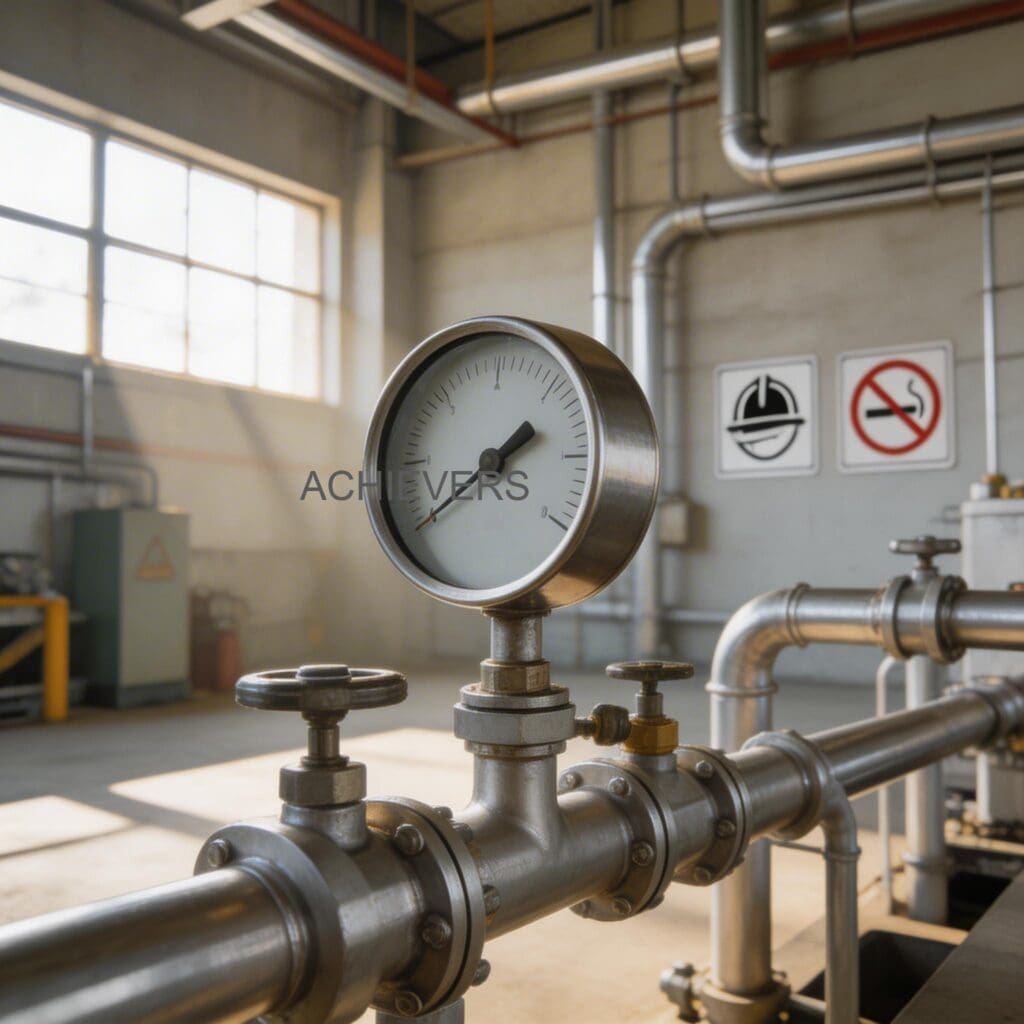
Operating industrial fluid handling equipment in India presents unique geographical and infrastructural challenges. Standard global maintenance guides often fail to account for these specific conditions.
Managing High Ambient Heat:
In regions like Rajasthan or Central India, summer temperatures can push fuel line temperatures up. High heat causes diesel to expand and reduces its viscosity. It also degrades rubber O-rings faster. Shield your dispensing skids from direct sunlight with a simple canopy. This prevents the LCD screens from blacking out due to UV damage and extends the life of terminal seals.
Combating Dust in Mining and Cement Sectors:
If your meter is operating in a dusty environment, external maintenance is just as critical as internal. A thick layer of conductive dust on the meter body can bridge electrical components or obscure the advanced display. Wipe down the meter daily. More importantly, ensure the fuel tank breathers are fitted with desiccant and dust filters; otherwise, that airborne dust gets sucked into the fuel and eventually hits your meter rotors.
Dealing with Adulterated Fuel:
Contaminated or adulterated diesel—often mixed with solvents or kerosene—can lack the lubricity required by the self-lubricating gears of a positive displacement meter. If you suspect poor fuel quality, increase your calibration check frequency from quarterly to monthly. Poor lubricity will cause the gears to wear down faster, increasing the gap between the rotor and the casing, leading to under-reporting of dispensed fuel.
Power Quality Issues:
While the LI-111 meter features long battery life, supporting systems like pumps and electronic valves rely on the grid. Voltage fluctuations and surges are common in Indian industrial estates. Ensure your complete dispensing system is connected through a robust voltage stabilizer and possesses dedicated copper earthing. A stray voltage spike won't just fry a pump motor; it can travel through the fluid or casing and permanently damage the meter's microprocessor.
FAQ
Q: How often do I legally need to calibrate my Fuel Flow Meter in India?
A: Under the Legal Metrology Act, equipment used for commercial transactions must be stamped and verified annually by the state Weights and Measures department. However, for internal industrial tracking, we recommend a quarterly calibration check using a proving tank to ensure accuracy.
Q: The digital display on my meter is fading. Is the meter broken?
A: No. The LI-111 features an advanced display powered by a battery. A fading screen simply means the internal lithium battery is nearing the end of its life. Replace the battery immediately to prevent losing your totalizer data.
Q: Can I use this diesel flow meter to measure water or DEF (AdBlue)?
A: Absolutely not. This positive displacement meter relies on the lubricity of oil-type liquids (like diesel) to lubricate its internal gears. Pumping water or corrosive fluids like DEF will cause immediate internal rusting, seizure of the gears, and irreversible damage.
Q: My flow meter is reporting 5% more fuel than my storage tank says I have. Why?
A: You likely have air ingress on the suction side of your pump. Flow meters measure volume—they cannot differentiate between a liter of diesel and a liter of air. Check all plumbing joints, valves, and filters upstream of the pump for air leaks.
Q: What is the maximum pressure this meter can handle?
A: It depends on the size. The 1-inch LI-E-25 model handles up to 3.4 MPa, while the 1.5-inch and 2-inch models handle up to 1.8 MPa. Always install a pressure relief valve in your system to prevent hydraulic shock from damaging the meter's vacuum seal.
Q: Can I clean the flow meter with compressed air?
A: You can use compressed air to clean the external casing and the removed strainer mesh. However, never blast high-pressure compressed air directly through the flow meter body. The extreme RPM caused by the air will destroy the precise calibration of the rotors and damage the bearings.
Q: Do I need a straight pipe run before the meter?
A: Unlike turbine meters, positive displacement meters are generally not affected by flow profile distortions. You do not strictly need long straight pipe runs before or after the meter, making them highly suitable for compact skid installations.
Stop losing money to inaccurate dispensing and unplanned downtime. If you are setting up a new line, upgrading an old mechanical system, or require specialized fluid handling solutions tailored to rugged Indian conditions, we can help. Contact Chintan Engineers today with your required flow rate, fluid type, and site conditions, and our technical team will engineer the precise dispensing solution your plant requires.