
In oil storage terminals, minor measurement variances translate directly into massive financial losses. When you are transferring millions of liters of middle distillates daily, a standard volume error of just 0.5% can wipe out operational margins, obscure theft, and create irreconcilable custody transfer disputes. Generic volume measurement tools fail under continuous high-flow gantry conditions; you need purpose-built metrology.
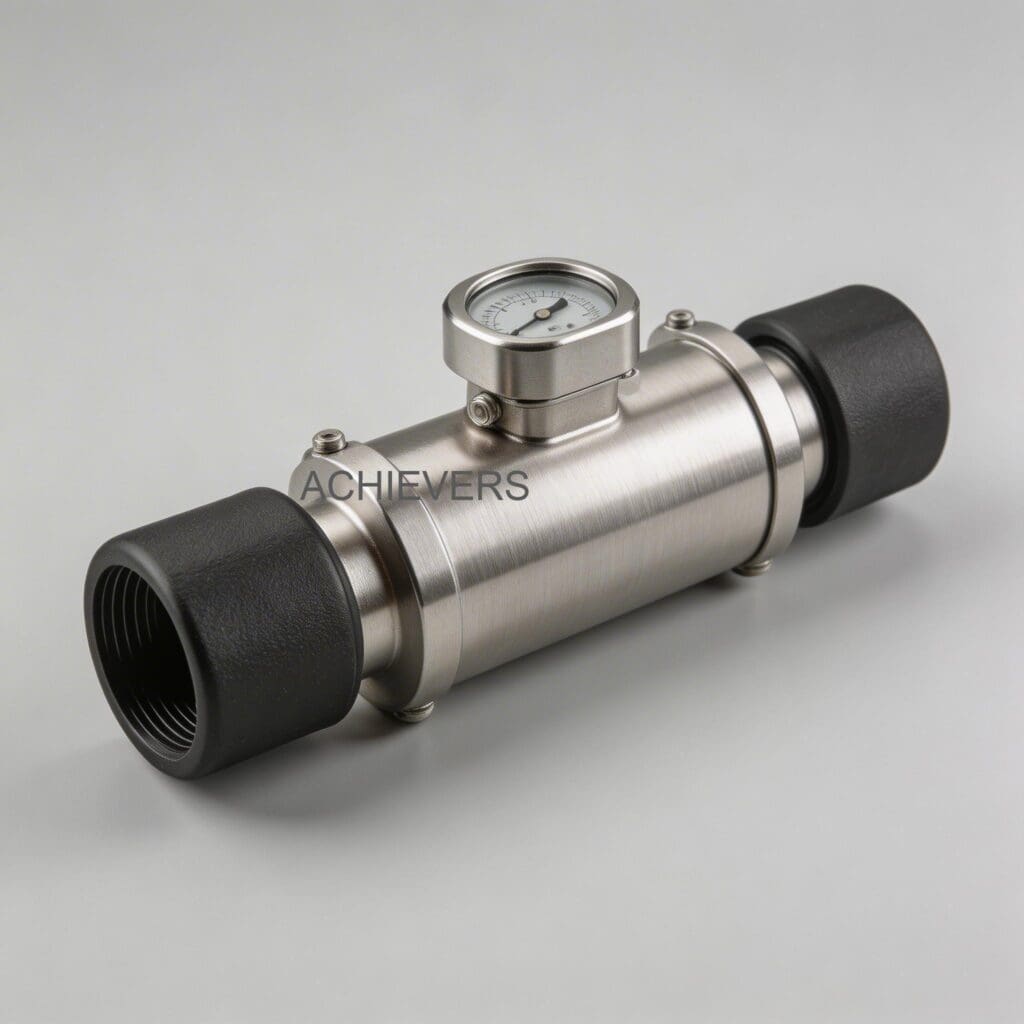
Deploying a precision Diesel Flow Meter at your terminal’s loading and unloading skids is the critical first step to locking down inventory control. This provides accurate, standardized, and repeatable fluid measurement that tightens loss reduction protocols and meets the strict custody transfer demands of global API and ISO standards.
Quick Reference: Terminal Flow Meter Deployment
- Application: Custody transfer, inventory allocation, and leak detection.
- Target Accuracy: +/- 0.5% continuous precision.
- Viscosity Range: Must handle 8 to 5000 mPas without performance degradation.
- Display Type: 9×4 digit electronic counter for flow rate and totalized batching.
- Line Integration: 1/2" to 4" flanged connections for direct skid mounting.
1. Industry Overview: The Fluid Challenge
Storage terminal operators face a trifecta of fluid handling challenges: fluctuating throughput velocities, temperature-induced viscosity changes, and severe pipe vibration from positive displacement pumps. During high-speed truck or railcar loading, aeration and pressure spikes can cause inferior meters to register false volumes. Furthermore, middle distillates like diesel and biodiesel blends vary in density depending on geographic origin and seasonal blending, meaning the metering technology must remain independent of fluid viscosity.
For global terminal operations, custody transfer accuracy is legally binding. Discrepancies between the bill of lading (BOL) and the received tank volume trigger costly investigations. Reliable metering infrastructure bridges the gap between bulk storage and distribution, eliminating the "unaccounted for" losses that drain profitability.
2. Product Capabilities Matched to Industry Needs
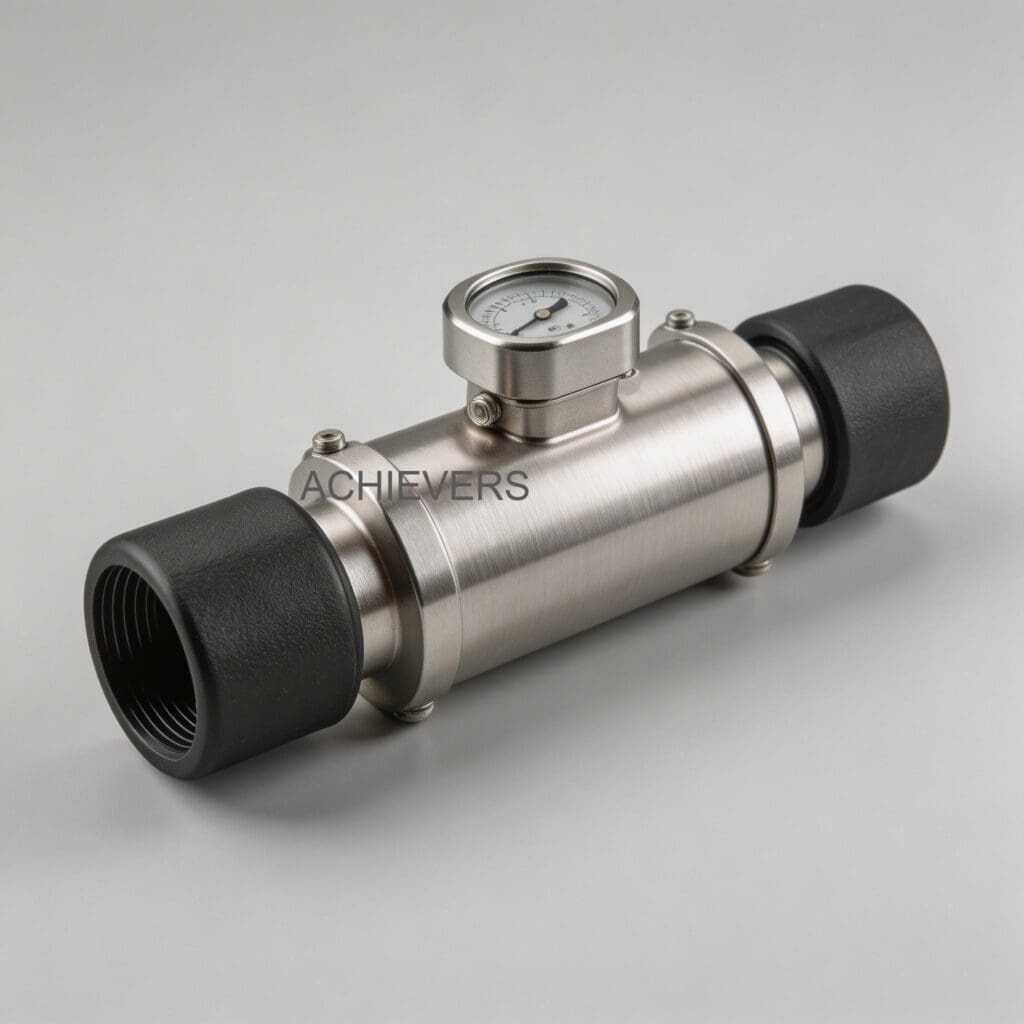
To meet industrial custody transfer requirements, terminal infrastructure must leverage specialized equipment. The Diesel Flow Meter is engineered specifically for these harsh, high-throughput environments.
| Terminal Requirement | Product Feature | How It Addresses the Need |
| :— | :— | :— |
| Custody Transfer Accuracy | Highly Accurate (+/- 0.5% precision) | Ensures commercial transactions and BOLs match exact dispensed volumes, preventing dispute. |
| Varying Fluid Consistency | Viscosity Independent (8-5000 mPas) | Maintains accuracy regardless of temperature shifts or seasonal biodiesel blending. |
| High-Vibration Environments | High Vibration Resistance & Strong Build | Prevents mechanical degradation and sensor failure near heavy-duty terminal pumps. |
| Batch & Cumulative Tracking | 9×4 Digit Electronic Counter | Provides simultaneous flow rate indication and resettable totalized flow for batch loading. |
| Piping Scalability | Available in 1/2" to 4" diameters | Fits standard terminal piping networks, from additive injection lines to main loading headers. |
| Terminal Operating Pressures | Rated up to 50 psi / 3.5 bar | Safely handles the pressure generated by standard terminal transfer pumps without leaking. |
| Data Integration | Electronic Registration / Ticket Printer compatible | Allows integration into terminal automation systems (TAS) for automated ticketing. |
| Continuous Operation | Minimum Maintenance / Long Life | Reduces skid downtime, ensuring round-the-clock loading gantry availability. |

Red Flag Warning:
Never install a flow meter directly downstream of a pump without adequate straight pipe runs or a flow conditioner. Fluid turbulence and swirl will destroy your measurement accuracy. Always install an air eliminator and a Y-strainer upstream of the meter to protect internal components from pipeline scale and ensure you are measuring liquid, not air.
3. Typical Installation Scenarios in This Industry
Scenario A: Truck and Rail Loading Gantries
At the loading rack, speed and accuracy are paramount. The Diesel Flow Meter is installed on the loading arm riser. It is typically paired with a preset batch controller and a digital control valve. When a driver inputs the required volume, the meter tracks the flow rate, dynamically adjusting the valve to prevent water-hammer at shutoff. For sites dispensing directly to smaller commercial fleets, integrating a complete Fuel Dispenser unit provides an all-in-one housing for the meter, pump, and hose management.
Scenario B: Pipeline Unloading Skids
When receiving bulk diesel from ships or pipelines, verification is your defense against supplier shortfalls. The flow meter is flanged into the main receiving header (typically 4-inch diameter). Because terminal receiving lines operate under varied pressures, the meter’s tolerance up to 50 psi (3.5 bar) ensures safe operation. The 9×4 digit electronic counter totalizes the massive receipt volumes, allowing terminal managers to verify the incoming manifest before the fuel hits the bulk storage tanks.
Scenario C: Tank-to-Tank Internal Transfers
Routine terminal maintenance requires moving product between storage tanks. A mobile or skid-mounted Diesel Flow Meter setup tracks these internal movements. Since this operation is often handled via portable positive displacement pumps, the meter’s high vibration resistance guarantees that the internal measuring elements remain stable, ensuring precise inventory allocation across the facility.
4. Compliance, Accuracy, and Certification Requirements
Global oil and gas terminals do not operate on assumptions. Equipment must align with international standards. While local legal metrology governs specific commercial approvals, industrial buyers globally require alignment with API MPMS (Manual of Petroleum Measurement Standards) Chapter 5 for liquid metering.
The requirement for +/- 0.5% precision directly supports OIML R117 recommendations for dynamic measuring systems for liquids other than water. Furthermore, because diesel terminals are classified as hazardous locations, electronic counters and ticket printers must be compatible with ATEX, IECEx, or UL standards for explosive atmospheres (typically Zone 1 or Zone 2). The robust, cutting-edge design of this meter ensures the mechanical housing can withstand standard terminal safety audits.
5. ROI and Operational Benefits
Implementing exact fluid measurement transforms terminal operations from reactive to proactive, generating immediate return on investment.
| Operational Benefit | Typical Improvement | Storage Terminal Context |
| :— | :— | :— |
| Loss Reduction | Eliminates 95% of unaccounted variances | Identifies if losses are due to temperature expansion, pipe leaks, or unauthorized extraction. |
| Inventory Optimization | Real-time mass balance accuracy | Allows terminals to operate closer to maximum tank capacity without fear of overfill. |
| Faster Turnaround | 20% reduction in truck loading times | Resettable batch counters and flow rate indication allow drivers to load efficiently. |
| Maintenance Savings | Extended operational lifespan | High vibration resistance means fewer calibration intervals and reduced replacement costs. |
6. Selection Checklist for This Industry
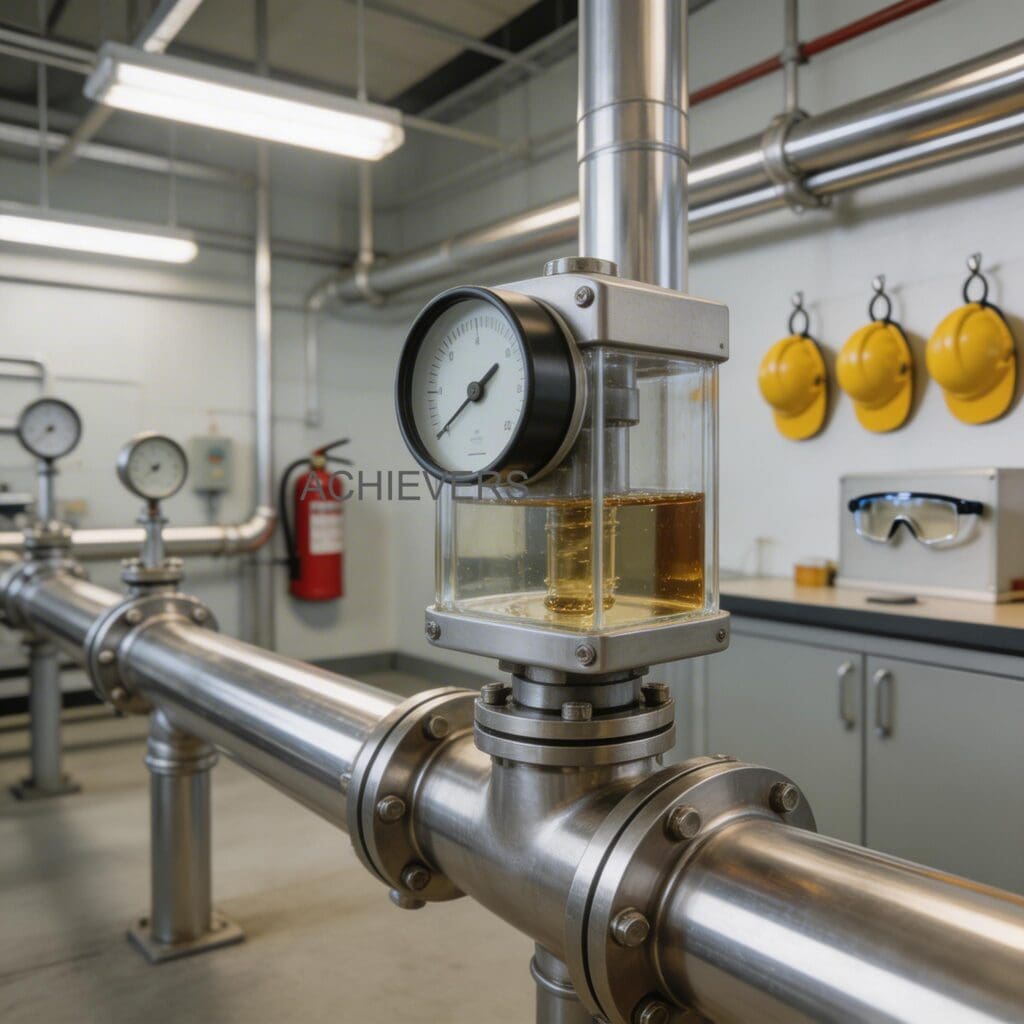
To correctly specify a Diesel Flow Meter for your terminal operations, complete the following engineering evaluation before procurement:
- Calculate Maximum Flow Rate: Determine the peak throughput of your transfer pump to ensure it falls within the meter's linear accuracy curve.
- Specify Pipe Diameter: Select the appropriate flange size from the available 1/2" to 4" range to match your existing skid headers.
- Verify Operating Pressure: Confirm your system's maximum head pressure does not exceed the meter's 50 psi / 3.5 bar safety rating.
- Assess Fluid Viscosity: Ensure the fluids pumped fall within the 8-5000 mPas range (this accommodates diesel, biodiesel, and heavier fuel oils).
- Determine Display Requirements: Decide if the standard 9×4 digit electronic counter is sufficient or if an integrated ticket printer is required for BOL generation.
- Evaluate Filtration Needs: Plan for a strainer installation upstream to capture pipe scale or welding slag.
- Check Vibration Profiles: Assess the mounting location relative to pumps; utilize the meter's high vibration resistance features via proper pipe dampening.
- Confirm Data Integration: Outline how the electronic counter will interface with your Terminal Automation System (TAS) for centralized inventory tracking.
FAQ
Q: Can this meter handle biodiesel and other middle distillate blends?
A: Yes. The meter is designed to be independent of viscosity within the 8 to 5000 mPas range, making it highly effective for standard diesel, biodiesel blends, and various industrial solvents without losing the +/- 0.5% accuracy.
Q: What is the maximum operating pressure the meter can withstand?
A: The meter is engineered to operate safely at pressures up to 50 psi (3.5 bar), which covers standard terminal transfer and loading rack applications.
Q: Does the display track both current flow and total volume?
A: Yes. It features a 9×4 digit electronic counter that provides real-time flow rate indication as well as totalized flow, complete with a resettable counter for individual batch loading.
Q: Is it necessary to install an air eliminator with this meter?
A: Highly recommended. For custody transfer accuracy, air eliminators remove entrained air pockets from the line before they pass through the meter, ensuring you are only measuring liquid volume.
Q: What pipe sizes are available for terminal integration?
A: The meters are accessible in 1/2" to 4" inch diameters, allowing for seamless integration into everything from small additive lines to large bulk unloading headers.
Q: How often does the meter require calibration?
A: Due to its highly strong build and high vibration resistance, drift is minimal. However, for commercial custody transfer, global standards typically dictate proving and calibration verification every 6 to 12 months depending on throughput volume.
Q: Does the unit support ticket printing for drivers?
A: Yes, it is also known in the industry as a Print Flow Meter and can be configured with a ticket printer to provide immediate physical receipts for driver bills of lading.
To upgrade your terminal's measurement accuracy and prevent inventory shrinkage, contact Chintan Engineers to discuss your exact site requirements. Our technical team is ready to specify the right Diesel Flow Meter based on your target flow rates, pipeline diameters, and operating pressures to ensure seamless TAS integration and custody transfer compliance.