
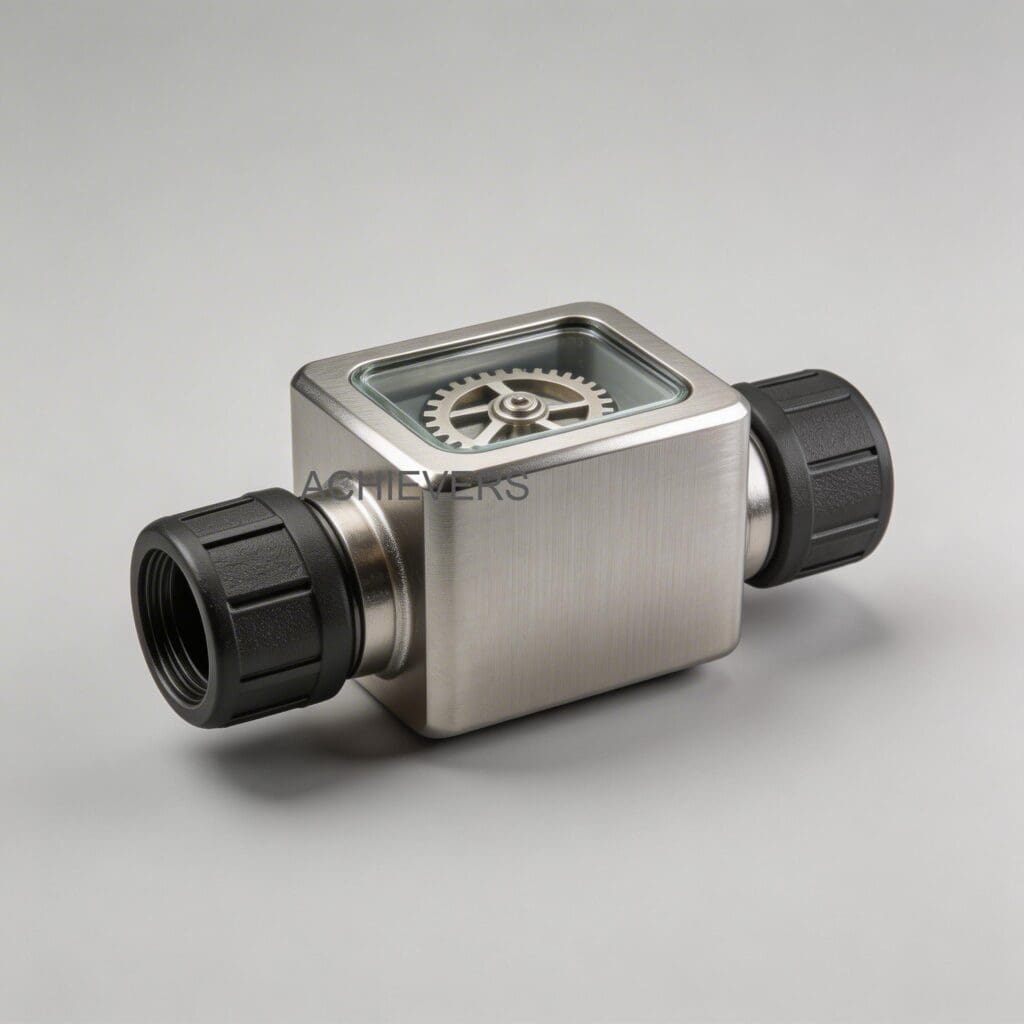
Indian industrial sites bleed money through unmonitored fuel lines. Whether you are managing diesel generators for a pharmaceutical plant in Baddi, heavy earthmovers in a Jharkhand coal mine, or a logistical hub in Pune, fuel shrinkage is a direct hit to your operating margins. When upgrading your fluid handling infrastructure, selecting the right डीजल फ्लो मीटर is the line of defense between accurate consumption tracking and undocumented pilferage.
Buyers often get stuck deciding between basic mechanical registers, localized digital displays, and smart pulse-output meters that tie into centralized PLCs. Making the wrong choice leads to frequent breakdowns in dusty environments, corrupted data during voltage surges, or meters that simply cannot handle the high-viscosity sludge often found in poorly maintained Indian storage tanks. This guide breaks down exactly how to match the meter technology to your site conditions, power quality, and operational control requirements.
QUICK REFERENCE: Site Assessment Checklist
- द्रव श्यानता: Confirm your fluid falls within the 8–5000 mPas range.
- Line Pressure: Ensure system operating pressure does not exceed 50 psi (3.5 bar).
- Pipe Size: Verify your existing flanges or threads match available 1/2" to 4" meter diameters.
- बिजली की उपलब्धता: Determine if you have stable 24V DC/230V AC or need battery/mechanical operation.
- कंपन: Assess pipeline vibration (e.g., near heavy gensets) to select high vibration-resistant models.
1. Overview of Diesel Flow Meter Family
Industrial flow measurement relies on positive displacement technology to maintain accuracy across varying flow rates. Depending on your data logging requirements, a डीजल फ्लो मीटर is typically configured in one of three ways:
यांत्रिक प्रवाह मीटर: The workhorse of the Indian fuel industry. These rely on a nutating disk or oval gear mechanism directly driving a mechanical register. They require zero external power, making them immune to the voltage fluctuations and grid failures common in remote Indian industrial corridors.
Digital (Electronic Counter) Flow Meters: These upgrade the mechanical drive with a magnetic pickup or sensor, translating fluid movement into a digital readout. Equipped with a 9×4 digit electronic counter, they offer clear flow rate indication and totalized flow with a resettable counter. They are highly accurate, achieving a precision of +/- 0.5%, and are completely independent of fluid viscosity changes caused by extreme ambient temperature shifts.
Smart / Pulse Output Flow Meters: Engineered for automation, these units send a predefined electrical pulse per unit of volume (e.g., 1 pulse per 100 ml) to a centralized Fuel Management System (FMS), SCADA, or PLC. Often configured as a "Print Flow Meter With Ticket Printer" for instant driver billing, or a "Flange Type Diesel Flow Meter" for heavy refinery lines, these are non-negotiable for modern transport fleets and high-volume fluid transfer operations.
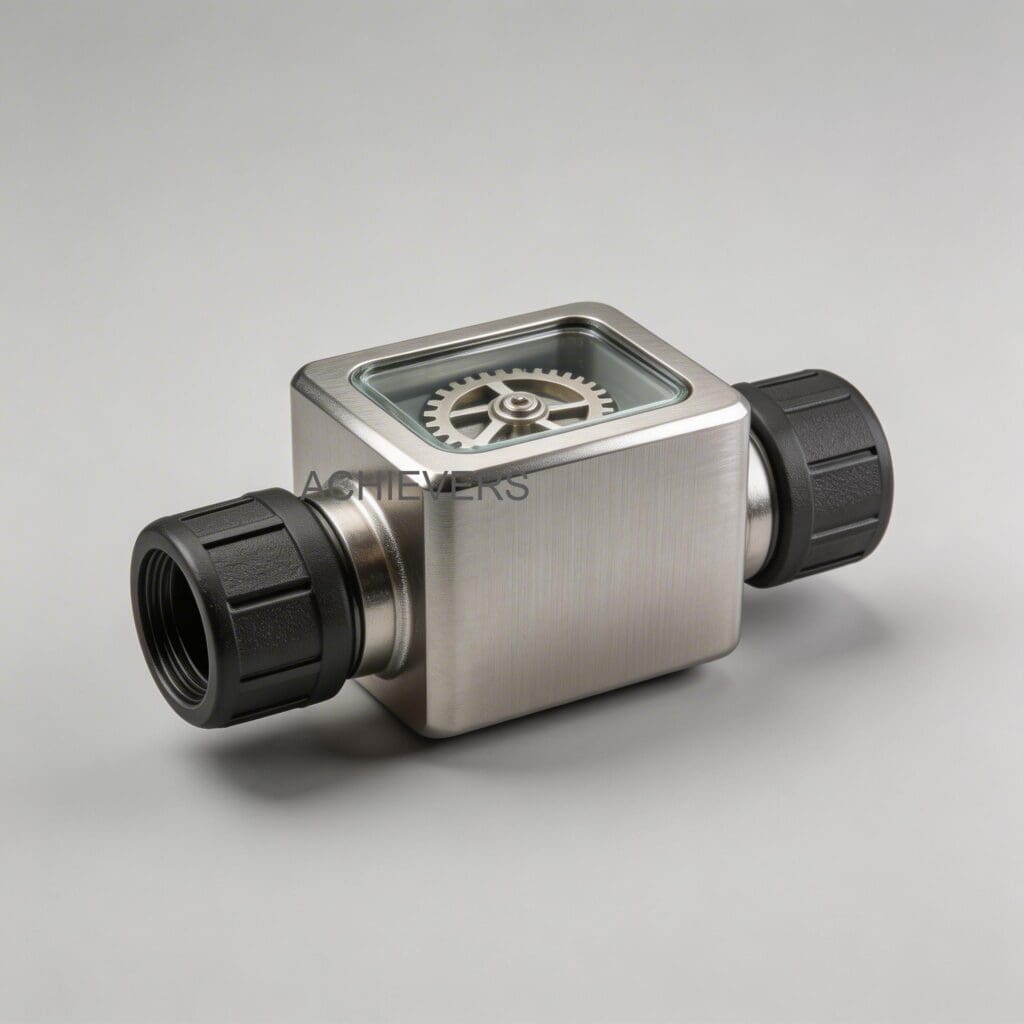
2. विशिष्टताओं की आमने-सामने तुलना
To make a precise procurement decision, you must evaluate how each variant handles standard specifications. The data below outlines the capabilities of the डीजल फ्लो मीटर range designed for industrial applications.
| विनिर्देश / विशेषता | Mechanical Register | Digital Electronic Counter | Smart Pulse / Printer Config |
| :— | :— | :— | :— |
| आयतनिक सटीकता | +/- 1.0% | +/- 0.5% | +/- 0.5% |
| Available Diameters | 1/2 inch to 4 inch | 1/2 inch to 4 inch | 1/2 inch to 4 inch |
| Max Operating Pressure | 50 psi / 3.5 bar | 50 psi / 3.5 bar | 50 psi / 3.5 bar |
| Viscosity Range | 8 to 5000 mPas | 8 to 5000 mPas | 8 to 5000 mPas |
| Display Configuration | Analog Rotating Dials | 9×4 digit Electronic Counter | Local LCD + PLC Signal/Printed Ticket |
| Power Requirement | None (Flow driven) | Internal Battery / Low Voltage | 24V DC / 230V AC |
| Reset Functionality | Manual Knob | Electronic Push-Button | Electronic / Remote via FMS |
| Vibration Resistance | उच्च | उच्च | High (Requires stabilized wiring) |
RED FLAG WARNING: The Contamination Factor
Indian diesel frequently contains suspended particulates and water due to poor transport handling and underground storage tank seepage. While these meters are independent of viscosity (handling up to 5000 mPas), solid debris will jam oval gears. Always install a Y-strainer or heavy-duty particulate filter upstream of any positive displacement meter to prevent rotor lock-up and maintain the +/- 0.5% precision.
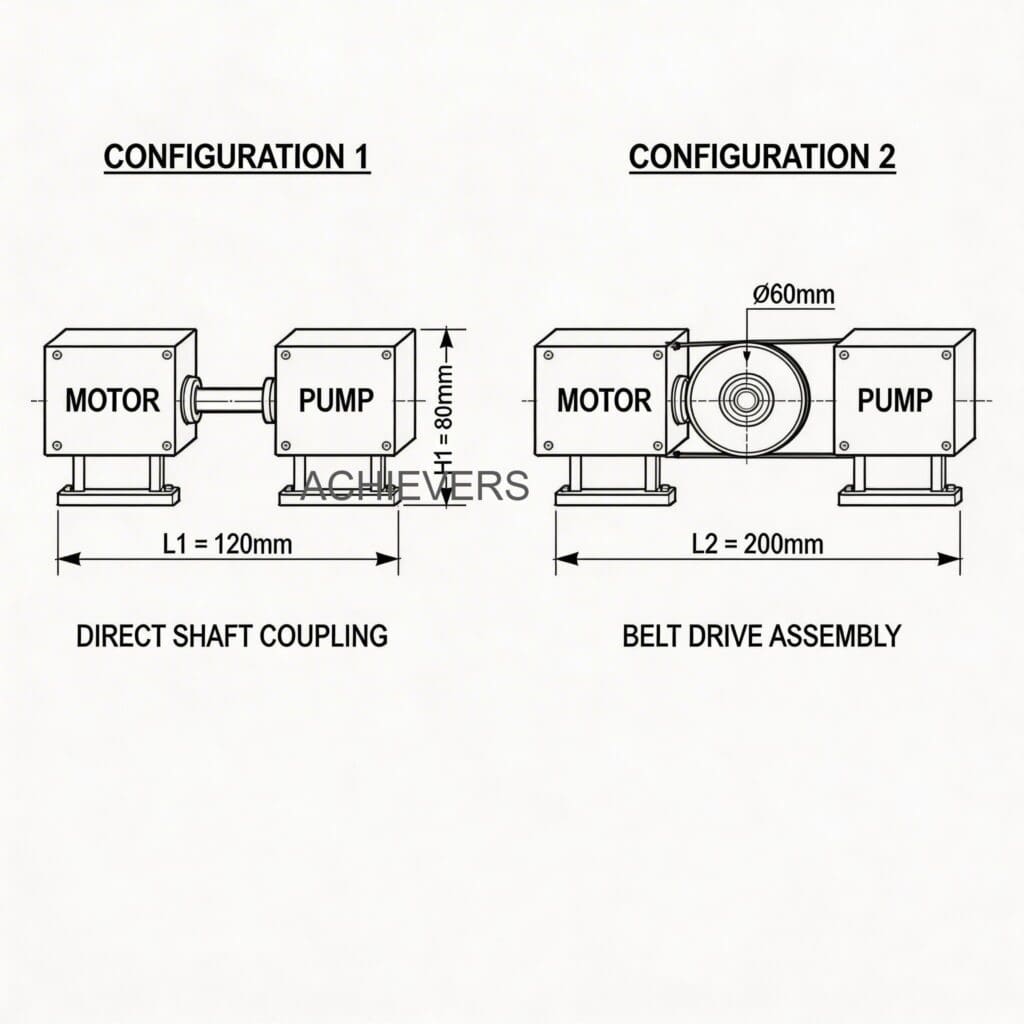
3. अनुप्रयोग तुलना तालिका
Different operational environments dictate different metering technologies. Use this matrix to align your site constraints with the correct technology.
| अनुप्रयोग परिदृश्य | अनुशंसित विकल्प | Technical Justification |
| :— | :— | :— |
| Remote Mining Sites (No Grid Power) | Mechanical Flow Meter | Zero electrical dependencies; rugged enough for heavy dust; high vibration resistance. |
| High Accuracy Batching (Pharma/Chemical) | Digital Electronic Counter | Requires +/- 0.5% precision; the 9×4 digit display allows precise batch cutoff control. |
| Commercial Fleet Dispensing | Smart / Print Flow Meter | Requires a ticket printer for driver accountability and Legal Metrology compliance for resale. |
| Automated Generator Top-ups | Pulse Output Flow Meter | Integrates directly with the BMS/PLC to trigger start/stop commands based on totalized flow. |
| High Viscosity Fluid Transfer | Flange Type Digital Meter | Capable of handling up to 5000 mPas; flanged connections prevent leaks under pipe stress. |
| Mobile Diesel Bowsers | Mechanical or Battery Digital | Independent of main grid power; immune to vehicle alternator voltage spikes. |
| Biodiesel Processing Plants | Biodiesel Flow Meter | Specialized seals (Viton/Teflon) resist the corrosive nature of specific biodiesel blends. |
| Hazardous Area (PESO Zone 1/2) | Mechanical (or ATEX Digital) | Pure mechanical units are inherently intrinsically safe; no risk of electrical arcing. |
If you are building a complete refueling station rather than just upgrading a pipeline, ensure your meter integrates seamlessly with your main pumping unit. Consider looking at a complete ईंधन डिस्पेंसर system if you require an all-in-one pumping, metering, and filtration package.
4. कुल लागत तुलना
Procurement is not just about the initial capital expenditure (CAPEX). You must factor in operational expenditure (OPEX), recalibration costs, and the cost of potential downtime. Note: Prices are approximate for the Indian market and vary based on exact size (1/2" vs 4") and flange specifications.
| Meter Option | खरीद मूल्य सीमा (INR) | वार्षिक रखरखाव लागत | Expected Lifespan | के लिए सर्वश्रेष्ठ |
| :— | :— | :— | :— | :— |
| यांत्रिक | ₹15,000 – ₹45,000 | Low (Filter cleaning) | 7–10 Years | Rugged, low-tech environments |
| Digital Counter | ₹25,000 – ₹65,000 | Medium (Battery/Calibration) | 5–8 Years | High accuracy manual tracking |
| Pulse/Printer | ₹45,000 – ₹1,20,000 | High (Electronics/Paper) | 5–7 Years | Automated fuel management |
For thick lubricants or hydraulic fluids that require different flow dynamics, do not use a standard diesel unit. Instead, specify an industrial तेल प्रवाह मीटर designed for those specific shear rates.
5. निर्णय मार्गदर्शिका: आपके पौधे के लिए कौन सा उपयुक्त है?
When you submit your purchase requisition, ensure your choice aligns with your infrastructure. Here are 8 common scenarios and the correct engineering decision:
- You need to track fuel issued to 50+ company trucks daily: Choose a Smart Pulse meter integrated with an RFID-based FMS. Manual logging via mechanical meters will result in human error and fuel theft.
- Your pipeline experiences heavy vibrations from a 1000 kVA genset: Choose a heavy-duty Flange Type Diesel Flow Meter. The rigid flange mounting combined with the meter's inherent high vibration resistance prevents pipe fatigue.
- Your fluid viscosity changes dramatically between summer and winter: Choose a Positive Displacement Digital Meter. Because the measurement is independent of viscosity (up to 5000 mPas), accuracy remains stable whether the fuel is warm and thin or cold and thick.
- You operate in a high-dust cement manufacturing plant: Choose a Mechanical meter. The lack of sensitive LCD screens and electronic push-buttons reduces the risk of dust ingress causing display failure.
- You require precise flow rate indication for process blending: Choose the Digital meter with the 9×4 digit electronic counter. The real-time flow rate indication allows operators to adjust valves accurately.
- Your pipeline pressure frequently spikes: Ensure your system is regulated. None of these meters should be subjected to operating pressures above 50 psi (3.5 bar). If spikes occur, install a pressure relief valve upstream.
- You are transferring B20 or B100 fuel: Specify a Biodiesel Flow Meter variant. Standard nitrile seals will degrade quickly; you need specific elastomers rated for biofuels.
- You are supplying fuel to contractors and need proof of delivery: Choose a Print Flow Meter With Ticket Printer. This provides immediate, indisputable hard-copy proof of the transaction volume.
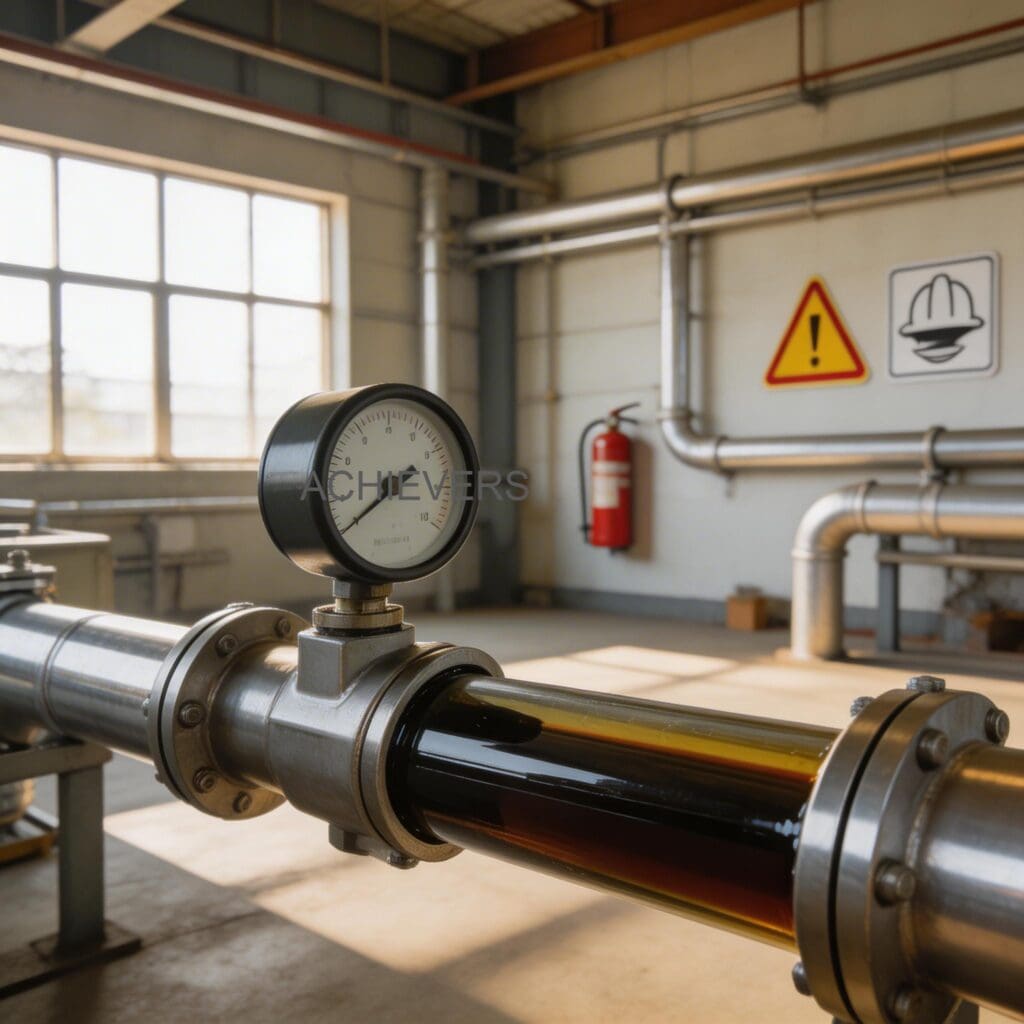
6-Step Standard Operating Procedure for Installing a Pulse Output Flow Meter
If you choose a smart or digital variant for PLC integration, installation must strictly follow engineering best practices to avoid ground loops and erratic readings.
- Isolate and Depressurize: Shut down the main transfer pump and bleed the pipeline pressure to zero. Verify pressure gauges read 0 psi before unbolting flanges.
- Install Upstream Filtration: Bolt a Y-strainer (minimum 100 micron) straight into the pipeline at least 5 pipe diameters upstream of the flow meter to capture debris.
- Align Flanges: Position the Flange Type Diesel Flow Meter ensuring the flow direction arrow cast into the body points toward the receiving tank. Do not force alignment; use pipe supports to eliminate stress on the meter housing.
- Wire the Pulse Output: Run shielded instrumentation cable from the meter's pulse transmitter to the PLC. Keep this cable at least 600mm away from high-voltage AC motor cables to prevent electromagnetic interference (EMI).
- Ground the System: Connect the meter body to the plant's central earth grid. Inadequate grounding in Indian industrial sites is the number one cause of digital counter failure during monsoon lightning storms.
- System Priming: Open valves slowly and run the pump at 25% capacity to bleed air from the line. Trapped air passing through the measuring chamber will cause the meter to over-register (the "air spinning" effect).
अक्सर पूछे जाने वाले प्रश्न
Q: Can this meter be used for Legal Metrology approved retail sales in India?
A: Basic models are for internal industrial transfer. If you intend to sell fuel commercially, you must specify a Legal Metrology approved model calibrated and sealed by the local Weights & Measures department.
Q: How does Indian summer heat affect the +/- 0.5% accuracy?
A: Positive displacement meters measure volume, not mass. While the meter itself remains mechanically accurate, diesel expands in extreme heat (above 40°C). For highly critical chemical batching, volume correction calculations may be required at the PLC level.
Q: Will hard water or contaminated diesel ruin the digital electronic counter?
A: The electronic counter is physically isolated from the fluid chamber. However, contaminated diesel will damage the internal measuring gears. Upstream filtration is mandatory.
Q: How often should we recalibrate the meter?
A: For heavy industrial use in India, recalibration via a master meter or volumetric proving can is recommended every 6 to 12 months, or immediately if the 9×4 digit display shows erratic flow rate indications.
Q: Our site has severe voltage fluctuations. Will this wipe the resettable counter?
A: High-quality digital and pulse output meters utilize non-volatile memory (EEPROM). In the event of a power failure or voltage dip, the totalized flow data is retained safely.
Q: What is the maximum pressure drop across the meter?
A: Pressure drop varies by flow rate and fluid viscosity, but the meter is designed to operate safely up to a maximum line pressure of 50 psi (3.5 bar). Exceeding this will blow the internal seals.
Q: Can I install this meter vertically?
A: Yes, positive displacement meters can generally be installed in any orientation (horizontal or vertical) provided the pipeline remains completely full of liquid at all times to prevent air measurement.
Upgrading your fluid handling system requires precision equipment built for harsh realities. Before finalizing your procurement, evaluate your line pressure, fluid viscosity, and automation needs. Contact our technical sales team with your required pipe diameter, flow rate range, and PLC integration requirements so we can specify the exact Diesel Flow Meter configuration for your plant.