
If your fuel reconciliation shows a 2% variance at the end of the month, you aren't just losing diesel—you're losing lakhs of rupees. In Indian industrial setups, where diesel is a critical and expensive operational asset, blind spots in transfer lines lead to untraceable losses, vendor disputes, and equipment downtime. Choosing the right ईंधन प्रवाह मीटर is the only technical defense you have against these inefficiencies.
However, buying a flow meter based solely on pipe diameter is a rookie mistake. A meter installed in a dusty Rajasthan mining site faces entirely different challenges than one in a humid Mumbai pharmaceutical plant. This buyer’s guide helps Indian plant managers and procurement teams select the exact ईंधन प्रवाह मीटर for diesel lines based on flow range, pressure drop, required outputs, and actual field conditions.
1. What Is Fuel Flow Meter and What Does It Do
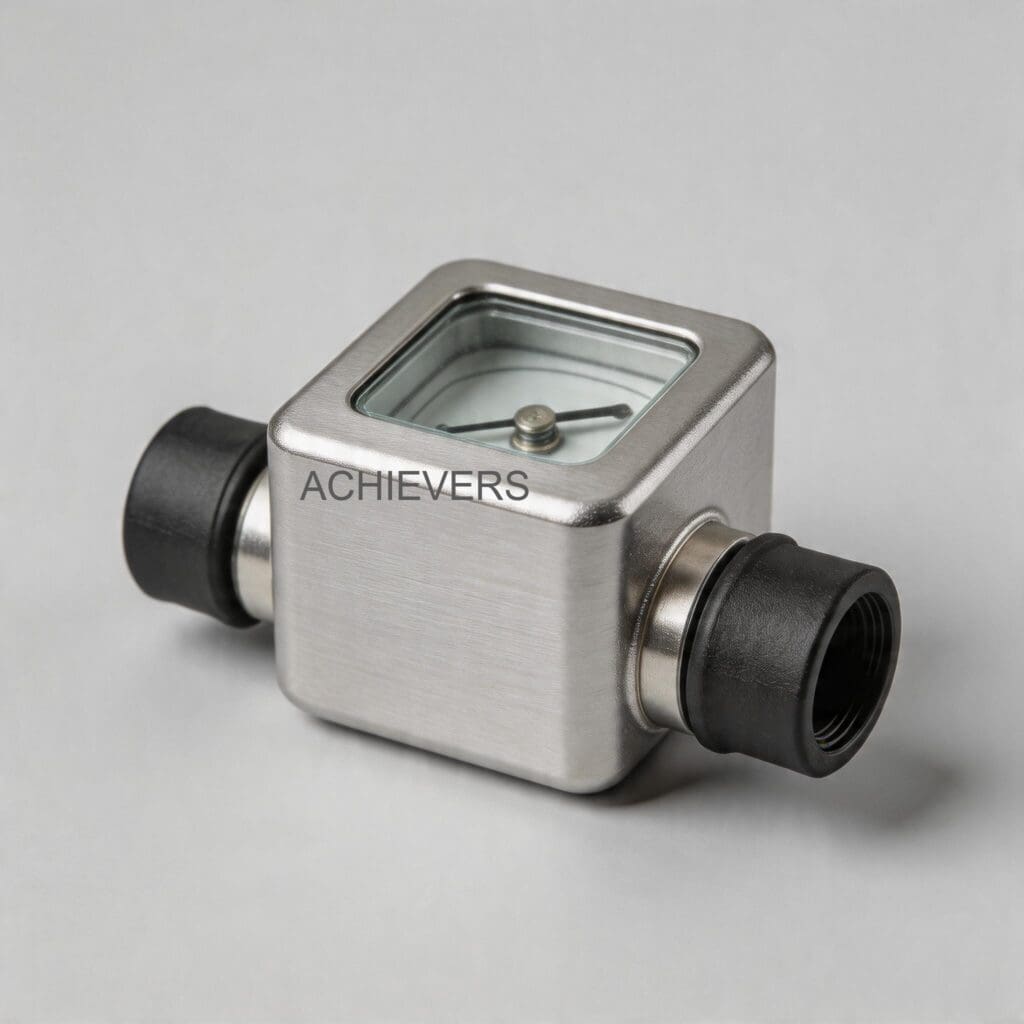
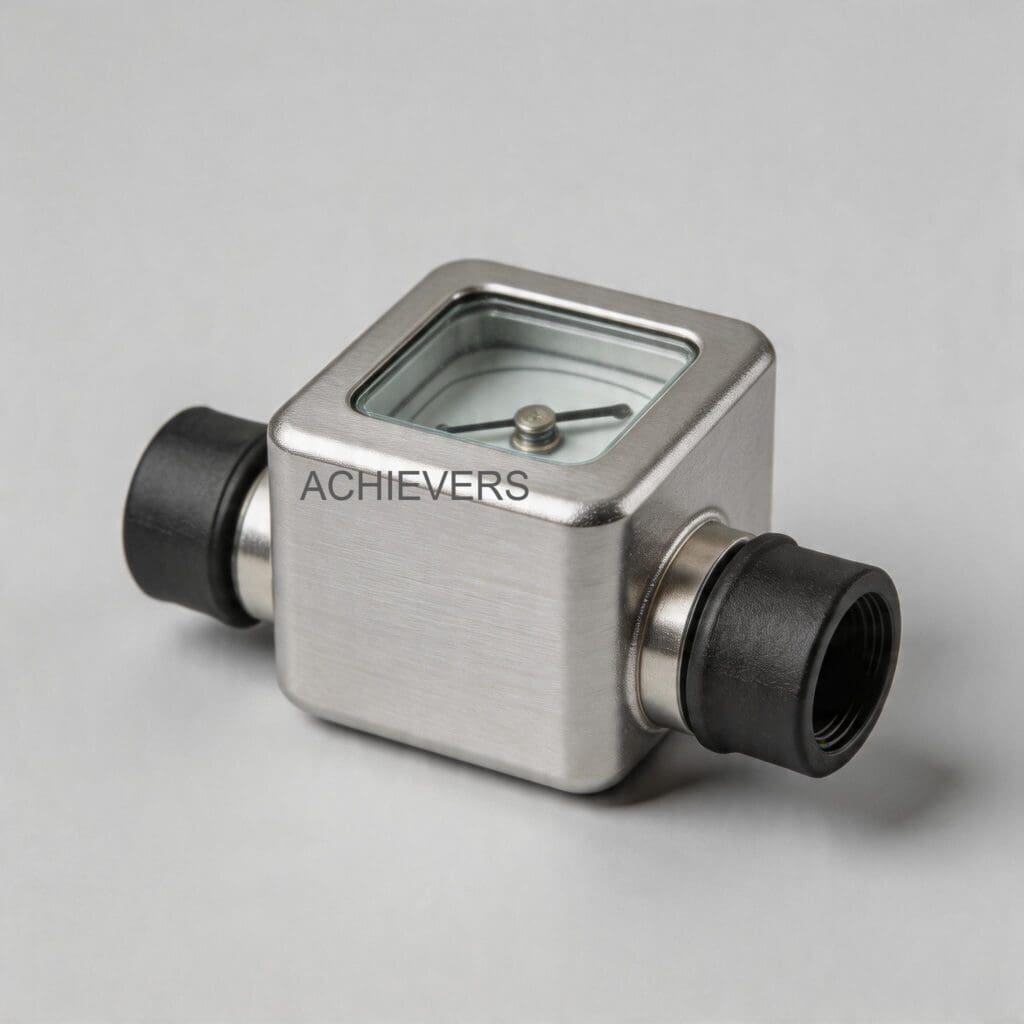
A ईंधन प्रवाह मीटर is a highly precise measurement device installed in fluid transfer lines to record the exact volume of fuel passing through. The models supplied by Chintan Engineers (like the LI-111 series) utilize positive displacement technology. This means they isolate specific volumes of fluid in internal rotating chambers, resulting in highly accurate readings that remain largely unaffected by variations in fluid viscosity.
These meters are built for rugged environments. They feature vacuum-sealed, leak-proof housings, self-lubricating gears, and a dry digital totalizer to ensure long, maintenance-free operational life.
| विनिर्देश | कीमत | नोट्स |
| :— | :— | :— |
| Technology Type | Positive Displacement (LI-111) | Independent of liquid thickness; ideal for oil-type fluids |
| शुद्धता | ±0.5% | Ensures highly reliable inventory tracking |
| repeatability | 0.03% | Crucial for consistent batching operations |
| Max Viscosity | 1000 CPS | Easily handles diesel in winter or varying fuel grades |
| Power Source | Internal Battery | Long battery life; ideal for sites with power fluctuations |
2. भारतीय औद्योगिक खरीदारों के लिए प्रमुख चयन मानदंड
When installing diesel handling equipment worth ₹20,000 to ₹10,00,000, your selection criteria must reflect the ground reality of Indian industrial sites.
1. Sizing by Flow Range, Not Pipe Diameter
Never buy a meter just because you have a 1-inch pipe. If your pump delivers 150 liters per minute (L/min) through a 1-inch pipe, you need a meter rated for that flow. Running a meter consistently at its maximum or minimum flow limits degrades its accuracy and lifespan.
2. Accuracy and Repeatability Standards
For internal inventory management, an accuracy of ±0.5% is standard. However, repeatability is equally important. A repeatability of 0.03% guarantees that if you dispense 100 liters today and 100 liters tomorrow, the meter behaves identically. This is critical when defending against vendor short-deliveries.
3. Coping with Contamination and Fluid Quality
Indian diesel supplies frequently suffer from particulate contamination, dust ingress, and water content. While positive displacement meters are highly accurate, their tight internal clearances mean they are sensitive to solid debris. You must account for upstream filtration requirements in your selection.
4. Operating Pressure and System Head Loss
Every meter creates a restriction. If you operate long transfer lines or pump fuel to overhead day tanks, you must calculate the pressure drop across the meter. Our 1-inch meters can handle up to 3.4 MPa of operating pressure, providing enough margin for standard booster pumps without starving the line.
5. Viscosity Variations
Temperature swings across the Indian subcontinent alter diesel viscosity. Positive displacement meters excel here because they are immune to viscosity changes up to 1000 CPS, maintaining tight accuracy whether it's 5°C in Punjab or 45°C in Gujarat.
6. Output and Automation Integration
If you are upgrading your site to an automated fuel management system, a simple mechanical totalizer isn't enough. You must specify whether you need a digital display, a cumulative totalizer, or if you plan to buy fuel flow meter with pulse output to integrate with PLCs, SCADA systems, or GPS tracking units.
🚨 RED FLAG WARNING: THE STRAINER RULE
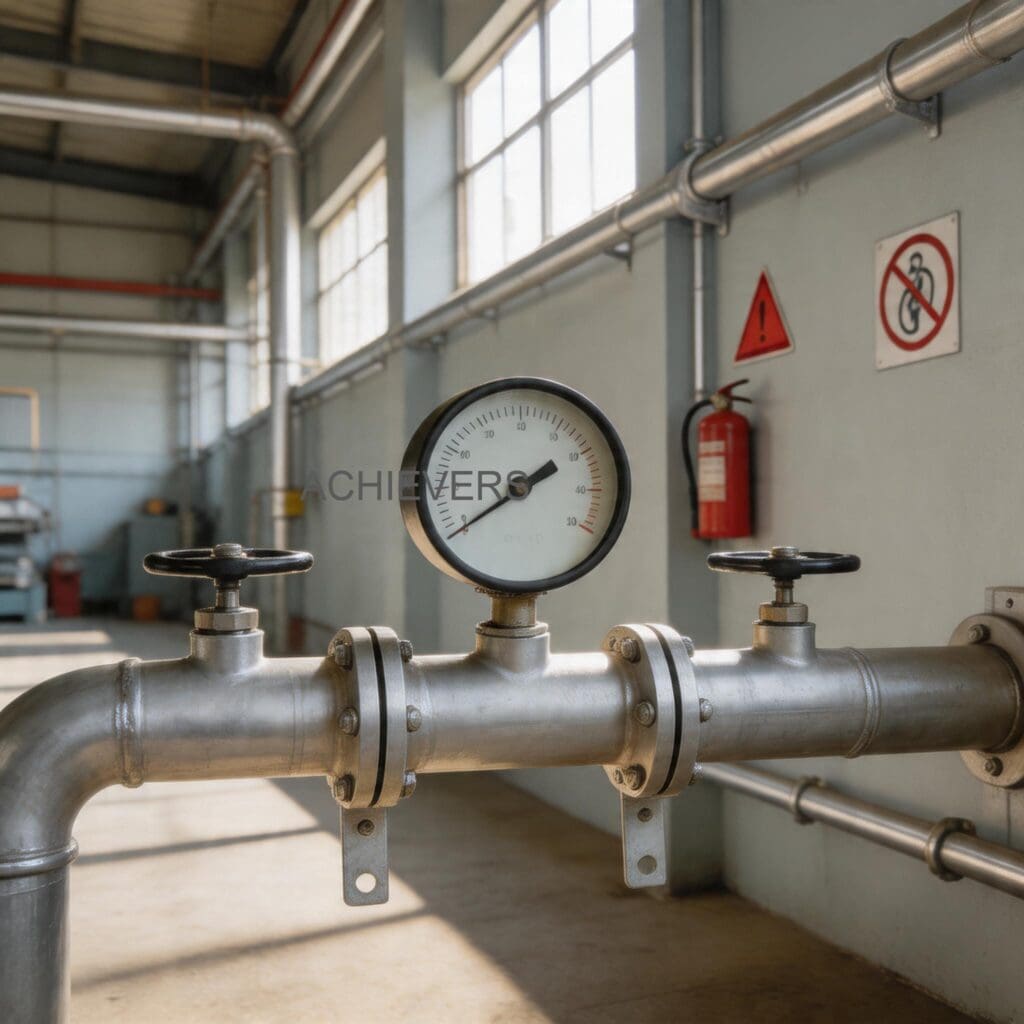
The fastest way to destroy a positive displacement meter in India is running it without a Y-strainer. Indian diesel transport trucks often contain rust, sand, and sediment. If a solid particle larger than 50 microns enters a positive displacement chamber, it will score the self-lubricating gears or jam the rotors instantly, voiding your warranty. Always install a 100-mesh strainer upstream of the meter.
3. मॉडल और वेरिएंट की तुलना
Using the correct sizing ensures you avoid excessive pressure drops or cavitation. Below is the technical breakdown of the LI-E series models to help with your fuel flow meter sizing guide 1 inch 1.5 inch 2 inch decisions.
| नमूना | Size | Min Flow Rate | Max Flow Rate | Max Operating Pressure | के लिए सर्वश्रेष्ठ |
| :— | :— | :— | :— | :— | :— |
| एलआई-ई-25 | 1" | 20 L/min | 200 L/min | 3.4 MPa | Day-tank transfer, light commercial genset feeding, mobile bowsers |
| एलआई-ई-40 | 1.5" | 25 L/min | 250 L/min | 1.8 MPa | Medium bulk transfers, construction site dispensing |
| एलआई-ई-50 | 2" | 30 L/min | 300 L/min | 1.8 MPa | Heavy industrial offloading, high-volume fleet refueling lines |
4. भारतीय खरीदारों द्वारा खरीदारी करते समय की जाने वाली आम गलतियाँ
Selecting industrial measurement equipment requires engineering discipline. Avoid these standard procurement traps:
- Ignoring the Minimum Flow Rate: Every meter has a bottom limit. If you use a 2-inch LI-E-50 meter (min 30 L/min) for a slow gravity-feed line pushing only 15 L/min, fluid will bypass the gears without turning them. Your meter will under-report the volume, leading to massive inventory discrepancies.
- Confusing Line Pressure with Flow Pressure Drop: Buyers often check the Max Operating Pressure but fail to ask about the pressure drop (head loss) across the meter. If your pump is already struggling to overcome vertical lift, adding a restrictive meter can stall your system.
- Skipping the Air Eliminator: When a tank runs dry or a tanker is emptied, air enters the line. A positive displacement meter will measure air just like it measures diesel. Without an upstream air eliminator, you are paying for air, especially during bulk unloads.
- Failing to Standardize Units: Ensure the digital display is calibrated to liters rather than gallons, avoiding conversion errors on the plant floor.
- Overlooking Automation Future-Proofing: Buying a standalone manual meter when your company plans to implement IoT tracking next year is wasted capital. If your site is moving toward smart tracking, you must integrate your meter with a डीजल डिस्पेंसर system or specify a pulse output from day one.
5. पूछताछ विनिर्देश चेकलिस्ट
When you contact a Fuel Flow Meter supplier in India, do not just ask for a "price for a 2-inch meter." Provide this exact checklist to ensure you get the right equipment quoted:
- द्रव का प्रकार: Specifically state Diesel (HSD) to confirm material compatibility with the meter's internal seals (Viton/Nitrile).
- न्यूनतम/अधिकतम प्रवाह दर: Provide the actual flow range of your pump (e.g., 50 to 250 L/min).
- Pipe Diameter: Standardize your line size to match flanges (1", 1.5", or 2").
- Operating Pressure: State the maximum pressure output of your transfer pump.
- तापमान की रेंज: Define the ambient and fluid temperatures based on your geographical location.
- Filtration Setup: Confirm what micron level of filtration you currently have upstream.
- Display Requirements: Specify if you need an advanced digital display with instantaneous flow rate and cumulative totalizer.
- Automation Integration: State clearly if you require a pulse output to connect to an external batch controller or PLC.
✅ QUICK REFERENCE: SIZING CHECKLIST
- Is your flow rate between 20 L/min and 300 L/min?
- Is your line pressure below 3.4 MPa (for 1") or 1.8 MPa (for 1.5"/2")?
- Have you installed a 100-mesh strainer immediately before the meter inlet?
- Is there an air eliminator fitted for bulk offloading lines?
- Are you mounting the meter horizontally or vertically (check manufacturer orientation limits)?
अक्सर पूछे जाने वाले प्रश्न
Q: Does this flow meter require external power to operate the display?
A: No. The LI-111 series features a long battery life for its advanced digital display, making it highly reliable for remote Indian sites facing frequent grid power cuts.
Q: Can I use this meter for both diesel and heavy furnace oil?
A: While positive displacement meters handle high viscosities (up to 1000 CPS), switching the same meter between clean diesel and dirty furnace oil is not recommended due to cross-contamination and varying filtration requirements. Dedicate one meter per fluid type.
Q: Is Legal Metrology approval required for this meter?
A: If you are using the meter for commercial custody transfer (selling fuel to third parties), Legal Metrology certification is mandatory in India. If it is purely for internal inventory and process control, standard factory calibration is sufficient.
Q: What happens if air enters the transfer line?
A: The meter measures volume, so it will register air as fluid, causing over-reading. If your process frequently introduces air (like stripping tanks), you must install an air eliminator before the meter.
Q: How often does the meter require calibration?
A: For best results in industrial environments, calibration should be verified every 12 months using a certified prover tank. Harsh usage or dirty fuel may require a 6-month verification cycle.
Q: Can I install a 2-inch meter on a 1-inch pipe using reducers?
A: Yes, physically you can use expanders/reducers, but it is poor engineering practice. It creates turbulence and pressure drop. More importantly, a 1-inch line's flow rate will likely fall below the 30 L/min minimum threshold of the 2-inch meter, destroying accuracy.
Q: What do I do if the digital display stops registering flow, but fuel is passing through?
A: First check the internal battery. If the display is on but not counting, the internal gears may be jammed by debris. Isolate the line, bypass the flow, and inspect the internal chamber for solid contaminants.
Stop guessing your fuel consumption and start controlling it. Assess your exact flow rates, line pressures, and output requirements, then secure your transfer lines with precision instrumentation. Contact the technical team at Chintan Engineers with your pump capacity, pipe size, and site conditions, and we will engineer the exact flow measurement solution to lock down your diesel inventory.