
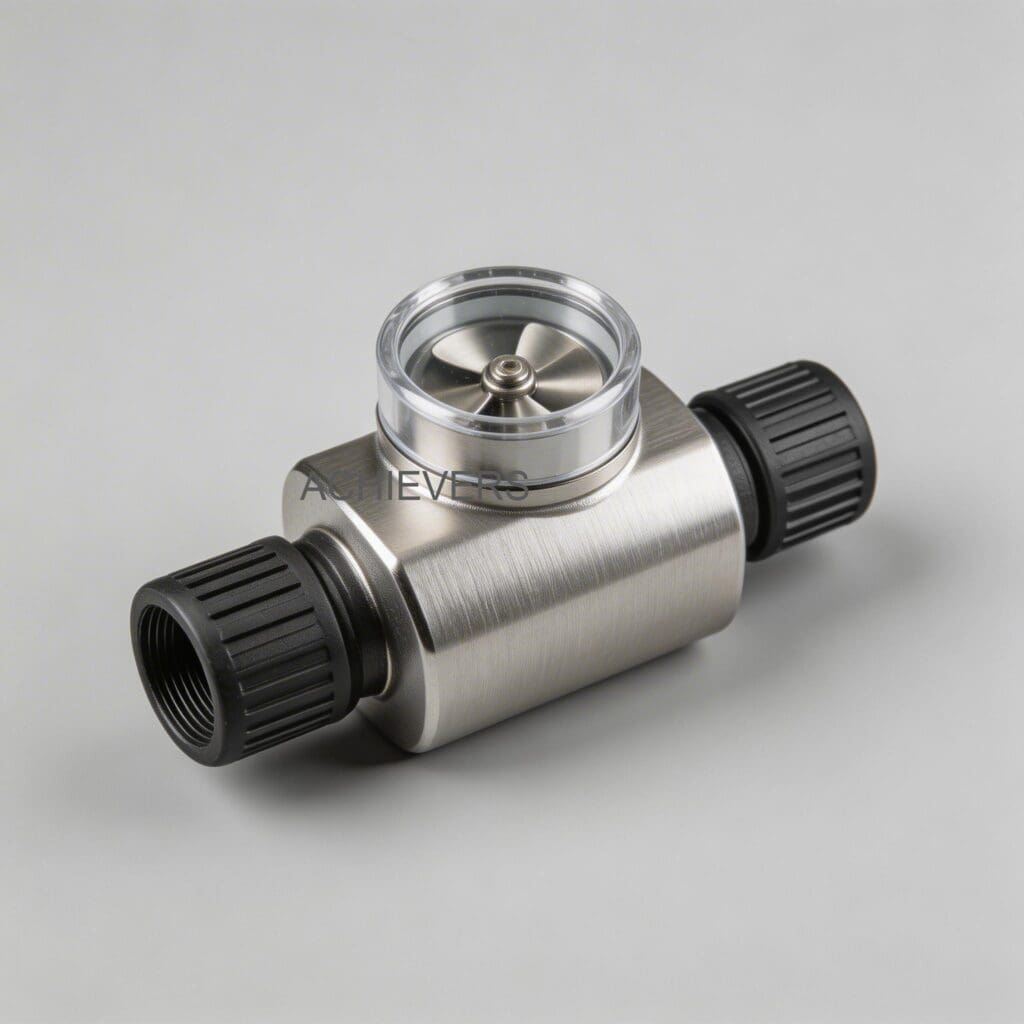
QUICK REFERENCE: DIESEL SIZING CHECKLIST
- Line Size: Match meter to pipe diameter (1", 1.5", or 2") to avoid unnecessary reducers and pressure drops.
- Flow Rate: Confirm your pump's output falls safely within the meter's min/max range.
- System Pressure: Ensure your line pressure does not exceed the meter's maximum operating rating (critical for high-pressure transfer lines).
- Low-End Accuracy: Sizing up too much will destroy accuracy at low flow rates. Stay within the recommended operational curves.
- Fluid Viscosity: Verify your fluid stays below the 1000 CPS threshold under your site's coldest operating temperatures.
Sizing a Fuel Flow Meter isn't just about matching the threaded connection to your existing pipe network. It is an engineering balance between flow velocity, acceptable pressure drop, and maintaining stringent metering accuracy. Over-sizing your meter leads to slippage and lost accuracy at low flows. Under-sizing creates a restriction point, leading to severe pressure drops, slow fueling times, and potential pump cavitation.
For fleet managers and site operators managing bulk diesel transfers, backup power generation, or mobile dispensing, the LI-E series provides a rugged positive displacement solution. This guide breaks down the exact technical differences between the LI-E-25 (1-inch), LI-E-40 (1.5-inch), and LI-E-50 (2-inch) configurations so you can spec your system with confidence.
1. Overview of the LI-E Series Technology
The LI-E series Fuel Flow Meter utilizes positive displacement (PD) measurement technology. Specifically designed for measuring non-corrosive, oil-based fluids like diesel, PD meters operate by isolating fixed volumes of fluid in rotating mechanical chambers.
Because the fluid physically drives the self-lubricating internal gears, these meters are largely unaffected by variations in liquid density or downstream flow profile disturbances. Every Fuel Flow Meter in this family features a vacuum-sealed, leak-proof digital totalizer, offering exceptional low-head loss and an extended battery life suited for remote and hazardous operating conditions globally.
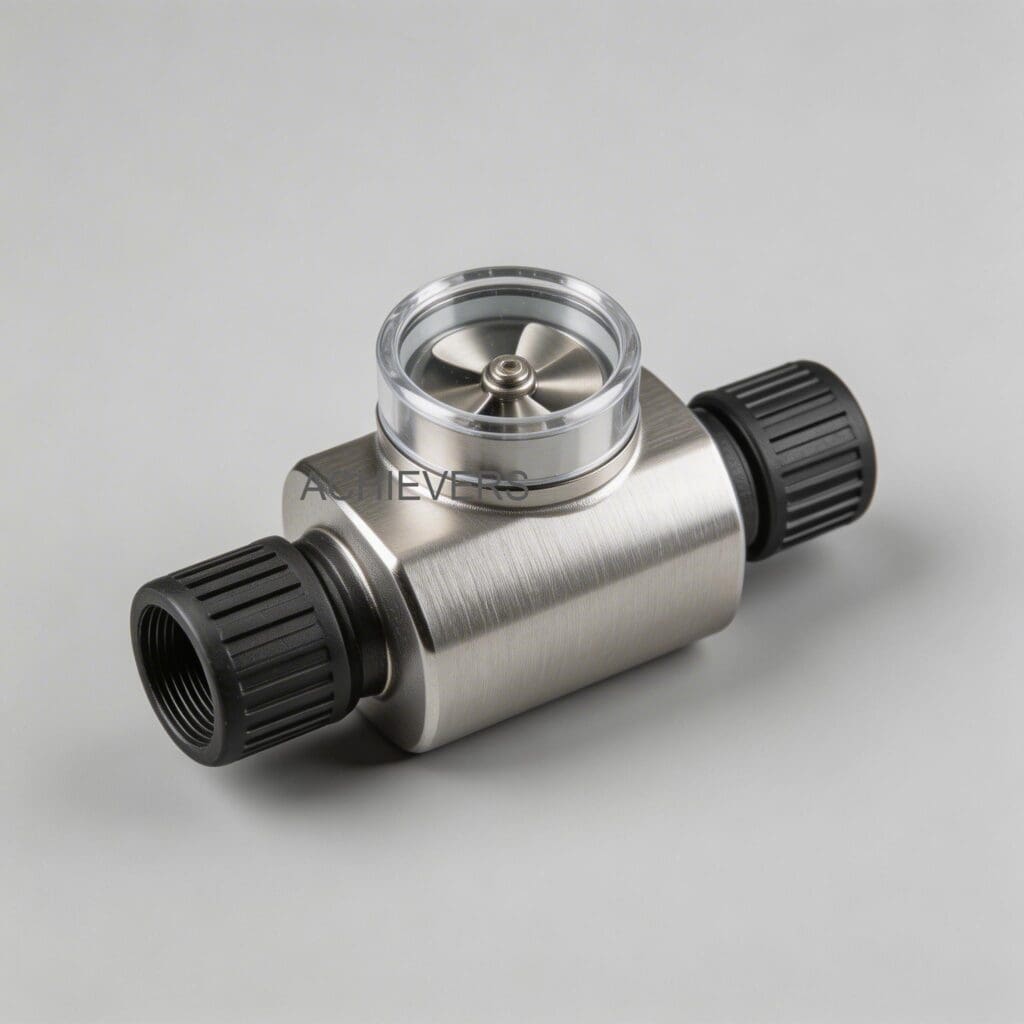
PRO TIP: PRESSURE DIFFERENTIALS
Pay close attention to your system's maximum operating pressure. While the 1.5-inch and 2-inch meters top out at 1.8 MPa, the 1-inch LI-E-25 is engineered to handle significantly higher pressure spikes up to 3.4 MPa. If your specific application involves long-run piping or high-pressure transfer pumps, the smaller port size offers superior pressure containment.
2. Head-to-Head Specification Comparison
To successfully integrate a Fuel Flow Meter into an API-compliant or ISO-standardized plant, you must cross-reference your pump curves with the meter's structural limits. Below is the direct performance data for the LI-E series.
| Technical Specification | LI-E-25 (1-inch) | LI-E-40 (1.5-inch) | LI-E-50 (2-inch) |
| :— | :— | :— | :— |
| Port Size | 1" | 1.5" | 2" |
| Minimum Flow Rate | 20 L/min | 25 L/min | 30 L/min |
| Maximum Flow Rate | 200 L/min | 250 L/min | 300 L/min |
| Volumetric Accuracy | ±0.5% | ±0.5% | ±0.5% |
| Repeatability | 0.03% | 0.03% | 0.03% |
| Maximum Viscosity | 1000 CPS | 1000 CPS | 1000 CPS |
| Max Operating Pressure | 3.4 MPa | 1.8 MPa | 1.8 MPa |
| Mechanism Type | Positive Displacement | Positive Displacement | Positive Displacement |
3. Application Comparison Table
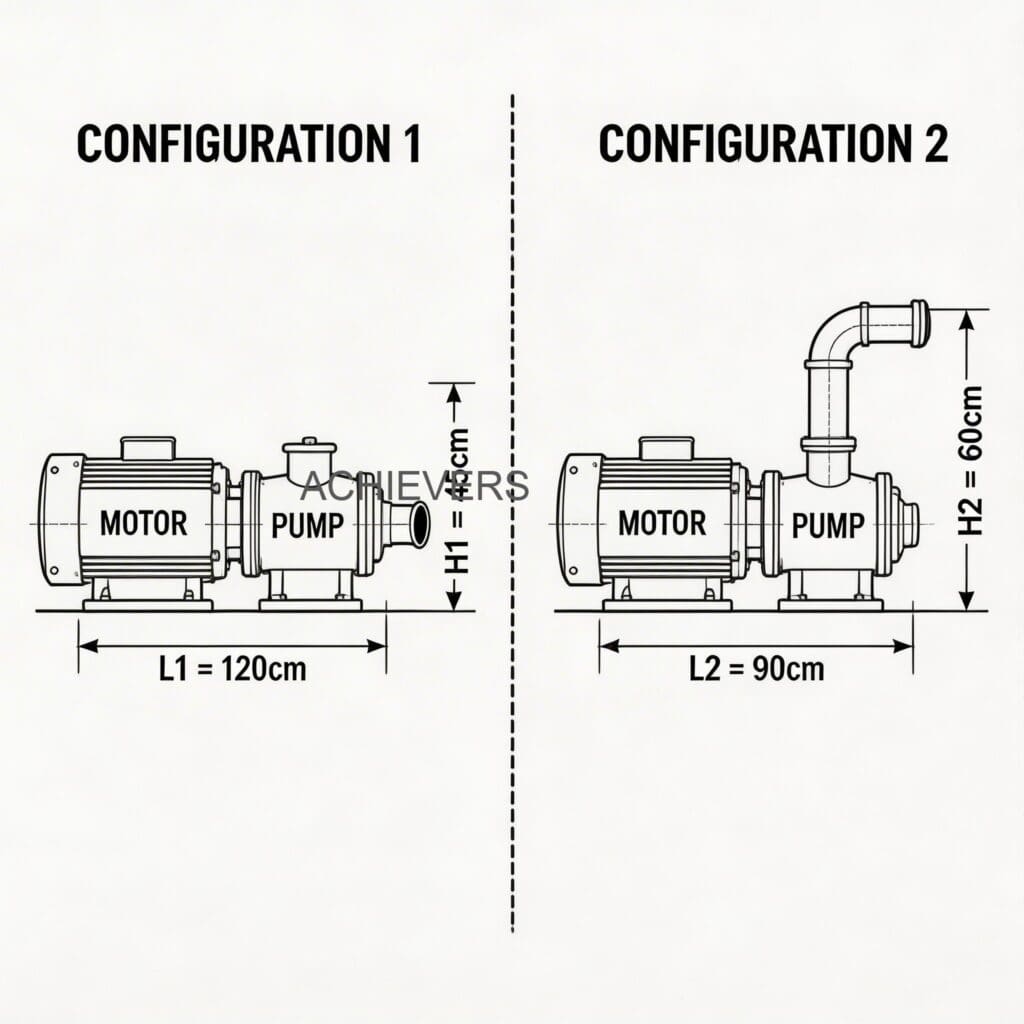
Different operational sites require drastically different flow characteristics. A high-speed loading gantry needs volume, whereas a backup generator day-tank requires precision at trickle flow.
| Application Scenario | Recommended Option | Technical Justification |
| :— | :— | :— |
| High-Volume Fleet Refueling | LI-E-50 (2") | Capable of 300 L/min, reducing turnaround time for large transport trucks and mining equipment. |
| Standard Transport Truck Filling | LI-E-40 (1.5") | Balances an excellent 250 L/min flow rate without requiring 2-inch pipe infrastructure. |
| Light Commercial Dispensing | LI-E-25 (1") | Highly sensitive to low flows (down to 20 L/min), ideal for vans and light operational vehicles. |
| High-Pressure Transfer Lines | LI-E-25 (1") | Ruggedized casing withstands up to 3.4 MPa, making it safe for high-pressure booster systems. |
| High-Viscosity Oil Pumping | LI-E-40 (1.5") | Larger bore size helps mitigate frictional pressure drop when pumping fluids near the 1000 CPS limit. |
| Gravity-Fed Storage Systems | LI-E-50 (2") | Offers the lowest internal head loss, crucial when relying solely on static head pressure. |
| Mobile Service Bowsers | LI-E-25 (1") | Compact footprint, lightweight, and vibration-resistant totalizer suited for off-road mobile use. |
| Bulk Tank Recirculation | LI-E-50 (2") | Maximizes flow throughput (300 L/min) for efficient kidney-loop filtration and polishing cycles. |
(Note: For specialized thick fluid transfers beyond standard diesel viscosity, you may also consider a dedicated Oil Flow Meter built specifically for extreme lubrication oils.)
4. Total Cost of Ownership (TCO) Baseline
Evaluating meter size is also a commercial decision. Sizing up requires larger valves, heavier flanges, and costlier pipe work.
| Meter Option | Initial CapEx Impact | Annual Maintenance Footprint | Expected Operational Life | Best Commercial Fit |
| :— | :— | :— | :— | :— |
| LI-E-25 | Lowest | Minimal (Low surface area wear) | 7-10+ Years | Day-tank feeds, mobile bowsers, budget-conscious light fleet depots. |
| LI-E-40 | Moderate | Moderate (Standard gear inspection) | 7-10+ Years | Mid-sized logistics hubs, agricultural fueling stations. |
| LI-E-50 | Highest | Moderate (Higher volume throughput) | 7-10+ Years | Heavy industrial, mining, ports, bulk loading terminals. |
5. Decision Guide: Which One for Your Plant?
Procuring the correct flow meter prevents premature failure and ensures accurate fuel reconciliation. Follow these engineering steps to select your exact size:
- Calculate Maximum Pump Flow: Identify the maximum output of your dispensing pump at open discharge. If your pump pushes 280 L/min, you must use the LI-E-50; forcing that volume through an LI-E-40 (max 250 L/min) will over-speed the internal gears and destroy the meter.
- Determine Minimum Flow Rate: Check the lowest expected flow rate. If operators frequently "throttle" the nozzle down to 15-20 L/min to top off tanks, the LI-E-25 is required. A 2-inch meter dropping below 30 L/min will experience fluid slippage, ruining your ±0.5% accuracy.
- Evaluate Line Pressure: Check your system's deadhead pressure. Standard dispensing is low pressure, but if you are running booster pumps that exceed 1.8 MPa, the LI-E-25 is your only safe option in this series due to its 3.4 MPa rating.
- Account for Pressure Drop (Head Loss): Every PD meter introduces restriction. If you are operating a low-head centrifugal pump, jumping to a larger 1.5-inch or 2-inch meter will reduce pipeline resistance and prevent pump cavitation.
- Verify Fluid Viscosity at Coldest Temp: Diesel viscosity increases as temperature drops. The entire LI-E series handles up to 1000 CPS, but pushing cold, viscous fluid through a 1-inch meter requires more pump horsepower than a 2-inch meter.
- Match Existing Infrastructure: Whenever possible, match the meter to your line size. Using bell reducers to fit a 1-inch meter on a 2-inch pipe creates turbulence and unwanted backpressure.
- Assess Metering Location: If integrating the unit into a comprehensive Diesel Dispenser cabinet, verify spatial constraints. The 1-inch model allows for much tighter piping elbows inside a confined chassis.
- Plan for Maintenance Clearances: Ensure you have isolation valves installed before and after the meter, and a Y-strainer upstream to prevent weld slag or rust from jamming the self-lubricating gears.
FAQ
Q: Will installing a larger flow meter increase my dispensing speed?
A: Only if your current meter is a severe bottleneck. The meter itself does not generate flow. However, if an undersized meter is creating massive pressure drop, upgrading to an LI-E-40 or LI-E-50 will relieve that restriction, allowing your pump to operate at its true curve and deliver fuel faster.
Q: What happens if I operate the meter below its minimum flow rating?
A: Operating below the minimum rated flow (e.g., running 15 L/min through the LI-E-50) causes "slippage." Fluid sneaks past the mechanical gears without turning them, resulting in under-reporting. You lose the guaranteed ±0.5% accuracy, which corrupts your inventory reconciliation.
Q: Does the LI-E series require external power or wiring?
A: No. The advanced digital display is powered by a long-life internal battery, making it an intrinsically safe, dry totalizer solution ideal for remote installations or environments where routing mains power is hazardous or impractical.
Q: How often does the meter need calibration?
A: Positive displacement meters are highly stable. In clean diesel applications with proper upstream filtration (preventing gear wear), calibration checks are typically only required annually to maintain ISO compliance.
Q: Can I use this meter for gravity-fed tanks?
A: Yes, but you must calculate your static head pressure. Because PD meters rely on the fluid to mechanically turn the internal gears, there is a slight pressure drop. For gravity systems, the 2-inch (LI-E-50) is highly recommended to minimize flow restriction.
Q: Is upstream filtration mandatory?
A: Absolutely. While the gears are self-lubricating, PD meters feature incredibly tight internal tolerances. Debris, rust, or tank sludge will jam the rotors. Always install a compatible industrial strainer directly upstream of the meter inlet.
Q: Are these meters affected by straight-pipe run requirements?
A: Unlike turbine or ultrasonic meters, positive displacement meters are largely immune to turbulent flow profiles. You do not need long runs of straight pipe upstream or downstream, allowing for compact installations in tight plant environments.
If you are upgrading an existing fuel farm, designing a new mobile bowser, or replacing worn-out metering equipment, exact sizing prevents operational headaches. Contact the technical sales team at Chintan Engineers with your pump flow rates, line pressure, and site conditions, and we will spec the optimal LI-E series meter to secure your inventory accuracy.