
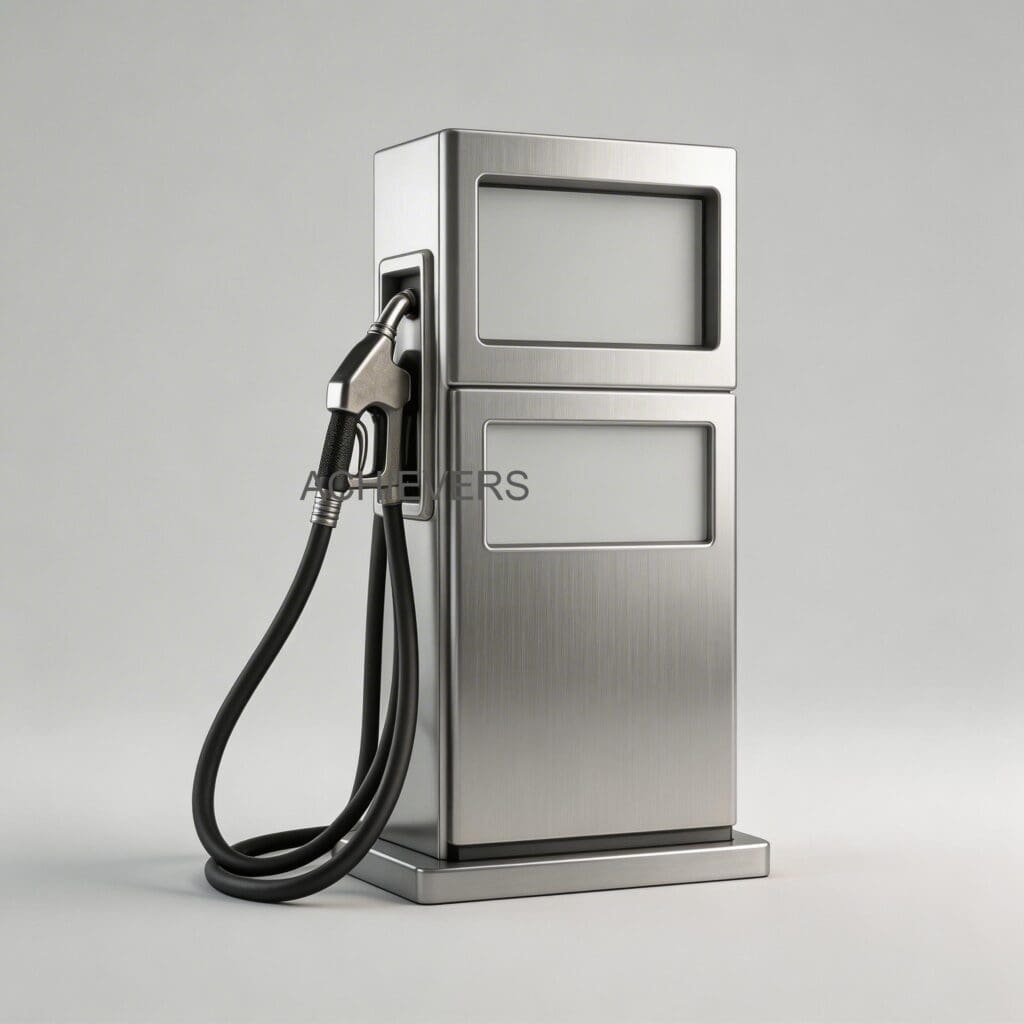
Diesel fuel is the lifeblood of any Indian construction site, but it is also the biggest source of operational bleed. When you are running excavators, DG sets, and transit mixers across a 50-acre EPC project in harsh conditions, using a manual bucket-and-barrel method or a gravity-fed hose is a guaranteed way to lose money. Spillage, undocumented issues, and outright theft can easily consume 5 to 10% of your total fuel procurement. At ₹90+ per liter, a missing 50 liters a day equals a loss of over ₹1.3 Lakhs every month.
To lock down your fuel inventory, you need a commercial-grade Fuel Dispenser engineered specifically for harsh, off-grid environments. A digital Fuel Dispenser takes the guesswork out of site management by combining high-flow pumping, precision positive displacement metering, and instant receipt printing. It ensures every drop of diesel is accounted for, whether you are fueling a massive earthmover or a small diesel generator.
QUICK REFERENCE: Site Preparation Checklist for Fuel Setup
- [ ] Power Audit: Identify if the dispensing unit will run on 220V AC (grid/DG) or 12V/24V DC (vehicle battery).
- [ ] Storage Validation: Ensure your bulk storage tank or mobile bowser has a dedicated bottom drain for sludge removal.
- [ ] Filtration Strategy: Verify that primary water separators are installed upstream of the dispensing unit.
- [ ] Access Control: Designate specific authorized operators to handle the preset controls and receipt collection.
- [ ] Earthing: Ensure continuous bonding from the tank through the dispenser to the delivery nozzle to prevent static build-up.
1. Industry Overview: The Fluid Challenge
Civil construction and EPC (Engineering, Procurement, and Construction) sites in India operate under severe environmental constraints. Equipment must withstand extreme summer heat (often exceeding 45 degrees Celsius in Rajasthan or Gujarat), heavy monsoon humidity, and continuous exposure to silica dust.
Under these conditions, standard retail petrol pump equipment frequently fails. Standard electronic boards fry during rural voltage fluctuations, and fine dust clogs standard impellers. Furthermore, diesel delivered to remote Indian sites is notoriously prone to contamination—water ingress from condensation and particulate matter from rusty transport tankers.
When operators dispense this compromised fuel using substandard pumps, it leads to two major issues: damage to the costly Common Rail Direct Injection (CRDI) systems of modern earthmoving equipment, and air pockets in the delivery lines that cause standard meters to read "air" as "fuel," leading to severe inventory mismatches. A specialized Fuel Dispenser tackles these exact challenges by integrating air eliminators, heavy-duty strainers, and robust metal construction designed to take a beating on site.
2. Product Capabilities Matched to Industry Needs
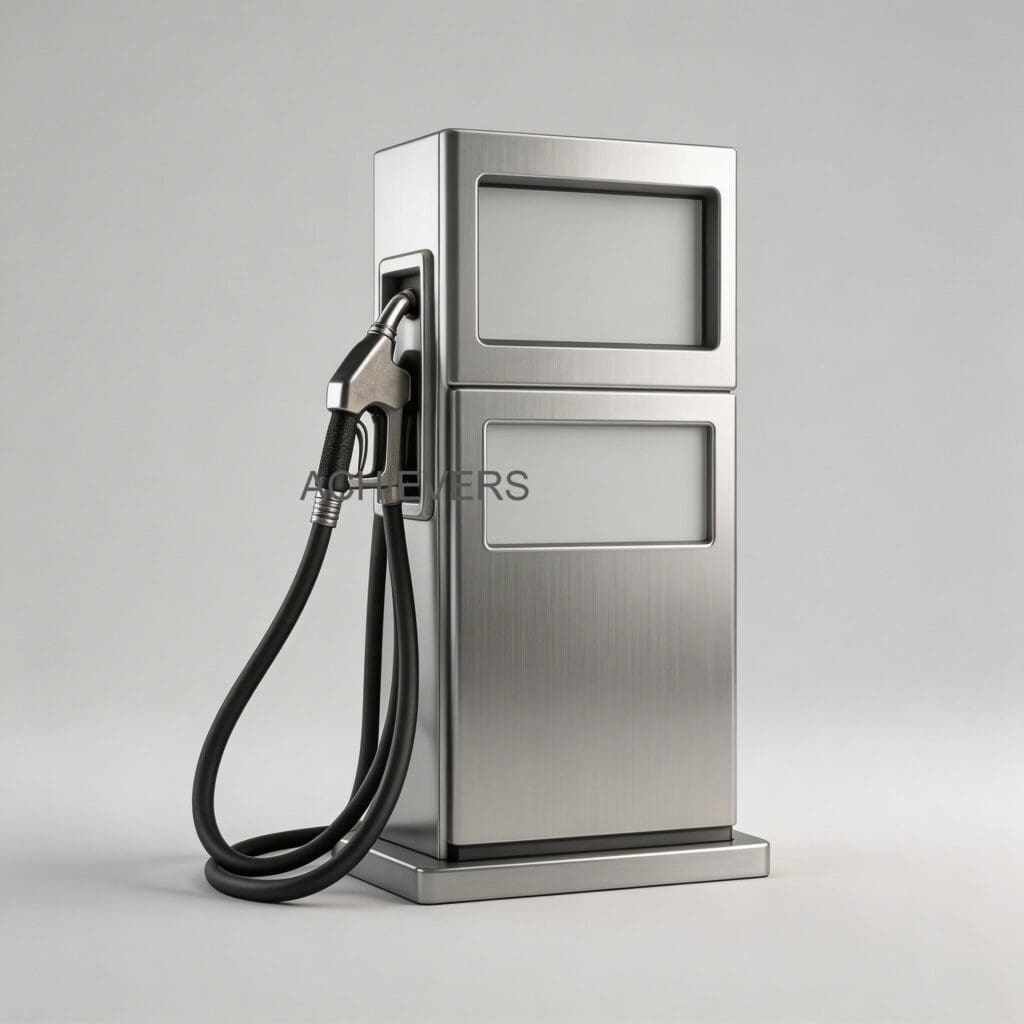
For site operators, the engineering inside the unit matters just as much as the steel on the outside. Here is how the specific technical features of our dispensing system solve direct field problems.
| EPC Site Requirement | Fuel Dispenser Feature | How It Addresses the Need |
| :— | :— | :— |
| Theft & Pilferage Control | Integrated Micro Printer | Generates an instant paper receipt for every transaction. The operator must submit receipts matching the machine logbook, killing "ghost" fueling. |
| Inventory Accuracy | Air Eliminator & Positive Displacement Meter | Vents trapped air before it reaches the flow sensor. Ensures you only pay for liquid diesel, maintaining the strict +/- 0.5% accuracy. |
| High Contamination Tolerance | Built-in Large Capacity Strainer | Blocks rust, scale, and dust from entering the rotary gear pump, protecting both the dispenser internals and the heavy equipment's fuel lines. |
| Fast Turnaround Times | 60 LPM High Flow Rate | Fills a 300-liter excavator tank in just 5 minutes, minimizing machine idle time and keeping the project schedule on track. |
| Unstable Power Supply | 12V DC / 24V DC / 220V AC Options | Allows operation directly from a truck battery or standard single-phase DG power, unaffected by grid power cuts. |
| Operator Misuse Prevention | Auto-Shutoff Nozzle & Preset Function | Operator can type "100 Liters" and walk away. The pump automatically stops at the preset volume or when the receiving tank is full, preventing spillage. |
| Night Shift Operations | Backlit Digital Display | Large numeral screen allows clear visibility during 2 AM fueling shifts without requiring external floodlights. |
| Harsh Environment Durability | Compact, Sturdy Construction | Withstands vibrations on mobile bowsers and resists monsoon moisture and abrasive construction dust. |
RED FLAG WARNING: The "Air" Measurement Trap
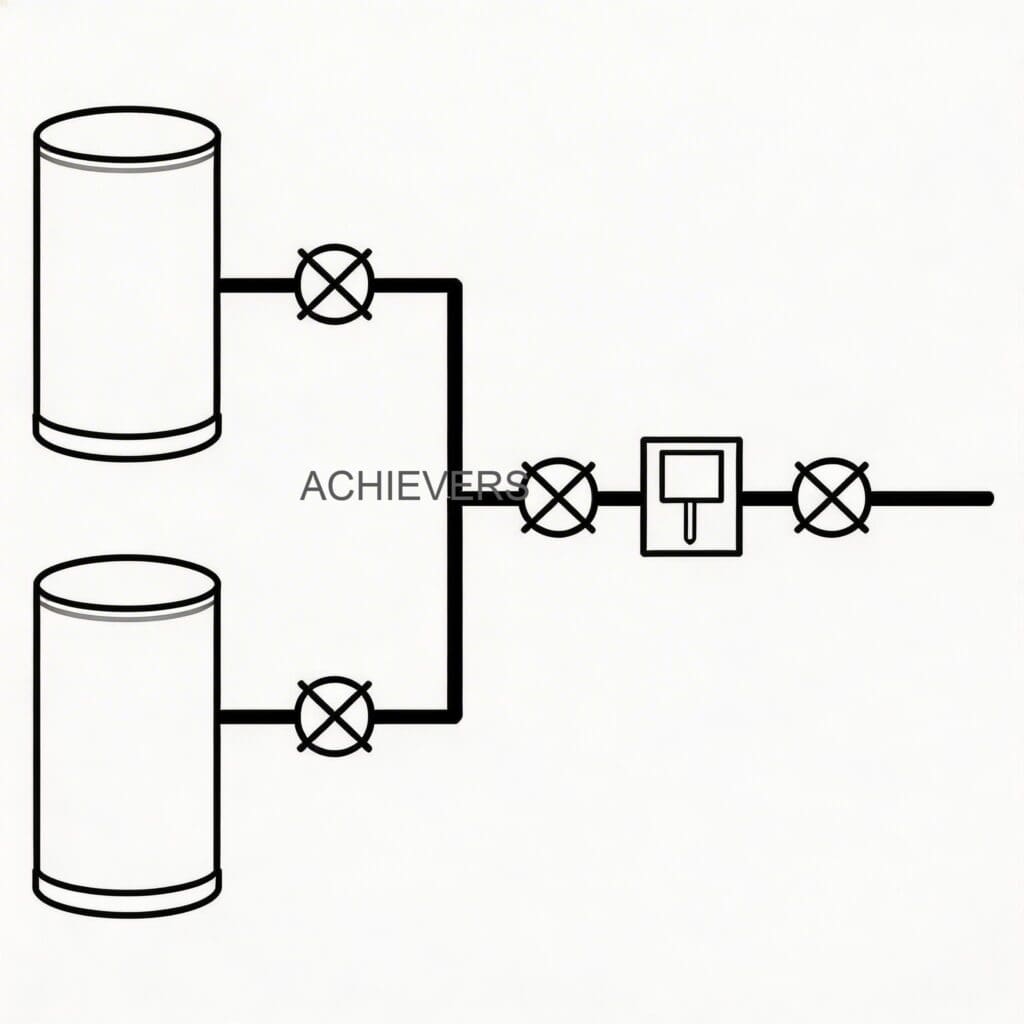
Never install a standard water flow meter or basic turbine meter for diesel dispensing at a construction site. Mobile tanks slosh around, creating air bubbles in the fuel lines. A basic meter will measure this air as fluid, making your logs show you dispensed 500 liters when you only dispensed 460. Always ensure your equipment features a mechanical Air Eliminator before the measuring chamber.
3. Typical Installation Scenarios in This Industry
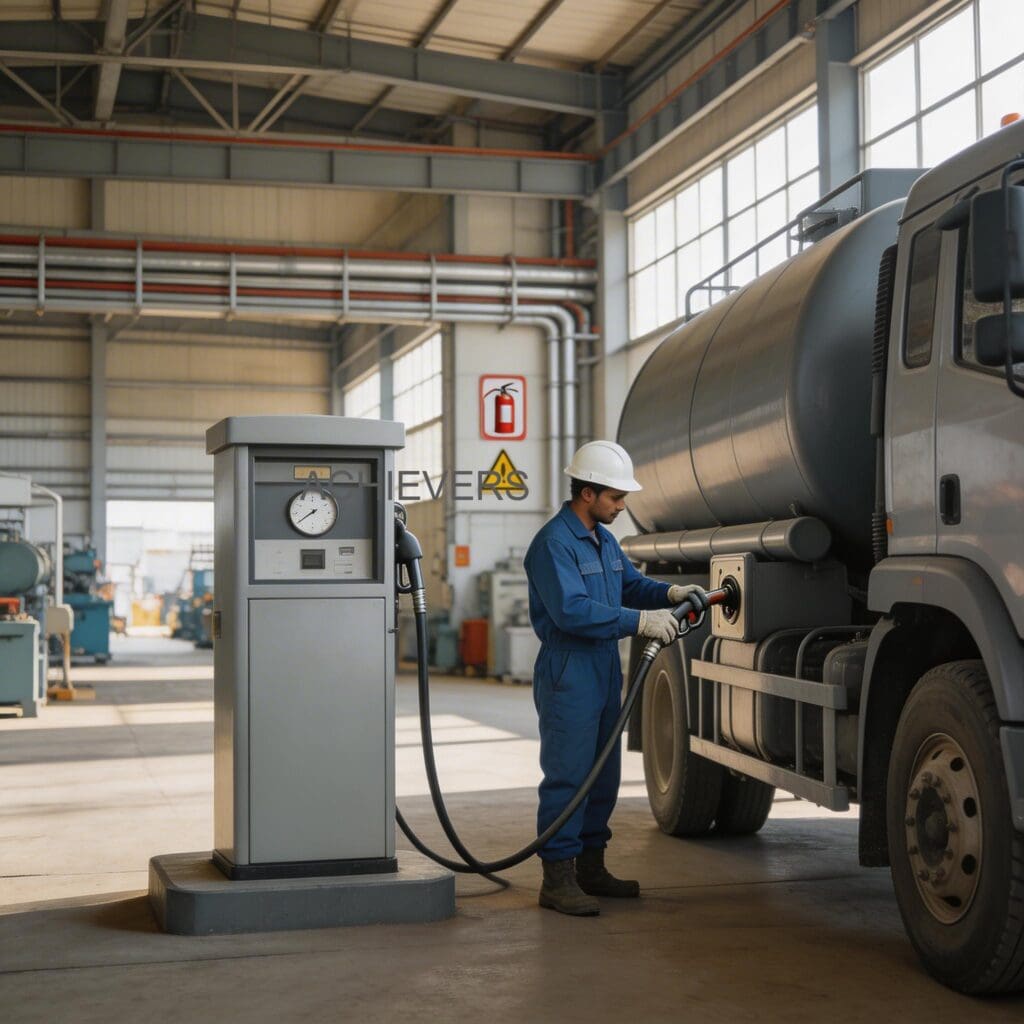
Scenario A: Mobile Diesel Bowser (Truck-Mounted)
This is the most common setup for highway projects and large-scale mining. The dispenser is bolted onto the chassis of a moving diesel truck.
- Power Setup: Driven by a 12V or 24V DC battery stream charged from the vehicle's alternator, or hydraulically powered via the truck’s Auxiliary Gearbox P.T.O.
- Key Settings: The dispenser utilizes the 4 Meter Rubber Hose and auto shutoff nozzle to reach the fuel tanks of stationary excavators and graders on the dirt track.
Scenario B: Stationery Site Fuel Depot
For high-rise construction or central plant areas, diesel is kept in a massive stationary storage tank.
- Power Setup: Connected to the site’s 220V AC or 440V power supply.
- Key Settings: Operators use the Preset Batch function. A dumper pulls up, the supervisor enters the exact approved volume, and the system shuts off automatically, issuing a receipt for the driver to sign. This depot often integrates a heavy-duty Diesel Flow Meter on the receiving end to cross-check fuel delivered by the oil company against what the dispenser issues.
Scenario C: Remote Barrel Dispensing
For smaller structures like culverts or isolated DG sets, fuel is transported in 210-liter barrels.
- Power Setup: A compact 12V DC portable version of the dispenser is clipped directly to a tractor battery.
- Key Settings: The suction pipe is dropped directly into the barrel. The integrated positive displacement meter ensures highly accurate transfer from the barrel to the DG set, eliminating the spillage of manual hand-pumping.
4. Compliance, Accuracy, and Certification Requirements
Indian industrial sites must adhere to strict regulations. Non-compliance can lead to site shutdowns or severe penalties from safety inspectors.
- Legal Metrology Act: Fuel distributed internally for cost-center accounting must be highly accurate. The Positive Displacement Flow Meter inside the unit guarantees an accuracy of +/- 0.5% and repeatability of +/- 0.1%, ensuring internal audits match procurement invoices perfectly.
- PESO (Petroleum and Explosives Safety Organization): While PESO governs the storage tank, the dispensing equipment attached to it must not compromise the integrity of the storage. The unit includes a Non-Return Valve (NRV) to prevent backflow and dangerous pressure build-ups.
- Explosion Protection: For sites operating near petrochemical processing, underground mining, or high-fume areas, a Flameproof (FLP) Motor Fuel Dispenser option is critical to prevent accidental spark ignitions during operation.
5. ROI and Operational Benefits
Investing in professional dispensing equipment pays for itself rapidly in the Indian EPC context.
| Benefit Category | Typical Improvement | Indian Industry Context |
| :— | :— | :— |
| Fuel Loss Prevention | Drops from 8% to <1% | Eradicates "bucket spillage" and undocumented skimming by operators selling diesel on the black market. |
| Reconciliation Time | Saved 15+ hours/week | Accountants no longer chase dirty, unreadable logbooks. Printed receipts from the micro printer provide a perfect daily audit trail. |
| Equipment Uptime | 20% faster fueling | 60 LPM flow rate means a transit mixer is back to pouring concrete in minutes, not standing idle while hand-cranked. |
| Maintenance Savings | Zero CRDI failures | The built-in large capacity strainer catches tank rust and dust before it enters the expensive fuel injectors of earthmoving machinery. |
6. Selection Checklist for This Industry
Do not buy a generic pump off the shelf. When specifying a dispenser for your Indian construction site, use this exact procurement checklist:
- Determine Primary Power Availability: Specify whether you require 12V DC, 24V DC, 220V AC, or 440V AC. (DC is mandatory if mounting on a truck without an inverter).
- Select Pumping Mechanism: Choose between an Internal Rotary Gear Pump (best for thicker fluids or suction lifts) or a Vane Pump depending on your tank depth.
- Mandate Air Elimination: Ensure the quote explicitly includes a built-in air eliminator to guarantee volume accuracy.
- Specify Flow Rate Needs: Standard is up to 60 LPM. Assess if this matches your fleet’s tank sizes (e.g., a 500-liter dump truck tank takes ~8.5 mins at this rate).
- Require Output Documentation: Verify the inclusion of the Micro Printer for instant preset receipt generation.
- Check Hose Specifications: Ensure standard delivery includes a minimum 4-meter industrial rubber hose suitable for harsh UV and rough handling.
- Confirm Nozzle Type: Insist on an auto-shutoff nozzle to prevent overflowing when the operator is distracted.
- Evaluate FLP Requirements: Check with your site safety officer if a Flameproof (FLP) motor is legally required for your specific operational zone.
FAQ
Q: Can this unit run directly off an excavator's battery?
A: Yes, if you select the 12V or 24V DC battery-powered dispensing system, it can be powered directly from vehicle batteries using heavy-duty alligator clips.
Q: How do we prevent dust from ruining the micro printer in the field?
A: The digital Fuel Dispenser is built with rugged, enclosed housing designed for harsh conditions. However, we recommend keeping the access door closed immediately after collecting the printed receipt to extend printer life during high wind or dust storms.
Q: What happens if the power cuts out while a preset batch is dispensing?
A: The pump will immediately stop, and the non-return valve will prevent the fuel from draining back. The digital display maintains the cumulative totalizer data, so your overall accounting remains perfectly intact.
Q: Does the system measure accurately if the flow rate drops due to low battery?
A: Yes. Because it uses a Positive Displacement Flow Meter rather than a velocity-based turbine, it physically measures the volume of fluid passing through, maintaining the +/- 0.5% accuracy even if the flow rate fluctuates.
Q: How often do we need to clean the internal strainer?
A: In Indian site conditions where fuel is often transferred from rusty barrels or old tankers, we recommend inspecting and cleaning the inlet strainer every two weeks. A clogged strainer will cause the pump to cavitate and reduce your flow rate.
Q: Can it be used to dispense fuel from standard 210-liter drums?
A: Absolutely. The compact design allows it to be utilized for remote barrel dispensing. You simply require a suitable suction pipe to drop into the barrel and a 12V DC power source.
Q: What is the warranty on the system?
A: The system comes with a standard 1-year warranty, and a 2-year extended warranty is available on demand for total peace of mind on long-term projects.
Stop letting unmetered diesel drain your project profitability. Contact Chintan Engineers today to specify a Fuel Dispenser customized for your exact site conditions. Tell us your required power supply (AC/DC), expected daily flow volume, and mounting preference (mobile bowser or stationary tank), and our technical team will deliver a heavy-duty, theft-proof solution tailored to your EPC operations.