
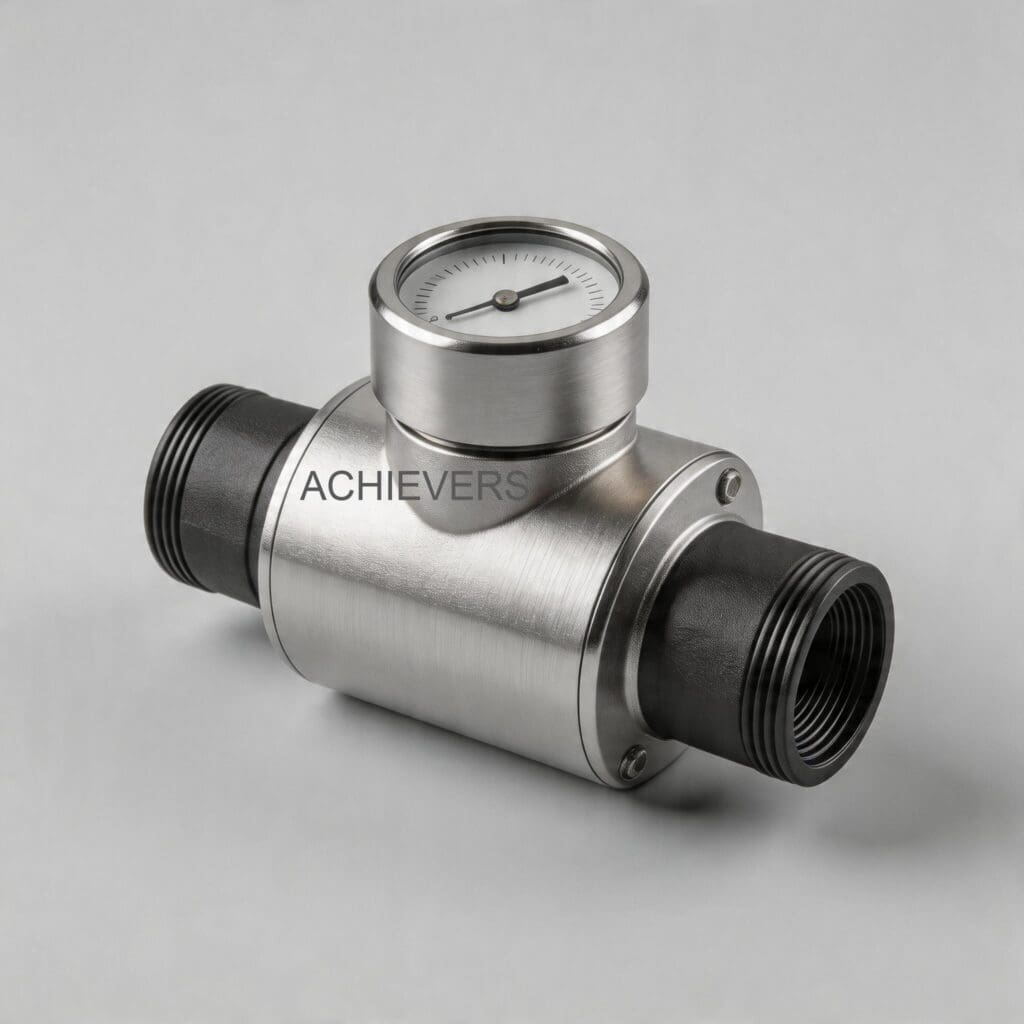
Boiler fuel oil lines are notoriously difficult to monitor. Between shifting fluid viscosities, high operational temperatures, and fluctuating burner demands, generic velocity-based flow meters fail to deliver reliable consumption data. For plant operators and utilities engineers, this means guessing true fuel costs, tolerating unexplained mass balance losses, and struggling to stabilize burner air-fuel ratios.
To track true consumption and stabilize burner tuning, you need positive displacement technology. Deploying an Oil Flow Meter built around an oval gear mechanism physically isolates and counts fluid volumes. It is immune to viscosity changes, unaffected by upstream piping straight-runs, and capable of operating at the high temperatures required for heavy fuel oil (HFO) and furnace oil.
Quick Reference: Boiler Fuel Oil Metering Setup
- Sensor Type: Oval Gear (Positive Displacement)
- Flow Range: 1.0 LPH to 24,000 LPH
- Line Size: 6mm to 150mm (1/4" to 6")
- Accuracy: +/- 0.5% of reading (Repeatability: 0.1% to 0.02%)
- Temperature Limit: Up to 150°C (ideal for heated Furnace Oil)
- Outputs: 4-20 mA analog, Serial RS485 Modbus
1. Industry Overview: The Fluid Challenge
Industrial boilers and process heaters consume massive volumes of liquid fuels. Whether you are burning light diesel oil (LDO), heavy furnace oil, or viscous vegetable oils, the fluid characteristics rarely remain static. As ambient and storage temperatures shift, so does the fluid's viscosity.
Standard turbine or ultrasonic meters drift when viscosity changes, leading to inaccurate oil flow meter for boiler fuel oil consumption monitoring. Furthermore, boiler rooms are often cramped. You rarely have the luxury of providing the 10-to-15 pipe diameters of straight run required by velocity-based meters. Plant managers also face strict regulatory and environmental standards globally (such as ISO 50001, API standards, and emissions caps). Without an accurate baseline of fuel consumption, improving burner efficiency or proving regulatory compliance is impossible.
2. Product Capabilities Matched to Industry Needs
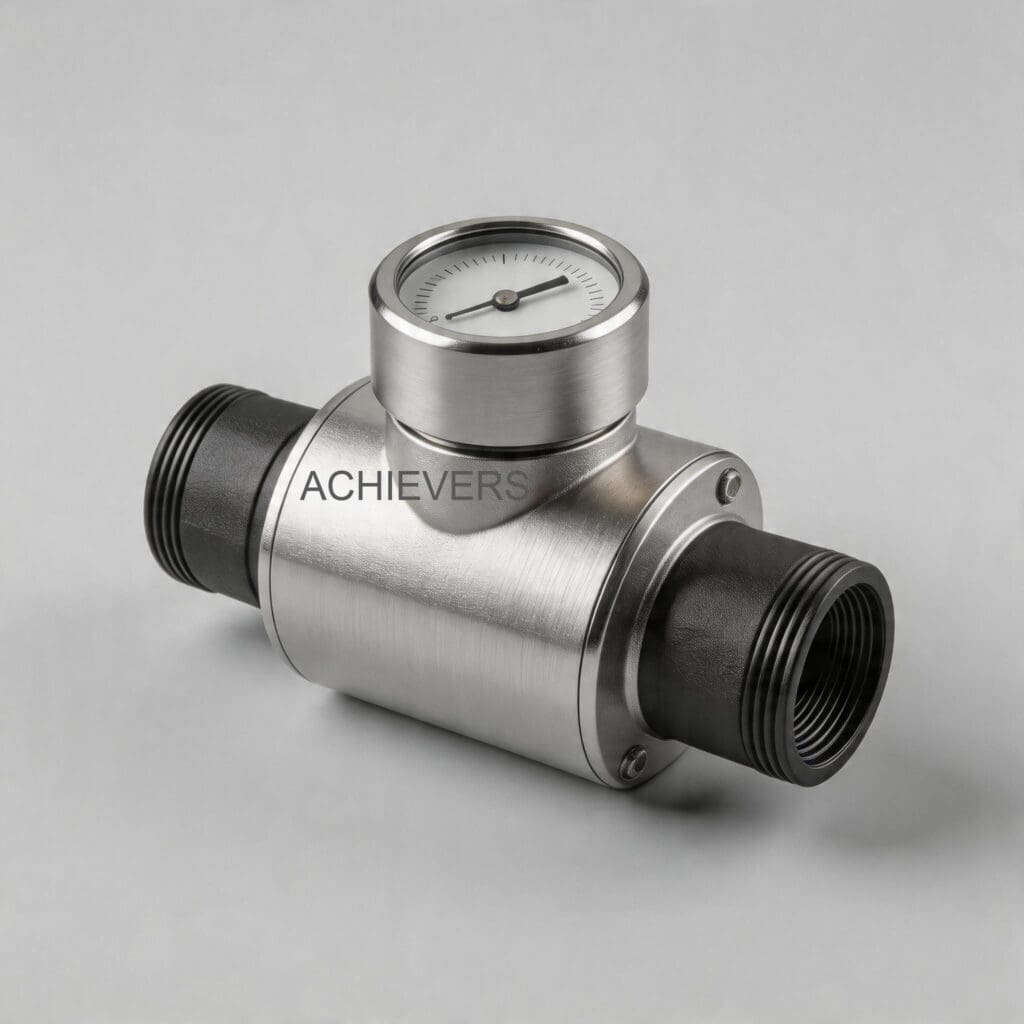
For accurate industrial oil flow meter specifications for manufacturers, the equipment must align directly with the physical realities of the boiler house. The Oil Flow Meter utilizes a lightweight yet robust aluminum alloy construction, paired with a precision oval gear design.
| Industry Requirement | Oil Flow Meter Feature | How It Addresses the Need |
| :— | :— | :— |
| Varying Fluid Viscosities | Oval Gear Positive Displacement | Measures isolated volumes physically; accuracy remains stable whether measuring thin LDO or thick heavy base oils. |
| High-Temperature Operation | Rated up to 150°C | Safely measures pre-heated furnace oil necessary for proper burner atomization without sensor degradation. |
| Cramped Piping Layouts | No Straight-Run Requirement | Not affected by outside elements caused by installation; can be mounted directly after elbows or valves. |
| BMS/SCADA Integration | 4-20 mA & RS485 Modbus | Allows continuous remote logging of consumption, enabling real-time burner efficiency calculations and automation. |
| High Turndown Ratio | 1.0 LPH to 24,000 LPH Range | Maintains accuracy across massive flow variations, from boiler pilot ignition to full baseload firing. |
| Particulate Protection | Integrated Mesh Strainer | Prevents pipe scale, sludge, or fuel debris from locking the precision gears, maximizing uptime. |
| Low Pressure Drop | Gravity & Pump Suitability | Ensures the meter does not restrict fuel flow to the burner pump, preventing cavitation and burner starvation. |
| Ergonomic Reading | 90º Rotatable Register Head | Allows operators to orient the digital display for clear visibility regardless of horizontal or vertical pipe orientation. |
3. Typical Installation Scenarios in This Industry
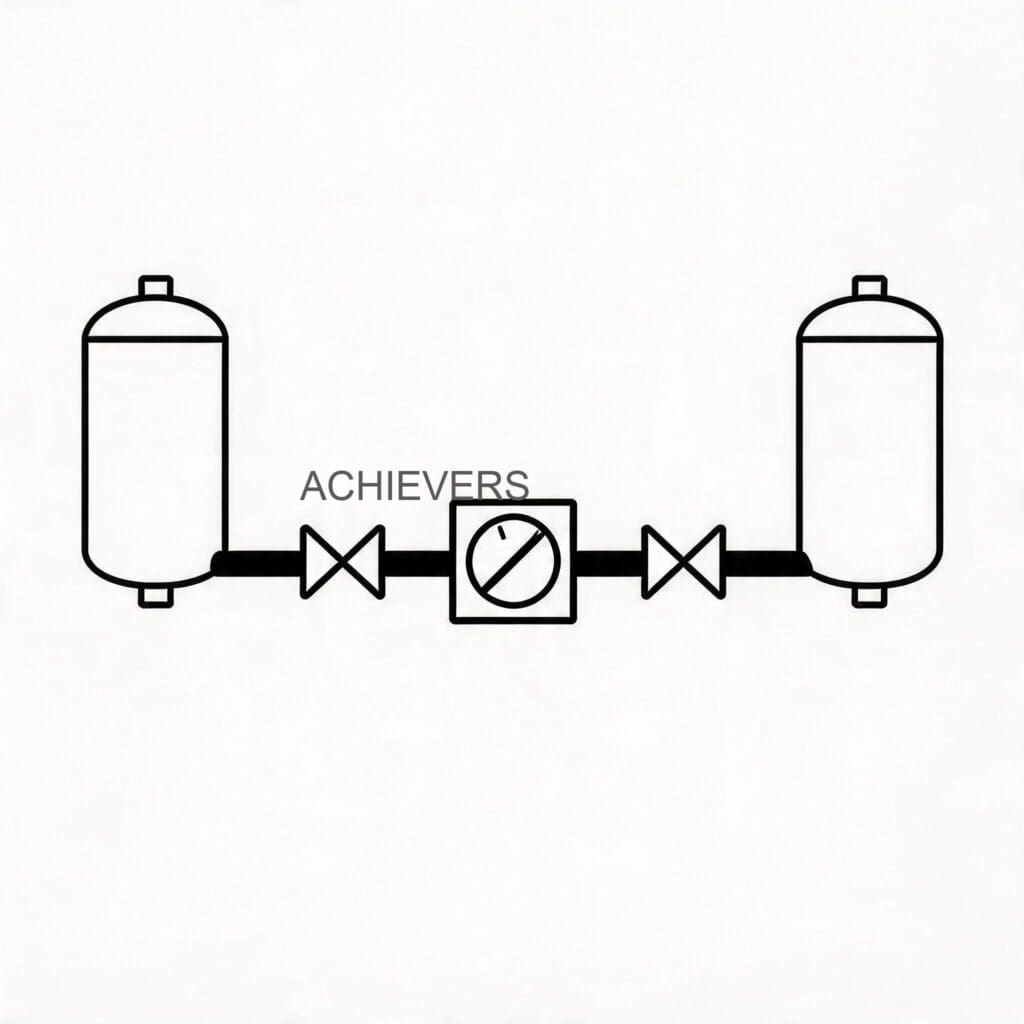
The deployment of an Oil Flow Meter depends entirely on the burner configuration. Below are the standard industrial layouts used globally.
Scenario 1: Single-Line Feed (Day Tank to Burner)
Used for smaller boilers or burners without a return loop. The meter is installed directly inline between the fuel oil transfer pump and the burner assembly. Because the oval gear design handles low pressure drops, it can even be utilized in gravity-fed systems. The local electronic digital display tracks totalized volume, while the RS485 output feeds instantaneous flow rates to the boiler control panel.
Scenario 2: Ring Main (Supply and Return) Differential Metering
Modern modulating burners draw fuel from a pressurized ring main and return unburned fuel back to the day tank. Tracking consumption requires two meters: one on the supply line and one on the return line. The true consumption is calculated by the PLC as Supply Volume minus Return Volume. The +/- 0.5% precision and high repeatability of this meter ensure the calculated difference is highly accurate.
Scenario 3: Unloading and Storage Transfer
Beyond the boiler itself, tracking inventory requires metering at the offloading point. Installing a larger diameter (e.g., 150mm) meter on the bulk reception line provides a commercial check against delivery tickets. The step-less calibration system ensures exact measurement of lube loading and emptying from tankers, reducing supplier disputes.
Red Flag Warning:
When using two flow meters for a differential fuel circuit (supply minus return), never mix meter brands or technologies. Even slight differences in pressure drop or thermal expansion coefficients between unmatched meters will compound errors, resulting in wild fluctuations in your calculated net consumption.
4. Compliance, Accuracy, and Certification Requirements
Plant managers evaluating a reliable oil flow meter supplier must prioritize metrological compliance. The meter features a stepless calibration system and delivers accuracy consistent between calibration levels. With a precision of +/- 0.5% of reading and repeatability ranging from 0.1% down to better than 0.02%, it exceeds most internal audit requirements for mass balance calculations.
The electronic control and digital signal outputs (Modbus RS485) provide the necessary data integrity for ISO 50001 energy audits. By transmitting pure digital data rather than relying solely on manual register readings, facilities eliminate human transcription errors. The rugged aluminum construction is designed to withstand harsh industrial environments from chemical process plants to power generation facilities.
5. ROI and Operational Benefits
Installing a precision meter on your boiler line is an operational investment that rapidly pays for itself through loss prevention and optimized burner tuning.
| Benefit | Typical Improvement | Global Industrial Context |
| :— | :— | :— |
| Burner Tuning | 2% to 5% fuel savings | By linking flow data with flue gas oxygen sensors, PLCs can trim combustion air exactly to the fuel mass. |
| Inventory Reconciliation | Elimination of 1-3% phantom losses | Facilities from Europe to Oil Flow Meter for boilers in India and APAC can finally match supplier invoices with actual burner consumption. |
| Maintenance Prediction | Increased burner uptime | Sudden drops in fuel flow rate on the Modbus feed can instantly flag clogged primary filters before the boiler trips. |
| Batch Control | Process automation stability | In lube blending or food industries using vegetable oils, exact measurement of base oil additions prevents costly batch rejections. |
6. Selection Checklist for This Industry
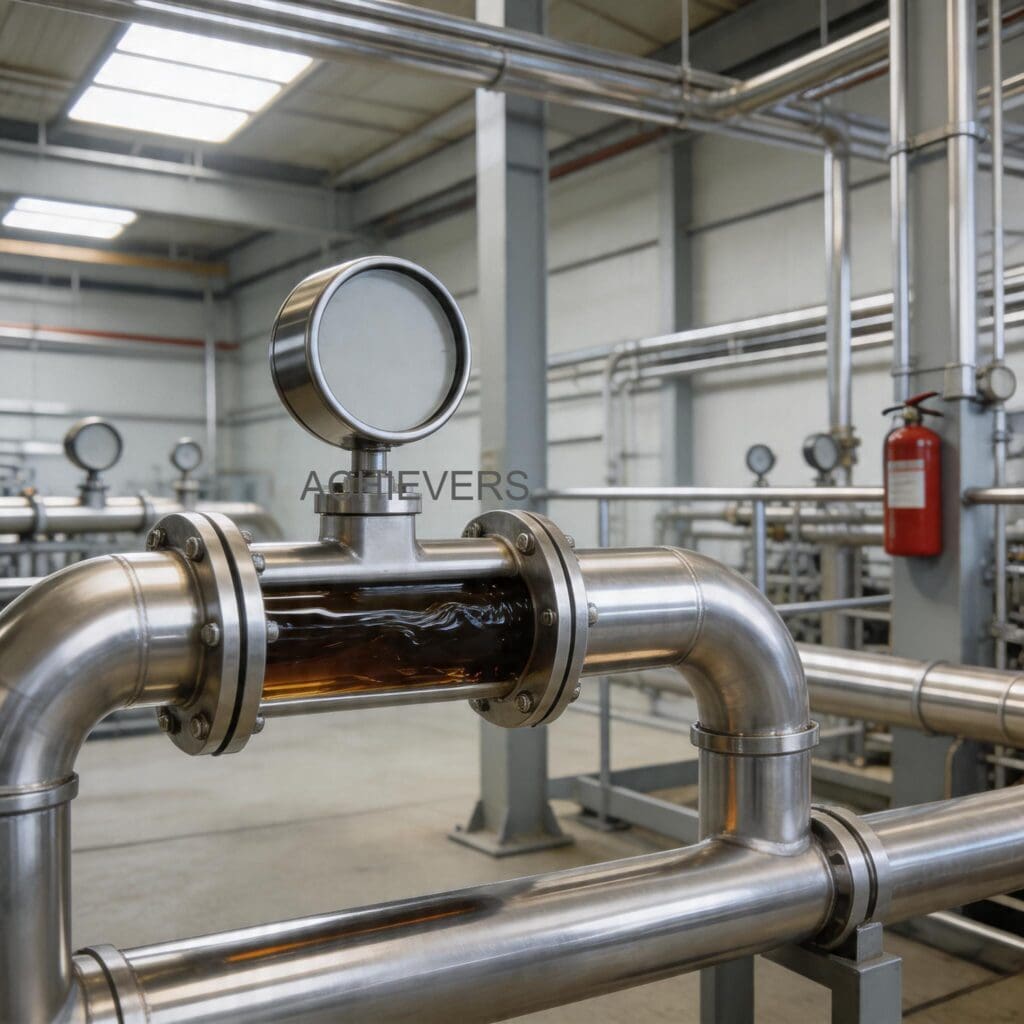
To buy oil flow meter for boiler burner line applications, run through this rigorous technical checklist before generating a purchase order. Getting these parameters right prevents premature mechanical failure and ensures seamless SCADA integration.
- Calculate the Flow Profile: Determine your absolute minimum and maximum expected flow rates. Ensure they fall comfortably within the 1.0 LPH to 24,000 LPH range.
- Verify Line Size: Match the meter flange/thread size to your piping. Available sizes range from 6mm to 150mm (1/4" to 6"). Do not arbitrarily reduce pipe size to fit a smaller meter, as this creates artificial pressure drops.
- Specify Operating Temperature: Standard meters handle ambient conditions, but furnace oil must be heated for atomization. Confirm your fluid does not exceed the meter's 150°C maximum rating.
- Identify the Fluid Viscosity: Confirm the fluid type (LDO, HFO, vegetable oil, heavy base oil). Oval gear meters thrive on high viscosity, but knowing the exact centistoke (cSt) range ensures proper factory calibration.
- Select Communication Protocols: Decide if you need the analog 4-20 mA signal for older PLCs or the Serial RS485 Modbus for modern, multi-drop digital networks.
- Confirm Filtration Needs: While the meter has an integrated mesh strainer, determine if your bunker fuel requires supplementary primary filtration (like a duplex basket strainer) upstream to handle heavy sludge.
- Evaluate Pressure Drop: Cross-reference the meter's pressure drop curve against your burner fuel pump's suction or discharge head limits.
- Specify Display Orientation: Determine whether the pipe run is vertical or horizontal so the 90º rotatable register head can be configured for easy operator reading.
- Verify Unit of Measure: Specify factory calibration in Liters, US Gallons, or UK Gallons to match your plant's standard engineering units.
- Assess Accessory Needs: Determine if an automatic additive injector or a larger continuous Fuel Flow Meter system is required elsewhere in the facility.
FAQ
Q: Will changes in furnace oil temperature affect the meter's accuracy?
A: Because it uses a positive displacement oval gear design, the meter isolates exact volumes of fluid regardless of viscosity shifts caused by temperature changes, maintaining its +/- 0.5% accuracy.
Q: Do I need to install straight pipe sections before and after the meter?
A: No. Unlike turbine or ultrasonic meters, positive displacement meters are not affected by turbulent flow profiles. You can install them directly after elbows, valves, or strainers without degrading accuracy.
Q: Can this meter handle highly viscous fluids like heavy base oils or pre-heated furnace oil?
A: Yes. The unit is perfectly suited for low to high viscous lube oils and can handle high-temperature, high-viscosity Furnace Oil up to 150°C.
Q: How do I integrate the flow data into our plant's Building Management System (BMS)?
A: The meter comes equipped with an electronic digital display that outputs both analog 4-20 mA and Serial RS485 MODBUS signals, making it plug-and-play for modern SCADA and BMS systems.
Q: What happens if debris from the bulk storage tank enters the boiler line?
A: The meter is provided with an integrated mesh strainer to capture scale and particulates before they can reach the oval gears. However, for extremely dirty bunker fuels, a dedicated upstream primary strainer is recommended.
Q: What is the maintenance interval for the oval gear mechanism?
A: The meter is designed for quick and easy maintenance. In clean lubricating oils, the gears can run for years without intervention. In heavy fuel oil applications, inspecting and cleaning the integrated strainer during your standard annual boiler shutdown is usually sufficient.
Q: Can the digital display be read if the pipe is running vertically?
A: Yes. The register head can be easily removed and rotated to 90º orientations, ensuring the digital readout is always perfectly level and visible to the operator.
To lock in accurate mass balance tracking and stabilize your boiler efficiency, contact our engineering team to size the correct equipment for your site. Provide your fluid type, maximum operating temperature, flow rate range (LPH), and line size to receive a tailored technical specification and quotation.