
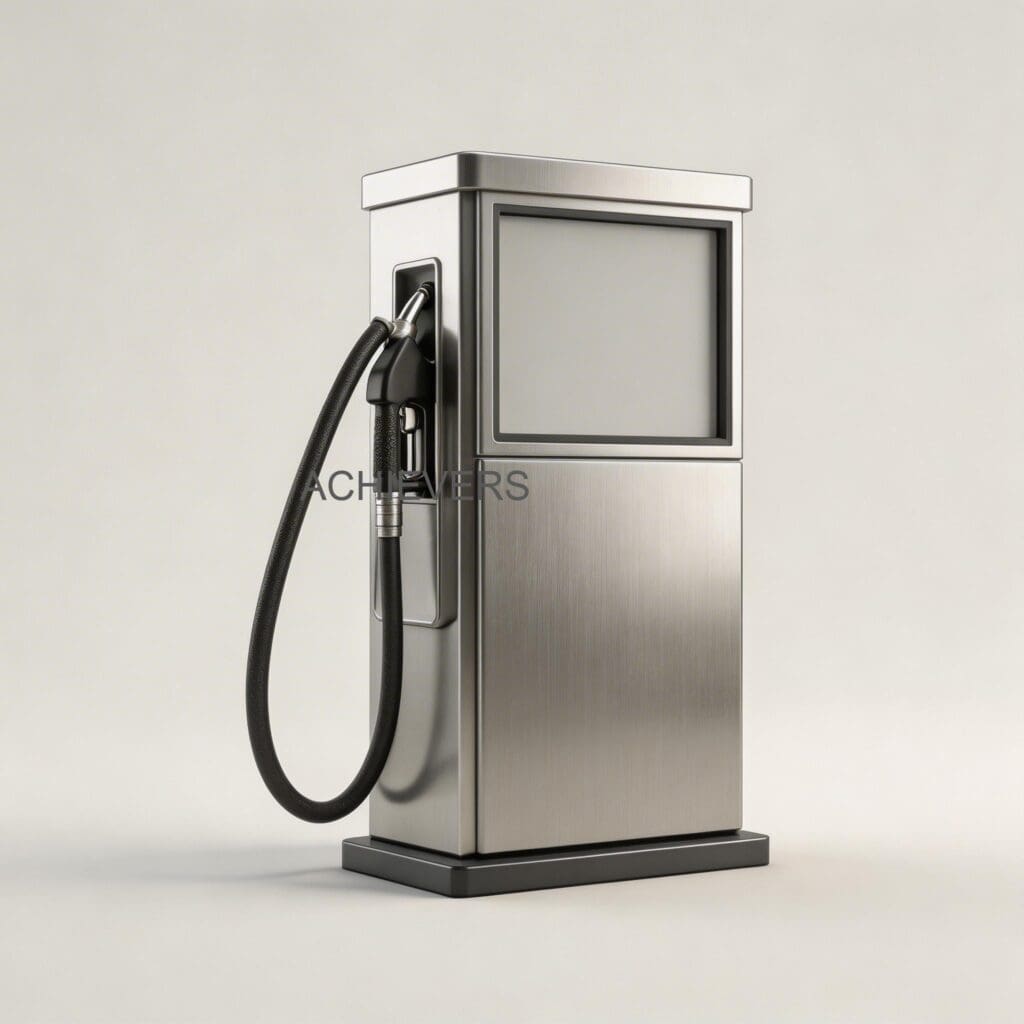
Every day, procurement heads and fleet managers ask the same question when upgrading their fueling infrastructure: should we install a mechanical or electronic Diesel Dispenser? When you are handling thousands of liters of fuel worth lakhs of rupees, your dispenser is not just a pump; it is your primary cash register and inventory control checkpoint. Making the wrong choice leads to unrecorded pilferage, frequent breakdown downtime, and severe reconciliation headaches at the end of the month.
This guide strips away the marketing fluff and compares mechanical and electronic setups exactly the way you evaluate them on-site. We will look at accuracy drift, preset controls, anti-pilferage features, uptime in harsh Indian conditions, and actual serviceability. Whether you are running a captive fleet depot in Haryana, fueling heavy earth-moving equipment at an Odisha mining site, or managing backup gensets for a pharmaceutical plant in Gujarat, you need a clear match for your operational reality. Let's break down the best diesel dispenser for fleet depot applications and industrial captive fueling.
Quick Reference: Mechanical vs Electronic Procurement Checklist
- Power Quality: Do you have stable power? (If no, lean mechanical or invest in UPS).
- Operator Trust: Do you need exact preset batching to stop over-dispensing? (If yes, mandate electronic).
- Data Logging: Do you need physical printed receipts for driver logs? (If yes, electronic).
- Environment: Is the unit exposed to heavy coal/iron dust or open monsoon rain? (If yes, lean mechanical or specify IP65+ electronic enclosures).
- Metrology: Does the site fall under strict Legal Metrology Act compliance for custody transfer? (Electronic CE-204 type is highly recommended).
🚨 Red Flag Warning:
Never install an electronic dispenser at a remote Indian construction site without a dedicated voltage stabilizer. Standard grid fluctuations (dropping to 160V or spiking to 280V) will instantly fry the mainboard, leaving your 60 LPM pump completely dead. If you cannot guarantee power quality, a robust mechanical unit with a rugged oval gear flow meter is your safest bet for uninterrupted site operations.
1. Overview of Diesel Dispenser Family
An industrial Diesel Dispenser is engineered to provide absolute control over fuel consumption and eliminate site pilferage. Unlike crude drum pumps, these systems integrate a high-accuracy positive displacement (P.D.) flow sensor to ensure exact measurements, regardless of the fluid's viscosity changes due to temperature. Built ruggedly to survive harsh environmental conditions, these dispensers are the backbone of companies that own and operate captive autos, forklifts, transport trucks, and cranes.
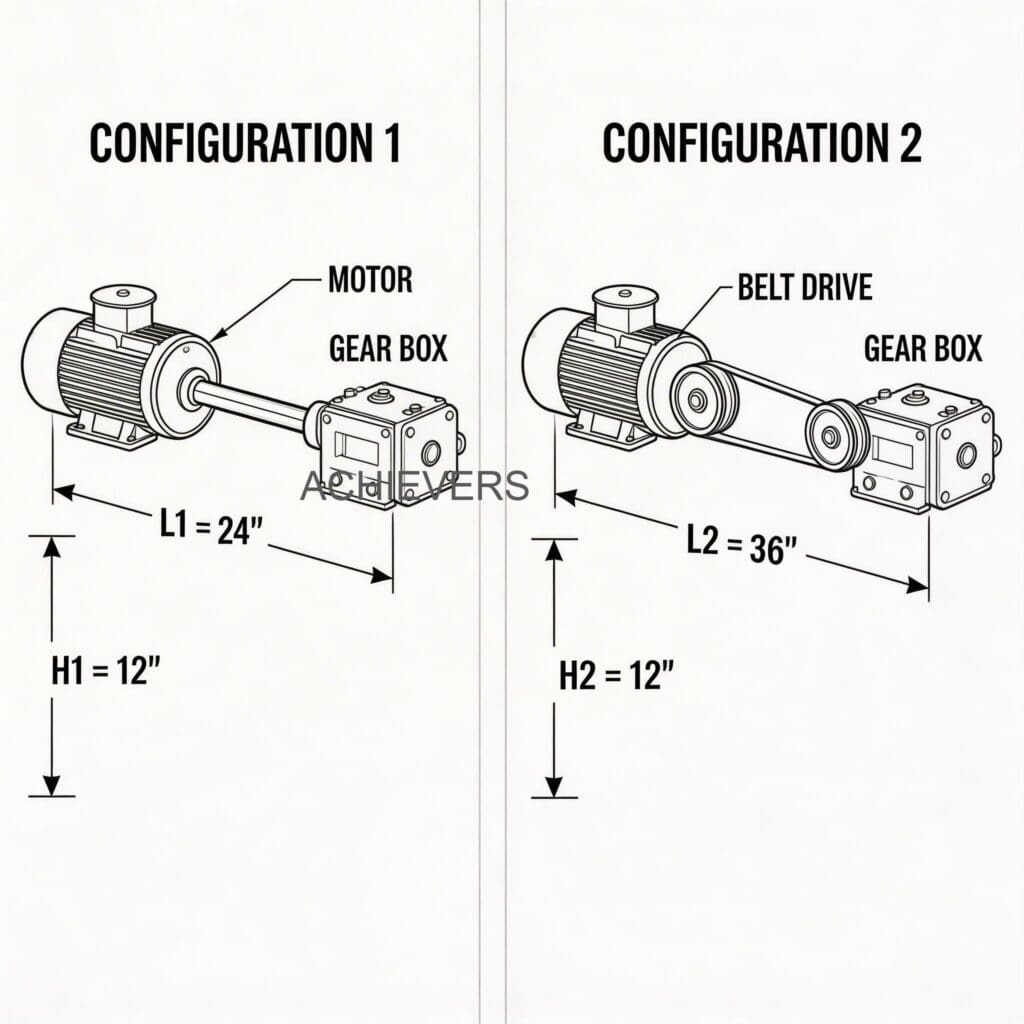
The core of both mechanical and electronic variants relies on the same fundamental hydraulic technology: a heavy-duty 0.375 kW motor, a high-capacity pump delivering 60 LPM to 200 LPM, and an exceptionally accurate oval gear flow meter. They both utilize auto shut-off nozzles for safe tank topping and feature large-capacity reusable filters to clean contaminated fuel before it reaches your vehicles. The critical divergence lies in the "head"—how the data is processed, displayed, and controlled.
Mechanical units rely on geared drum counters for their resettable batch and cumulative totalizers. They are pure, brute-force engineering. Electronic units replace the mechanical counter with a digital interface, offering preset batching, password protection, and one-touch receipt printer facilities customized with your company header. Understanding which technology head to pair with your rugged pump body dictates your entire fuel management strategy.
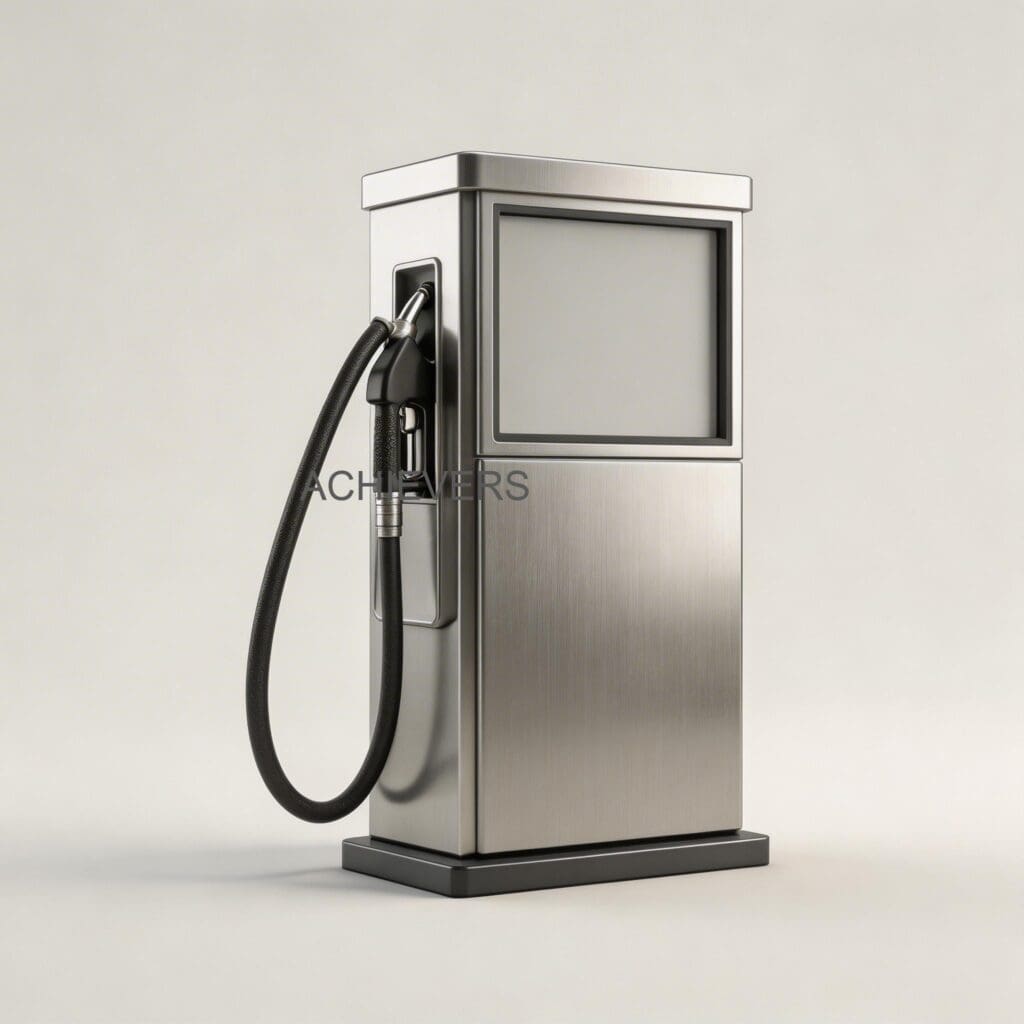
2. Head-to-Head Specification Comparison
When evaluating a diesel dispenser price and specifications, you must look beyond the casing. The table below compares the internal components and operational specs of mechanical versus electronic variants, using real-world data from the CE-130 and CE-204 series models.
| Specification / Feature | Mechanical Diesel Dispenser | Electronic Diesel Dispenser |
| :— | :— | :— |
| Applicable Media | Diesel / Biodiesel | Diesel / Biodiesel |
| Flow Rate Capability | 60 L/Min to 200 LPM | 60 L/Min to 200 LPM |
| Measurement Sensor | Oval gear flow meter | Oval gear flow meter (with pulse output) |
| Working Pressure | 3 Bar | 3 Bar |
| Power Output | 0.375 kW | 0.375 kW (plus electronic board load) |
| Precision / Accuracy | ±0.5% | ±0.5% (Easier digital micro-calibration) |
| Inlet/Outlet Size | 25 mm | 25 mm |
| Batch Counter Range | 0 – 9999 L (Mechanical Drum) | Digital LCD (Customizable limits) |
| Totaliser Range | 0 – 9999999 L (Non-resettable) | Digital Non-resettable memory |
| Preset Dispensing | Not Available (Manual stop only) | Standard (Auto-stop at exact preset volume/price) |
| Receipt Printer | Not Available | Integrated One-Touch Printer (Custom header) |
| Hose & Fittings | 4 m rubber hose, Brass fitting, Metal gun | 4 m rubber hose, Brass fitting, Auto shut-off nozzle |
| Anti-Pilferage | Visual totaliser tracking | Password locks, preset limits, electronic logs |
| Voltage Sensitivity | Zero (Pure mechanical counter) | High (Requires stable 12V/24V DC or 220V AC) |
3. Application Comparison Table
Selecting the best Diesel Dispenser in India for industrial fueling requires matching the technology to the site environment. What works in a clean pharmaceutical plant will fail at a dusty stone crusher. Use this application matrix to determine your best fit.
| Application Scenario | Recommended Option | Technical Reasoning |
| :— | :— | :— |
| High-Dust Mining Operations | Mechanical | Coal/iron dust ruins printer slots and unsealed keypads. Mechanical drum counters ignore dust. |
| Captive Logistics Fleet Depot | Electronic | Requires exact fuel logging per truck. The integrated printer provides drivers with physical proof of fill. |
| Remote Road Construction Sites | Mechanical | Grid power is non-existent. Diesel is pumped via portable generator power with massive voltage spikes. |
| High-Frequency Genset Filling | Electronic | Preset features allow the operator to punch in exactly 500 liters and walk away. Auto shut-off prevents spills. |
| Pilferage-Prone Unmanned Sites | Electronic | Digital tracking prevents "topping off" personal vehicles. Password protection locks out unauthorized users. |
| Mobile Bowser / Tanker Mounting | Electronic (12V/24V DC) | Battery-operated electronic units handle truck vibrations well and allow precise delivery to client sites. |
| Harsh Monsoon / Coastal Areas | Mechanical | Heavy salinity and 100% humidity degrade cheap PCBs. Mechanical units with metal housings survive longer. |
| Custody Transfer / Resale | Electronic (CE-204 type) | Requires strict Legal Metrology Act approval. Electronic calibration is required for commercial petroleum pump standards. |
(Pro tip: If your application involves purely transferring fuel from a storage tank to a day tank without the need for a full dispensing station, consider installing a dedicated Fuel Dispenser or a standalone Diesel Flow Meter to monitor the line directly.)
4. Total Cost Comparison
Procurement teams must evaluate the total cost of ownership (TCO) over a 5-year lifecycle. Upfront pricing is only a fraction of the cost. Downtime and maintenance in the Indian context will quickly overshadow initial savings.
| Dispenser Option | Purchase Range (INR) | Annual Maintenance Focus | Expected Life | Best For |
| :— | :— | :— | :— | :— |
| Mechanical Basic (CE-130 type) | ₹25,000 – ₹45,000 | Filter cleaning, hose inspection, manual calibration check. | 7-10 Years | Rugged environments, budget-conscious sites, poor power grids. |
| Electronic Standard | ₹45,000 – ₹75,000 | Keypad wear, display check, voltage stabilizer maintenance. | 5-7 Years | Standard fleet yards, clean industrial zones, controlled operator access. |
| Electronic Advanced (Printer/Preset) | ₹80,000 – ₹1,50,000+ | Printer paper replacement, software/calibration updates, sensor cleaning. | 5-8 Years | Large logistics hubs, commercial resale, high-security captive fueling. |
5. Decision Guide: Which One for Your Plant?
Still debating? Run your site profile through these 8 specific decision scenarios to lock in your procurement choice.
- Evaluate your Operator Accountability:
- Assess the Power Grid Quality:
- Analyze the Turnaround Time Requirements:
- Factor in the Operating Environment:
- Determine Legal Metrology Requirements:
- Consider the Maintenance Skill Level On-Site:
- Evaluate Hose and Reach Requirements:
- Plan for Future Automation:
If your operators are heavily trusted or closely monitored by CCTV, a mechanical unit is sufficient. If you face constant mysterious fuel shrinkage, you must upgrade to an electronic dispenser. The electronic preset ensures the operator can only dispense the exact authorized amount, completely cutting out manual "over-squeezing."
Look at your daily voltage logs. If your plant suffers from deep voltage sags or requires frequent switchovers to unreliable backup power, electronic motherboards will suffer. Choose a mechanical meter, or mandate the purchase of an industrial-grade UPS alongside your electronic dispenser.
For a fleet of 100+ buses, speed is everything. Electronic dispensers with one-touch receipt printers drastically reduce the administrative time spent logging fills on a clipboard. The driver gets a slip, the data is logged, and the bus moves.
Walk your site. Is there thick cement dust? Is it exposed to direct 45-degree summer sun in Rajasthan? Mechanical displays (drum counters) do not fade in UV light and do not short out when covered in conductive dust. Electronic LCDs require shading and regular cleaning.
If you are cross-charging fuel to sub-contractors or dispensing in a manner that requires legal custody transfer, you usually need a dispenser with metrology approval by the Government of India. Electronic units like the CE-204 are built precisely to meet these petroleum pump standards.
Can your site mechanic fix it? Mechanical oval gear flow meters and standard 0.375 kW pumps can be serviced by almost any competent industrial fitter. If an electronic board fails, you are waiting for an OEM technician to ship a proprietary replacement part.
If you are fueling massive earthmovers, you might need a Diesel Dispenser with a Hose Reel setup. These can be integrated with both mechanical and electronic heads, but managing the pressure drop over a long hose requires the steady ±0.5% precision of the oval gear system.
If your company plans to implement full IoT fleet management in the next 3 years, do not buy mechanical. An electronic unit with pulse outputs can eventually be tied into an RFID or cloud-based fuel management system, future-proofing your capital expenditure.
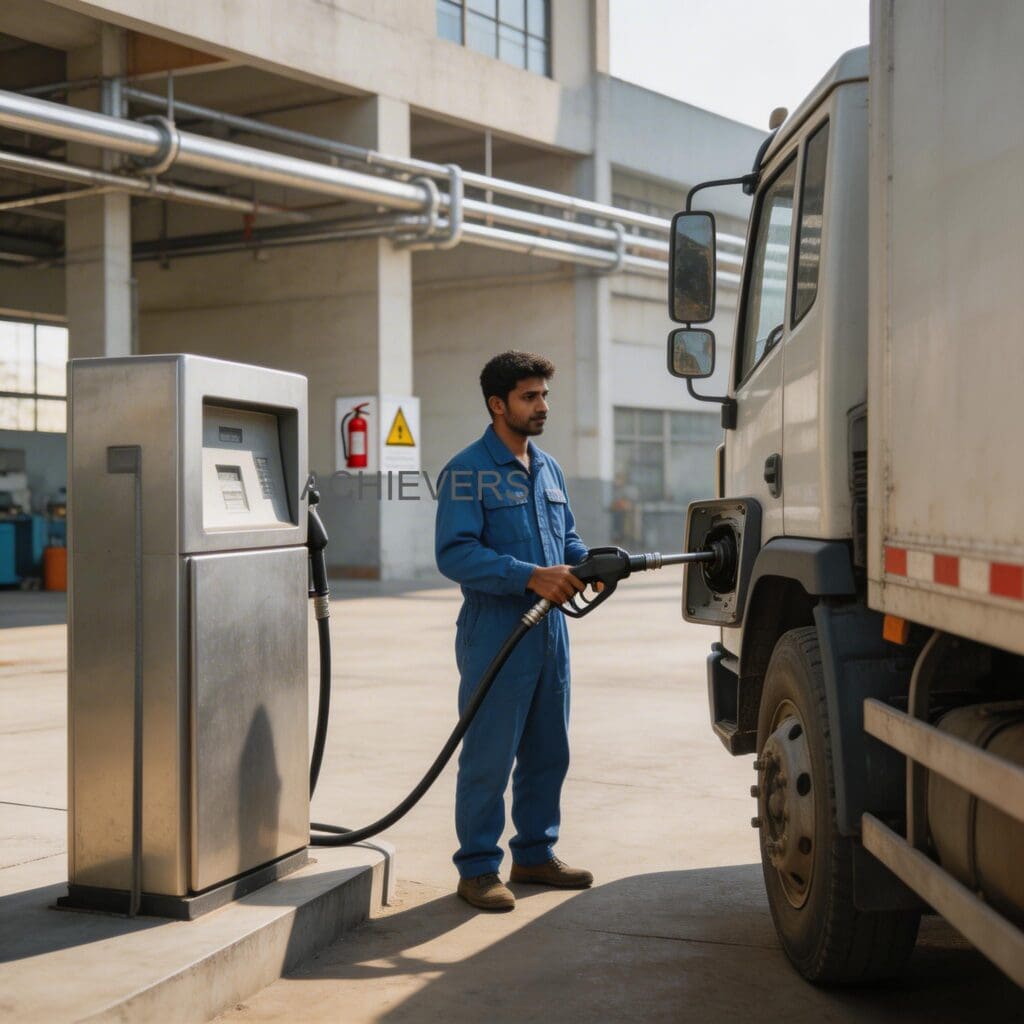
FAQ
Q: What is the actual accuracy difference between mechanical and electronic diesel dispensers?
A: Both rely on the same underlying oval gear flow meter technology, offering a baseline precision of ±0.5%. However, electronic dispensers allow for micro-adjustments during calibration, making them slightly more precise over time, whereas mechanical gears have fixed ratios and physical wear limits.
Q: Will an electronic dispenser work if the power goes out?
A: No. Electronic dispensers require continuous power (either 12V/24V DC or standard AC) to operate the solenoid valves, display, and pump motor. If your site has frequent blackouts, you need a backup UPS or a purely mechanical system powered by a reliable generator.
Q: How do preset diesel dispenser features actually prevent pilferage?
A: Preset functionality allows the supervisor to authorize a specific volume (e.g., exactly 80 liters). The pump will automatically shut off the nozzle at 80 liters, preventing the operator from secretly dispensing an extra 5 liters into a hidden jerrycan while claiming it went into the truck.
Q: Are these dispensers approved by the Legal Metrology Department in India?
A: Specific models, such as our CE-204 series, are built to standard petroleum pump specifications and carry metrology approval by the Government of India, making them legal for commercial and highly regulated industrial use.
Q: How often do I need to clean the internal filters?
A: Given the high particulate matter often found in Indian diesel supplies, the large capacity reusable filters should be inspected and cleaned every 30 days, or immediately if you notice a drop below the standard 60 L/Min flow rate.
Q: Can I use a diesel dispenser for biodiesel or heavy oils?
A: Yes, these dispensers handle biodiesel effortlessly. However, for highly viscous heavy oils, you should look into dedicated pumping setups paired with an industrial Oil Flow Meter designed specifically for higher viscosity indices.
Q: Why does the dispenser include an auto shut-off nozzle?
A: The auto shut-off nozzle senses when the fuel in the tank reaches the tip of the spout and mechanically clicks off the flow. This prevents catastrophic environmental spills and wasted fuel during high-speed tank topping operations.
Upgrading your site's fuel management infrastructure requires exact alignment with your operational realities. Contact our technical team today with your required flow rate, daily dispensing volume, and site conditions, and we will engineer the exact dispensing solution to eliminate fuel shrinkage at your plant.